





Saucrobotys
Saucrobotys
The Saucrobotys is a unique insect known for its colorful wings and playful nature. It flits around gardens and fields, bringing joy to those who spot it!
Habitat: Gardens and fields
The Saucrobotys is a striking insect with iridescent green and copper wings that shimmer in sunlight. It has a slender, elongated body and a notably long, coiled proboscis used for feeding. Its large, compound eyes are a deep, captivating blue.
Category
InsectsRarity
Common
Danger
1/5 · Very low
Snaps
Be the first to snap!
A Saucrobotys larva can spend weeks munching leaves before transforming into a pupa.
Some Saucrobotys species are known to migrate hundreds of miles to find new feeding grounds.
Their eggs are often laid singly on the underside of host plant leaves, perfectly hidden.
They use tiny hairs on their legs to taste flowers, deciding which ones have the best nectar!
Saucrobotys has an extra-long proboscis that helps them reach nectar deep inside tubular flowers where other insects cannot.
Saucrobotys can beat its wings incredibly fast, allowing them to hover perfectly still in the air while feeding from flowers.
Saucrobotys has wing patterns that blend seamlessly with mottled leaves and bark, making them incredibly difficult to spot when resting.
Adult Saucrobotys drink sweet nectar and help flowers grow by spreading pollen.
Age differences: Larvae are primarily folivores, feeding on specific plant leaves before pupating.

Helianthus annuus
Helps spread pollen for seed production.
Araneus diadematus
A common prey item when caught in spider webs.

Quercus alba
Larvae feed on its leaves for growth and development.
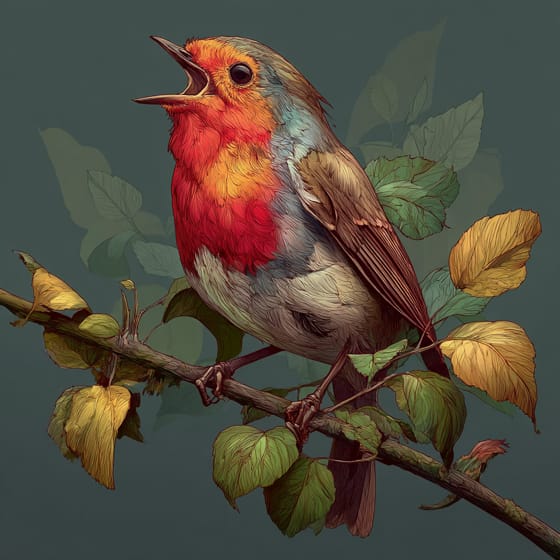
Turdus migratorius
Often hunted by insectivorous birds, especially in mornings.
Social animals live in organized groups, cooperating for survival benefits such as foraging, defense, and raising offspring.
Aerial creatures spend a significant portion of their lives airborne, utilizing flight for various activities such as hunting, migration, or nesting.
Colorful describes organisms or objects displaying a wide range of bright and distinct colors.
This trait characterizes organisms whose diet consists entirely or primarily of plant material.

Describes plants that are particularly attractive and beneficial to a wide range of pollinating organisms.

Diurnal animals are primarily active during daylight hours, typically resting or sleeping at night.

Describes organisms that transfer pollen, enabling the fertilization and reproduction of plants.
No aliases listed yet.
Danger
1/5 · Very low
Always watch insects from a distance and don't touch them, as they can be delicate.
The easiest way to identify Saucrobotys is to use the Snappit nature identifier app.
35-55 mm
18-28 mm
45-75 days
8-15 km/h
Adult Saucrobotys drink sweet nectar and help flowers grow by spreading pollen.
Gardens and fields
Foraging
Zoom in to split clusters and explore where this object has been snapped.
Recent snaps will appear here as new observations are added.
Take the discovery with you
Snap it with Snappit to identify it, learn what makes it special, and add the discovery to your collection.







.jpg&width=800)



