Brush-Legged Spiders
schizocosa
Brush-Legged Spiders are clever little hunters that use their speed to catch prey. They have beautiful patterns on their legs which help them blend into their surroundings!
Habitat: Brush-Legged Spiders live in forests, grasslands, and gardens.
The Brush-Legged Spiders typically have a stocky, hairy, grey-brown body with long, powerful legs often marked with dark bands. Their front legs may appear thicker due to dense bristles. This coloration helps them blend seamlessly with leaf litter and soil.
Category
InvertebrateRarity
Common
Danger
1/5 · Very low
Snaps
Be the first to snap!
Instead of traditional silk webs, some species build silk 'retreats' for safety!
Mother brush-legged spiders carry their precious egg sacs with them everywhere!
Some species use complex leg movements and vibrations to 'talk' to other spiders!
They don't spin webs to catch food; they are active hunters!
Brush-Legged Spiders can detect subtle ground vibrations through special leg hairs that help them locate prey and mates.
Brush-Legged Spiders has mottled grey-brown coloration that helps them blend perfectly into leaf litter and soil, hiding from predators.
Brush-Legged Spiders can sprint incredibly fast for short distances to ambush prey or escape danger.
These quick hunters chase down small insects and other invertebrates to eat.

Gryllus pennsylvanicus
A primary prey item for many brush-legged spiders.
Sorex cinereus
Shrews often hunt and consume ground-dwelling spiders.
Anolis carolinensis
Lizards are common predators of small spiders in their habitat.
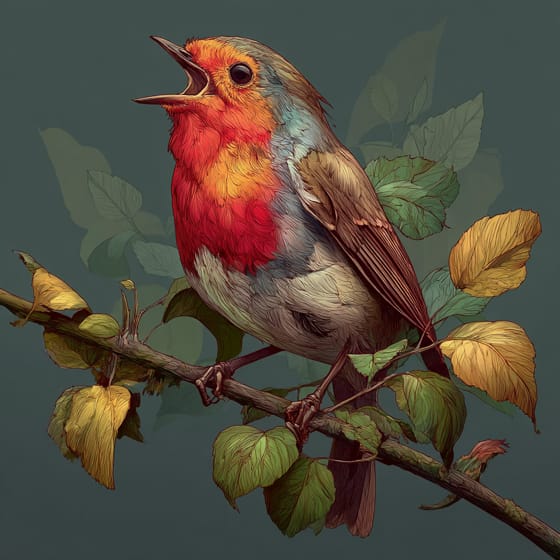
Turdus migratorius
Birds frequently forage for invertebrates, including spiders, on the ground.
Solitary animals live alone for most of their lives, only interacting with others for mating or parental care.
Camouflaged describes organisms that possess coloring or patterns that allow them to blend into their environment.
Forest habitats are terrestrial environments dominated by dense tree cover, supporting a high diversity of plant and animal life.
This trait identifies organisms whose diet consists entirely or primarily of animal tissue.

Nocturnal animals are primarily active during the nighttime hours, typically resting or sleeping during the day.
Danger
1/5 · Very low
No special safety notes yet.
The easiest way to identify Brush-Legged Spiders is to use the Snappit nature identifier app.
5 mm
These quick hunters chase down small insects and other invertebrates to eat.
Brush-Legged Spiders live in forests, grasslands, and gardens.
Pursuit
8
8
2
Zoom in to split clusters and explore where this object has been snapped.
Recent snaps will appear here as new observations are added.
Take the discovery with you
Snap it with Snappit to identify it, learn what makes it special, and add the discovery to your collection.