


Lobster
Homarus americanus
Lobsters are fascinating creatures found in the ocean. They have hard shells that protect their bodies and strong claws for catching food and defending themselves.
Habitat: Marine
The Lobster has a hard, segmented exoskeleton that ranges from dark blue-green to reddish-brown, often with mottled patterns. It possesses two large, unequal claws—one for crushing and one for cutting—and ten walking legs. Long antennae help it sense its surroundings.
Category
InvertebrateRarity
Common
Danger
2/5 · Low
Snaps
Be the first to snap!
A female lobster can carry her eggs tucked under her tail for nearly a year before they hatch!
Its brain is located in its throat, which is a very unusual place for an animal's brain!
Lobsters can walk both forwards and backwards, helping them navigate tricky ocean floors!
Lobsters have blue blood because it uses copper, not iron, to carry oxygen through its body!
Lobster can regrow lost claws or legs over several molts, which helps them survive attacks from predators.
Lobster has two specialized claws, one for crushing and one for cutting, helping them open hard shells for food.
Lobster has tiny hairs on its legs and antennae that 'taste' chemicals in water, helping find food and mates.
Lobster sheds its hard exoskeleton to grow bigger, which helps them increase in size throughout their lives.
Lobsters are opportunistic eaters that scavenge the seabed for various small animals and decaying matter.
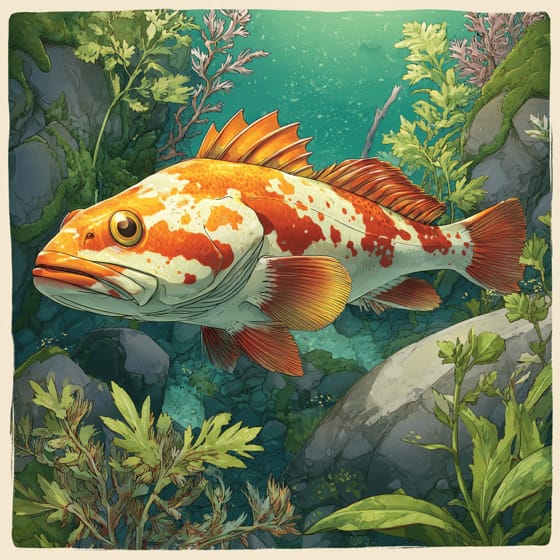
Gadus morhua
Adult cod prey on young lobsters in their habitat.
Anarhichas lupus
Large wolfish are known predators of adult and juvenile lobsters.
Cancer borealis
Lobsters actively hunt crabs, especially smaller or molting individuals.
Homo sapiens
Humans fish for lobsters, making them a popular seafood.
Camouflaged describes organisms that possess coloring or patterns that allow them to blend into their environment.
Ancient refers to organisms, objects, or geological formations that have existed for an extremely long period.
Possessing sharp, pointed projections or spines on the body or surface.
Coastal habitats are dynamic environments located along the interface between land and sea, influenced by tides, waves, and saltwater.

Armored describes animals protected by a hard, external covering or shell for defense.

Natural refers to organisms, materials, or phenomena existing or produced by nature, not artificially created.

Regenerative organisms possess the ability to regrow lost or damaged body parts, tissues, or organs.
Danger
2/5 · Low
Avoid touching lobsters in the wild as they can pinch with their claws. Always observe them from a safe distance.
The easiest way to identify Lobster is to use the Snappit nature identifier app.
50 cm
1 kg
50 years
5 km/h
Lobsters are opportunistic eaters that scavenge the seabed for various small animals and decaying matter.
Marine
Scavenging
Zoom in to split clusters and explore where this object has been snapped.
Recent snaps will appear here as new observations are added.

Connecticut, US
You might spot Beluga Whale, African Penguin, and Sea Lion.
View guide →

California, US
You might spot Pacific Hairy Hermit Crab, Sea Urchin, and Sea Cucumber.
View guide →

Kentucky, US
You might spot American Alligator, Penguin, and Great White Shark.
View guide →

Massachusetts, US
You might spot Crab, Lobster, and Horseshoe Crab.
View guide →
Take the discovery with you
Snap it with Snappit to identify it, learn what makes it special, and add the discovery to your collection.