





Buff-crested Bustard
Lophotis gindiana
The Buff-crested Bustard is a large, colorful bird with a fluffy crest on its head. It loves to roam in open grasslands and is known for its unique dance during mating season!
Habitat: Grasslands
The Buff-crested Bustard has a striking buff-orange crest on its head and a black belly contrasting with its grey-brown back. Its face and neck are greyish, making its distinctive head plume stand out. The females are generally paler than the males.
Category
BirdsRarity
Common
Danger
1/5 · Very low
Snaps
Be the first to snap!
Bustards are among the heaviest flying birds on Earth, though they prefer running!
Females lay their camouflaged eggs directly on the ground, not in a nest.
Male bustards inflate their throat feathers to make loud booming calls!
This bird often gets its water by eating juicy plants and morning dew.
Buff-crested Bustard has mottled brown plumage that helps them camouflage perfectly in dry grasslands.
Buff-crested Bustard can run extremely fast on strong legs because that helps them escape from predators.
Buff-crested Bustard males can raise and fan their vibrant crest that helps them attract a mate.
An omnivore eating insects, seeds, fruits, and small creatures it finds on the ground.
Aquila rapax
Juveniles are prey.
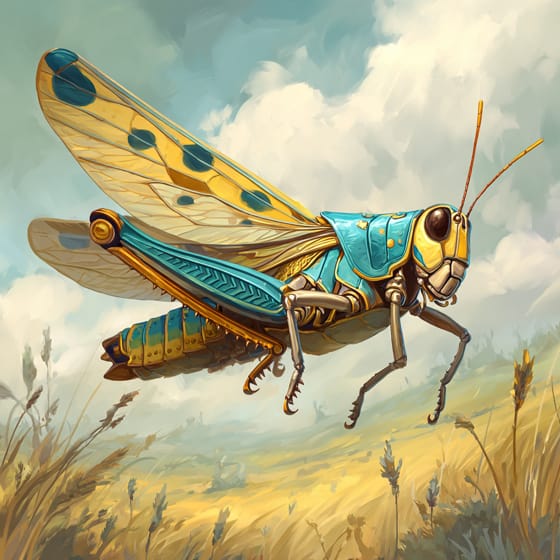
Locusta migratoria
Feeds on these insects.
Acacia tortilis
Consumes its seeds.
Crested describes animals possessing a prominent tuft of feathers, hair, or skin on their head.
Social animals live in organized groups, cooperating for survival benefits such as foraging, defense, and raising offspring.
Colorful describes organisms or objects displaying a wide range of bright and distinct colors.
Grassland habitats are terrestrial biomes dominated by grasses and herbaceous plants, supporting a variety of grazing animals.

This trait identifies organisms whose diet primarily consists of insects and other small invertebrates.

Diurnal animals are primarily active during daylight hours, typically resting or sleeping at night.

This trait identifies organisms that exhibit exceptional swiftness in movement for hunting, escape, or travel.
No aliases listed yet.
Danger
1/5 · Very low
Always watch birds from a distance and don't try to touch them.
The easiest way to identify Buff-crested Bustard is to use the Snappit nature identifier app.
50-60 cm
100-120 cm
1.5-2.2 kg
10-15 years
35 km/h
An omnivore eating insects, seeds, fruits, and small creatures it finds on the ground.
Grasslands
Zoom in to split clusters and explore where this object has been snapped.
Recent snaps will appear here as new observations are added.
Take the discovery with you
Snap it with Snappit to identify it, learn what makes it special, and add the discovery to your collection.




.jpg&width=800)









