





buffalo-bur
Solanum rostratum
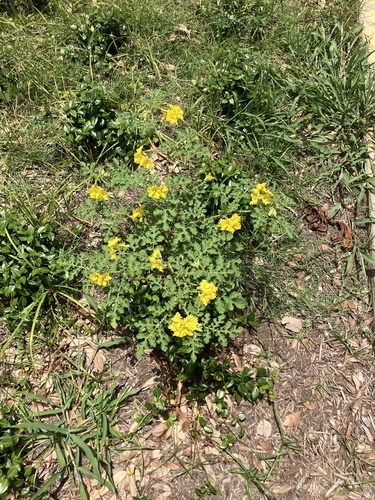
Buffalo-bur is a prickly plant with bright yellow flowers that bloom in the summer. Its spiky leaves help protect it from hungry animals. This plant is often found in sunny places and can grow in tough conditions.
Habitat: Grasslands
The buffalo-bur is a spiny plant with deeply lobed leaves and bright yellow, star-shaped flowers. Its stems are densely covered in sharp, yellowish spines, and it produces distinctive globe-shaped, bur-like fruits encased in spiny calyces.
Category
PlantsRarity
Common
Danger
2/5 · Low
Snaps
7
Buffalo-bur is so good at growing, it's considered a successful weed worldwide!
Each dried, spiky bur fruit can hide hundreds of tiny seeds inside.
Native Americans historically used parts of this plant for traditional medicine.
This spiky plant is surprisingly a wild cousin of the potato and tomato!
Buffalo-bur has incredibly sharp spines covering its stems and leaves, helping it defend against hungry herbivores.
Its bur-like fruits cling to passing animals, allowing the buffalo-bur to cleverly spread its seeds far and wide.
This plant produces solanine toxins, making it unappetizing and mildly harmful to animals that try to eat it.
Apis mellifera
Collects nectar and pollen.
Bombus impatiens
Buzz-pollinates for pollen.
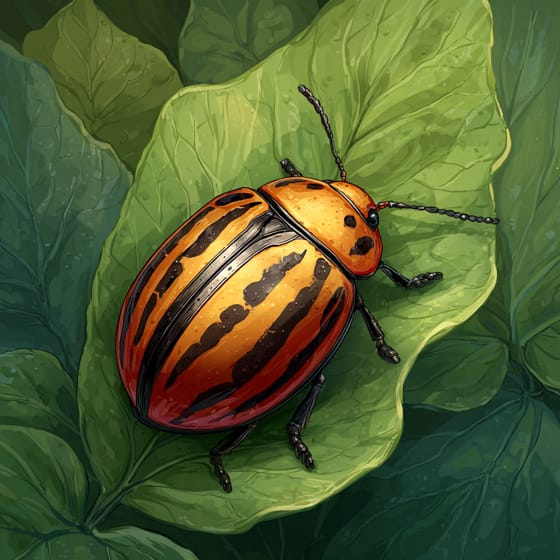
Leptinotarsa decemlineata
Larvae may feed on leaves.
Ornamental plants are cultivated primarily for their aesthetic appeal, enhancing landscapes and gardens with their attractive foliage, flowers, or form.
Summer blooming plants produce their flowers during the summer season, often providing vibrant color when many other plants have finished.
Medicinal plants possess chemical compounds that can be used for therapeutic purposes to treat illnesses or maintain health.
Drought-tolerant plants can survive and flourish in conditions with limited water availability.

Grassland habitats are terrestrial biomes dominated by grasses and herbaceous plants, supporting a variety of grazing animals.

Describes plants that are particularly attractive and beneficial to a wide range of pollinating organisms.

Possessing sharp, pointed projections or spines on the body or surface.
No aliases listed yet.
Danger
2/5 · Low
Be careful around Buffalo-bur because its spines can poke you!
The easiest way to identify buffalo-bur is to use the Snappit nature identifier app.
15-75 cm
30-60 cm
2-3 cm
Summer to Fall
No
Moderate
Annual
Zoom in to split clusters and explore where this object has been snapped.
Jun 1, 2026
Cameron Park ZooPhoto attribution
(c) Melissa Mullins, some rights reserved (CC BY)
License: CC BY 4.0 ↗
Image may be shown cropped inside the card frame.

Texas, US
You might spot Silverleaf Nightshade and Green Comet Milkweed.
View guide →

Texas, US
You might spot Question Mark, Buttonbush, and Pomegranate.
View guide →

Texas, US
You might spot African Elephant, Reticulated Giraffe, and African Lion.
View guide →

Iowa, US
You might spot Guelder-Rose, Prickly Cucumber, and Bluegill.
View guide →

Texas, US
You might spot Pipevine Swallowtail, Texas Spiny Lizard, and Queen.
View guide →
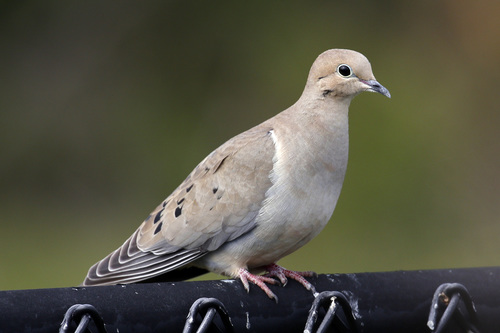
South Dakota, US
You might spot Mourning Dove, Vulture, and Woodhouse's Toad.
View guide →
Take the discovery with you
Snap it with Snappit to identify it, learn what makes it special, and add the discovery to your collection.









.jpg&width=800)



_001.jpg&width=800)




