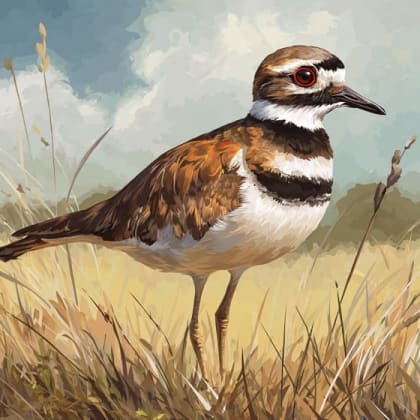





Killdeer

McClellan Creek National Grassland offers a refreshing escape in the Texas Panhandle, encompassing approximately 1,449 acres of diverse landscapes around Lake McClellan.
McClellan Creek National Grassland offers a refreshing escape in the Texas Panhandle, encompassing approximately 1,449 acres of diverse landscapes around Lake McClellan. This scenic area provides a unique blend of rolling golden hills, grasslands, woodlands, and marsh habitats, making it a vital ecological haven. It's a popular destination for those seeking tranquility and a variety of recreational activities amidst a rich natural setting.
Visitors can explore a vibrant ecosystem home to numerous wildlife species, including white-tailed deer, mule deer, pronghorn, Rio Grande turkeys, coyotes, beavers, and bobcats. The cool waters of Lake McClellan, when full, attract a wide array of birds, making it a prime spot for birdwatching, with sightings of songbirds, various owl species, birds of prey, ducks, and geese. Anglers can enjoy fishing for bluegill, channel catfish, largemouth bass, and white crappie.
This grassland stands as a testament to natural recovery, having largely rebounded from the devastating Interstate-40 wildfire in 2006. It offers a memorable experience for nature enthusiasts, photographers, and adventurers, providing opportunities for hiking, fishing, ATV riding, and wildlife photography. The contrasting beauty of the lake against the grassland's expanse creates a picturesque backdrop for any visit. Be ready to snap and learn! Get the Snappit app to identify any nature species you find here.
McClellan Creek National Grassland has a notable history rooted in the challenging era of the Dust Bowl. The land, badly eroded during the 1930s, was purchased by the Department of the Interior under the Bankhead-Jones Farm Tenant Act with the goal of restoring it to its natural state. These rehabilitated lands were then transferred to the U.S. Forest Service in 1954 and officially established as national grasslands in 1960. The grassland and its central feature, Lake McClellan, are named after Army surveyor George B. McClellan. The lake itself was formed years later by a dam built across McClellan Creek. In February 2006, the entire grassland was affected by the 750,000-acre Interstate-40 fire, which resulted in the loss of most trees; however, the area has since recovered well.
Hiking: Enjoy scenic trails that cut through woodlands around Lake McClellan.
* **Fishing: ** Catch bluegill, channel catfish, largemouth bass, and white crappie in Lake McClellan (when water levels permit).
* **Boating: ** Kayaking and canoeing are popular on the lake, with two boat ramps available.
* **ATV Riding: ** Explore approximately 10 miles of ATV trails located just outside the main campground.
* **Birdwatching: ** Spot a wide variety of bird species, including songbirds, owls, birds of prey, ducks, and geese.
* **Wildlife Viewing: ** Look for white-tailed deer, mule deer, pronghorn, Rio Grande turkeys, coyotes, beavers, bobcats, rabbits, and squirrels.
* **Camping & Picnicking: ** Utilize the Lake McClellan Recreation Area Campground, which offers RV and tent sites, hot showers, and flush toilets.
Lake McClellan's water levels can fluctuate significantly and it has been known to dry up seasonally; it's advisable to call the Black Kettle Ranger District for current conditions before planning water-based activities. Summer visits should include early morning activities to avoid intense Texas heat, and always carry plenty of water. Winters can see increased waterfowl activity as ducks and geese seek refuge.
The Lake McClellan Recreation Area Campground offers ADA-accessible restrooms and camping facilities. Roads leading to the campground are paved, although some internal roads or trails may not be.
The scenic Lake McClellan, diverse hiking and ATV trails, and the opportunity for abundant birdwatching are primary attractions.
Each card links to a full Explore page with photos, traits, and fun facts.
Start with the big picture, then zoom in to explore individual wildlife observations around this place.
Always call the Black Kettle Ranger District ahead of time to check current Lake McClellan water levels, especially if planning fishing or boating activities.
Bring ample water, sunscreen, and headwear, particularly during the hot Texas summers, and consider hiking in the early morning to avoid the heat.
Pack binoculars and a field guide to make the most of the excellent birdwatching opportunities around Lake McClellan and the surrounding habitats.
If bringing pets, be aware of thorny sandspurs that cover much of the area, which can injure paws.
Use a GPS or Google Maps for navigation once you exit the interstate, as campground signage can be limited.
For camping, no reservations are accepted, so arrive early in the day to secure a spot, especially during peak seasons.
May 26, 2026
May 19, 2026
May 19, 2026
May 19, 2026
May 3, 2026

Maryland, US
You might spot White-Tailed Deer and Eastern Gray Squirrel.
View guide →
.jpg)
District of Columbia, US
You might spot Eastern Gray Squirrel, Duck, and House Sparrow.
View guide →

Illinois, US
You might spot American Robin, Canada Goose, and House Sparrow.
View guide →

Virginia, US
You might spot Spotted Lanternfly and Northern Cardinal.
View guide →
Take the discovery with you
Identify the wildlife you spot, learn as you go, and keep a collection of the adventure.









.jpg&width=800)