





bulbous cress
Cardamine bulbosa
Bulbous cress is a small plant with pretty white flowers. It grows in wet places and is often found near streams and ponds. Its leaves are shaped like little hearts!
Habitat: Wetlands
The bulbous cress has delicate white, four-petaled flowers clustered at the top of an erect green stem. Its basal leaves are rounded, while stem leaves are deeply lobed. It often grows in dense patches, creating bright white carpets.
Category
PlantsRarity
Common
Danger
1/5 · Very low
Snaps
2
Believe it or not, this plant is related to cabbage and broccoli.
Each flower has four petals arranged in a cross shape, a feature of its plant family.
Its crunchy stems taste a bit like horseradish when eaten raw!
Tiny hairs on its leaves help it shed excess water in wet environments.
Bulbous cress stores water and nutrients in its underground bulb-like base, helping it survive dry spells.
Bulbous cress thrives in waterlogged, muddy soils where many other plants would struggle to grow.
Bulbous cress grows new plants from tiny bulblets on its roots, quickly spreading in wet areas.
Apis mellifera
Visits flowers for nectar and pollen.

Bombus impatiens
Actively collects pollen from its blossoms.
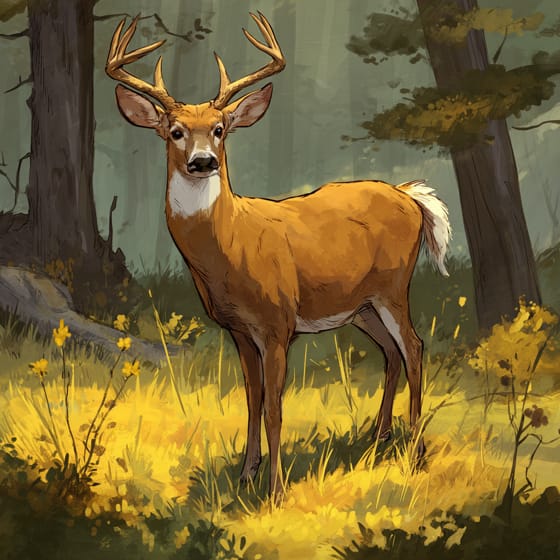
Odocoileus virginianus
Browses on its succulent leaves and stems.
.JPG&width=800)
Sylvilagus floridanus
Grazes on its leaves and tender shoots.
Flowering plants are any plants that produce flowers as part of their reproductive cycle.
Spring blooming plants produce their flowers during the spring season, often signifying the end of winter and the start of new growth.
Fragrant flowers emit a pleasant aroma, often to attract pollinators or for defense.
Edible plants are those parts of a plant that are considered safe for human consumption.

Describes plants that are particularly attractive and beneficial to a wide range of pollinating organisms.

Rapid growing plants exhibit accelerated growth rates, quickly increasing in size and biomass within a short period.

This habitat trait identifies species found in wetlands, which are areas of land saturated with water, either permanently or seasonally, including marshes, swamps, and bogs.
No aliases listed yet.
Danger
1/5 · Very low
Always check with an adult before touching or tasting any plants.
The easiest way to identify bulbous cress is to use the Snappit nature identifier app.
15-60 cm
15-30 cm
0.5-1 cm
Spring to early summer
Yes
None
Perennial
Zoom in to split clusters and explore where this object has been snapped.
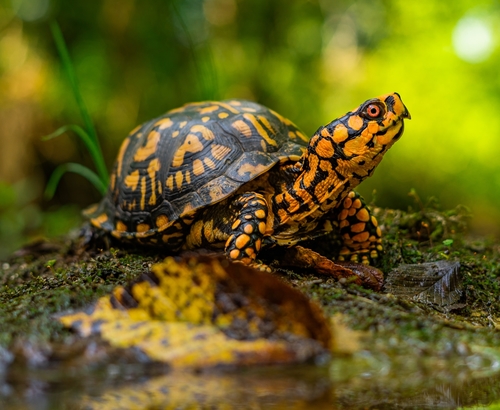
Kentucky, US
You might spot Eastern Box Turtle, Rainbow Darter, and Green Salamander.
View guide →

Illinois, US
You might spot Common Eastern Bumble Bee, Baltimore Oriole, and Monarch.
View guide →
Take the discovery with you
Snap it with Snappit to identify it, learn what makes it special, and add the discovery to your collection.








.jpg&width=800)


_001.jpg&width=800)



