_em_um_fim_de_tarde_em_Bag%C3%A9-RS.jpg&width=800)





Crape-myrtle
Lagerstroemia indica
Crape-myrtle is a colorful shrub that blooms with pretty flowers in summer. It can grow tall and is often seen in gardens, adding beauty with its vibrant colors.
Habitat: Urban areas
The Crape-myrtle has beautiful, crinkled flowers resembling crepe paper, often in vibrant shades of pink, purple, red, or white. Its smooth, mottled bark peels away to reveal lighter colors beneath, making it stand out in gardens.
Category
PlantsRarity
Common
Danger
1/5 · Very low
Snaps
6
After blooming, it grows small, round seed capsules that look like tiny berries.
In autumn, many crape-myrtle leaves turn fiery red, orange, or yellow!
It is often called the 'Lilac of the South' because of its beautiful summer blooms!
Its crinkled petals look just like colorful crepe paper, giving it its name!
Crape-myrtle can bloom with bright, crinkly flowers to attract many helpful insects for pollination.
Crape-myrtle has bark that peels off, helping it shed old skin and pesky insects.
Crape-myrtle can thrive in very hot and sunny places, soaking up lots of energy for vibrant blooms.
Apis mellifera
collects nectar from its showy flowers
Tinocallis kahawaluokalani
sucks sap from leaves, causing honeydew
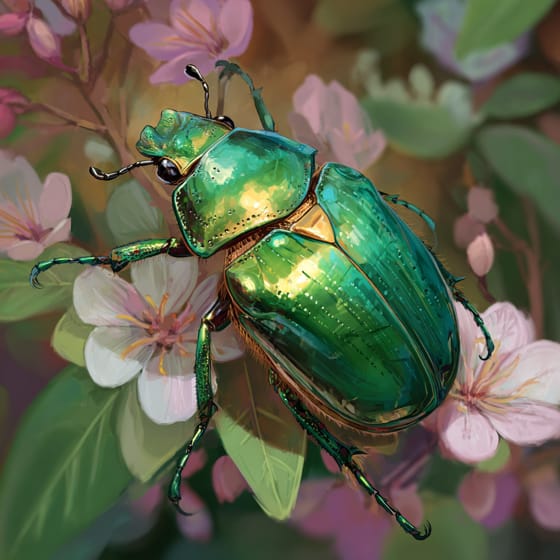
Popillia japonica
chews holes in its leaves and petals
Bombus impatiens
gathers pollen and nectar for its colony
Deciduous plants periodically shed all their leaves, typically during autumn or dry seasons.
Flowering plants are any plants that produce flowers as part of their reproductive cycle.
Ornamental plants are cultivated primarily for their aesthetic appeal, enhancing landscapes and gardens with their attractive foliage, flowers, or form.
A shrub is a woody plant smaller than a tree, typically with multiple stems branching from or near the ground.

Summer blooming plants produce their flowers during the summer season, often providing vibrant color when many other plants have finished.

Fragrant flowers emit a pleasant aroma, often to attract pollinators or for defense.

Colorful describes organisms or objects displaying a wide range of bright and distinct colors.

Rapid growing plants exhibit accelerated growth rates, quickly increasing in size and biomass within a short period.

This habitat trait indicates species that can coexist with humans in urban and suburban environments, utilizing man-made structures and green spaces.
Danger
1/5 · Very low
Always be gentle around plants and don't eat any parts without asking an adult.
The easiest way to identify Crape-myrtle is to use the Snappit nature identifier app.
300-900 cm
200-600 cm
2-3 cm
Summer to early Fall
No
None
Perennial
Zoom in to split clusters and explore where this object has been snapped.

Texas, US
You might spot Question Mark, Buttonbush, and Pomegranate.
View guide →

Alabama, US
You might spot Banded Tussock Moth and Southern Pearly-Eye.
View guide →

Alabama, US
You might spot Glassy-Winged Sharpshooter, Anole, and Common Whitetail.
View guide →

Georgia, US
You might spot Northern Cardinal, Southern Toad, and Brown Thrasher.
View guide →

North Carolina, US
You might spot American Alligator, Sturgeon, and Striped Bass.
View guide →
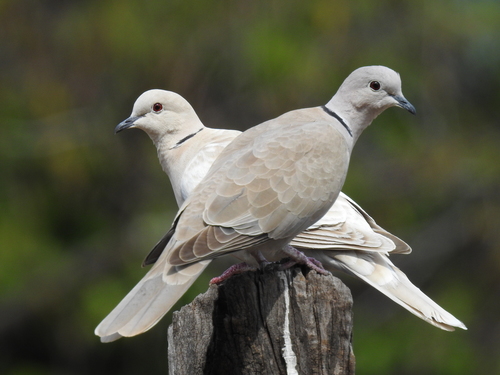
Tennessee, US
You might spot Eurasian Collared-Dove and Ringless Honey Mushroom.
View guide →
Take the discovery with you
Snap it with Snappit to identify it, learn what makes it special, and add the discovery to your collection.







.jpg&width=800)


_001.jpg&width=800)




