





Leichtlin's Mariposa Lily
Calochortus leichtlinii
Leichtlin's Mariposa Lily is a beautiful flower with bright yellow petals that look like little cups. It blooms in spring and can be found in meadows and grasslands, adding color to the landscape.
Habitat: Grasslands
The Leichtlin's Mariposa Lily has striking cup-shaped flowers, typically brilliant white or pale yellow, with a distinctive purplish-brown crescent mark and fine hairs at the base of each of its three large petals. Its slender stem supports a single flower or a small cluster, rising above grass-like leaves.
Category
PlantsRarity
Common
Danger
1/5 · Very low
Snaps
4
Each petal has a fuzzy patch near its base, which helps protect the flower's reproductive parts!
Mariposa means 'butterfly' in Spanish, perfectly describing these delicate, colorful blooms.
Native Americans once ate its sweet, potato-like bulbs, dug up from the ground!
This lily can grow in very dry, rocky soil where many other beautiful flowers struggle to survive!
Leichtlin's Mariposa Lily has an underground bulb that stores water and food, helping it survive dry summers and grow back year after year.
The flower's dark markings and hairs act like a landing strip, guiding busy bees straight to its sweet nectar for pollination.
It can go dormant during hot, dry periods, allowing it to conserve energy and reappear only when conditions are right.
Apis mellifera
Collects nectar and pollen, aiding in reproduction.
Bombus occidentalis
Buzz-pollinates the flower, helping spread pollen.
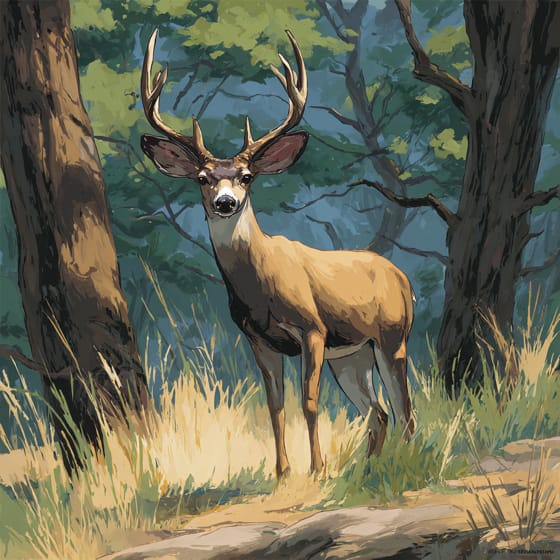
Odocoileus hemionus
Occasionally browses on the leaves and flowers.
Flowering plants are any plants that produce flowers as part of their reproductive cycle.
Spring blooming plants produce their flowers during the spring season, often signifying the end of winter and the start of new growth.
Fragrant flowers emit a pleasant aroma, often to attract pollinators or for defense.
Colorful describes organisms or objects displaying a wide range of bright and distinct colors.

Grassland habitats are terrestrial biomes dominated by grasses and herbaceous plants, supporting a variety of grazing animals.

Describes plants that are particularly attractive and beneficial to a wide range of pollinating organisms.

Endangered status indicates a species is at a very high risk of extinction in the wild in the near future.
No aliases listed yet.
Danger
1/5 · Very low
Always look but don't touch flowers in nature to keep them safe.
The easiest way to identify Leichtlin's Mariposa Lily is to use the Snappit nature identifier app.
15-60 cm
3-5 cm
Late spring to early summer
Yes
None
Perennial
Insect
Zoom in to split clusters and explore where this object has been snapped.

California, US
You might spot American Pika, Yellow-Bellied Marmot, and Shasta Blue.
View guide →

California, US
You might spot Snowplant and Pretty Jacob's-Ladder.
View guide →

California, US
You might spot Black Bear, Western Fence Lizard, and Woodland Pinedrops.
View guide →
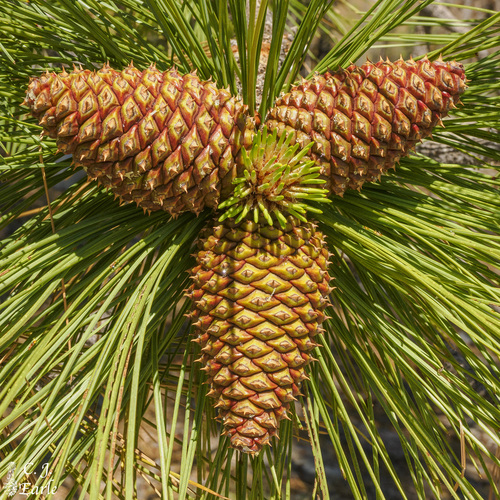
California, US
You might spot Jeffrey Pine and Pandora Pinemoth.
View guide →
Take the discovery with you
Snap it with Snappit to identify it, learn what makes it special, and add the discovery to your collection.








.jpg&width=800)


_001.jpg&width=800)




