





Burnished Brass
Diachrysia chrysitis
The Burnished Brass is a beautiful moth with shiny, golden-brown wings. It loves to fly around gardens and fields, especially at night when it’s cooler.
Habitat: Gardens and fields
The Burnished Brass is a distinctive moth with shimmering, metallic coppery-golden forewings that appear burnished. These brilliant wings are contrasted by darker brown patches and a frilly edge, making it stand out from plainer moths.
Category
InsectsRarity
Common
Danger
1/5 · Very low
Snaps
Be the first to snap!
Even though it looks like metal, its wings are soft and covered in thousands of tiny scales!
Its scientific name "chrysitis" actually means "golden" because of its shiny wings!
Some moths can hear bats with special "ears," but this one relies on its quick flight!
The caterpillars love to munch on tough plants like nettles and thistles for energy.
Burnished Brass can sip sweet nectar with its long proboscis, providing energy to fly and find a mate.
Burnished Brass has metallic-looking wings that help it blend with sun-dappled leaves, avoiding predators.
Burnished Brass can fly swiftly at dusk and night, allowing it to seek out flowers and lay eggs safely.
Adult Burnished Brass sips nectar from flowers, while its caterpillars munch on leaves.
Age differences: Larvae eat plant leaves, while adults feed on nectar from flowers.
Pipistrellus pipistrellus
Moths like Burnished Brass are a food source for these bats.
Urtica dioica
Its caterpillars munch on nettle leaves to grow and develop.

Cirsium arvense
Larvae feed on thistle leaves, and adults drink its nectar.
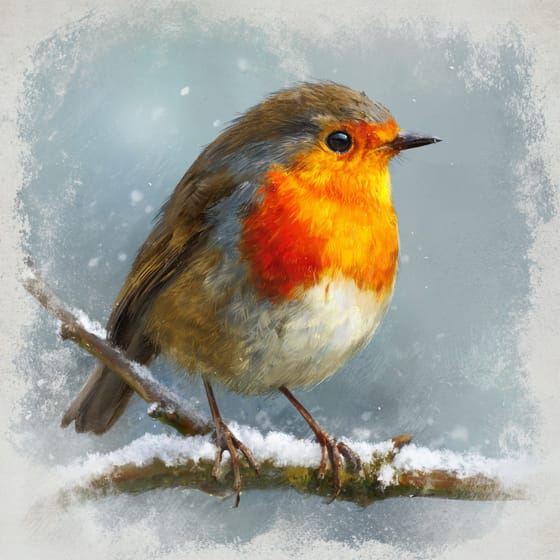
Erithacus rubecula
Often preyed upon by insect-eating birds during the day.
Solitary animals live alone for most of their lives, only interacting with others for mating or parental care.
Camouflaged describes organisms that possess coloring or patterns that allow them to blend into their environment.
Colorful describes organisms or objects displaying a wide range of bright and distinct colors.
This trait characterizes organisms whose diet consists entirely or primarily of plant material.

Describes plants that are particularly attractive and beneficial to a wide range of pollinating organisms.

Nocturnal animals are primarily active during the nighttime hours, typically resting or sleeping during the day.

Describes organisms that transfer pollen, enabling the fertilization and reproduction of plants.
No aliases listed yet.
Danger
1/5 · Very low
Moths are usually safe to observe, but it's best not to touch them.
The easiest way to identify Burnished Brass is to use the Snappit nature identifier app.
35-42 mm
15-20 mm
20-30 days
8 km/h
Adult Burnished Brass sips nectar from flowers, while its caterpillars munch on leaves.
Gardens and fields
Foraging
Zoom in to split clusters and explore where this object has been snapped.
Recent snaps will appear here as new observations are added.
Take the discovery with you
Snap it with Snappit to identify it, learn what makes it special, and add the discovery to your collection.








.jpg&width=800)



