





Butler's Garter Snake
Thamnophis butleri
Butler's Garter Snake is a small, friendly snake that loves to slither through grass and wetlands. They have beautiful stripes and are often found near water, making them special in their habitat.
Habitat: Wetlands
The Butler's Garter Snake is a small, slender snake featuring three prominent light stripes (often yellow or orange) on a dark brown or black body. Its unique visual identifier is that the lateral stripes are located on the second and third scale rows, lower than most garter snakes.
Category
ReptilesRarity
Common
Danger
1/5 · Very low
Snaps
1
Baby Butler's Garter Snakes are born ready to hunt, no need for parental care!
Look closely! Their side stripes are unusually low on their body, making them unique.
They are one of the smallest garter snakes, fitting in tight spaces easily!
They can be found in isolated pockets of wet prairies, surviving despite habitat loss.
Butler's Garter Snake has unique striped patterns that help them disappear into tall grass and marshy plants.
Butler's Garter Snake can give birth to live young, which helps them protect their babies from predators.
Butler's Garter Snake can release a musky, smelly liquid when threatened, which helps them deter predators.
Butler's Garter Snake can hunt small prey in shallow water, helping them find food in wet habitats.
This snake is a carnivore that enjoys a meal of worms, leeches, amphibians, and small fish.
Lumbricus terrestris
Primary food source for the snake.
Lithobates pipiens
Preys on these common amphibians.
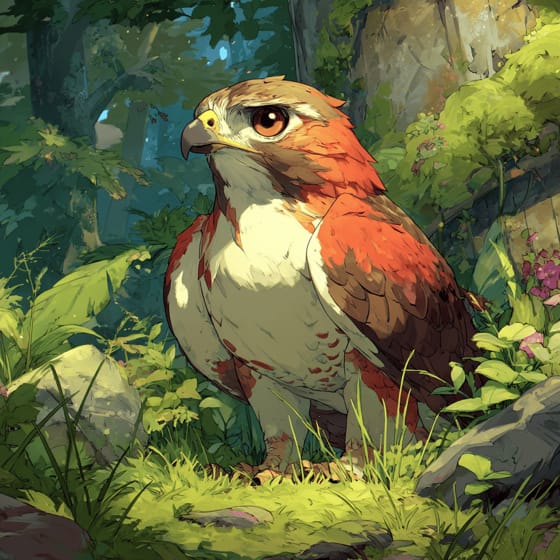
Buteo jamaicensis
A common avian predator.
Mephitis mephitis
Can prey on snakes and their young.
Marked with parallel bands or lines of color.
Solitary animals live alone for most of their lives, only interacting with others for mating or parental care.
Camouflaged describes organisms that possess coloring or patterns that allow them to blend into their environment.
This habitat trait identifies species found in wetlands, which are areas of land saturated with water, either permanently or seasonally, including marshes, swamps, and bogs.

This trait identifies organisms whose diet consists entirely or primarily of animal tissue.

Diurnal animals are primarily active during daylight hours, typically resting or sleeping at night.

This trait identifies organisms that exhibit exceptional swiftness in movement for hunting, escape, or travel.

Threatened status denotes a species likely to become endangered in the foreseeable future without effective conservation interventions.
No aliases listed yet.
Danger
1/5 · Very low
If you see a snake, it's best to watch from a distance and not touch it.
The easiest way to identify Butler's Garter Snake is to use the Snappit nature identifier app.
38-51 cm
0.05-0.15 kg
6-10 years
7 km/h
This snake is a carnivore that enjoys a meal of worms, leeches, amphibians, and small fish.
2 km/h
Wetlands
Zoom in to split clusters and explore where this object has been snapped.

Wisconsin, US
You might spot Common Eastern Bumble Bee, Red-Belted Bumble Bee, and Duck.
View guide →

Michigan, US
You might spot Eastern Gray Squirrel, Eastern Foxsnake, and Monarch.
View guide →

Michigan, US
You might spot House Sparrow, Eastern Gray Squirrel, and Rock Pigeon.
View guide →

Michigan, US
You might spot Eastern Gray Squirrel, House Sparrow, and Rock Pigeon.
View guide →
Take the discovery with you
Snap it with Snappit to identify it, learn what makes it special, and add the discovery to your collection.














