





Caesar weed
Urena lobata
Caesar weed is a tall plant with big green leaves and pretty yellow flowers. It grows quickly and can be found in many places, making it easy to spot in nature.
Habitat: Urban areas
The Caesar weed has fuzzy, heart-shaped to lobed leaves and small, delicate pink or purple flowers, often with five petals. Its stems are somewhat woody, and it stands upright, sometimes forming dense thickets. The small, round fruits are covered in sticky barbs.
Category
PlantsRarity
Common
Danger
2/5 · Low
Snaps
2
It's sometimes called 'Congo jute' because its fibers resemble true jute!
Its burr-like seeds are so sticky, they can travel for miles on animals!
People in some countries use its strong fibers to make sacks and ropes!
The young leaves of Caesar weed are sometimes cooked and eaten like spinach!
Caesar weed has barbed seeds that cling tightly to fur and clothes, helping it spread far and wide.
Caesar weed develops strong, fibrous stems, allowing it to stand tall and compete effectively for sunlight.
Caesar weed can quickly establish itself and grow rapidly in disturbed soil, giving it an advantage over other plants.
Apis mellifera
Bees visit its flowers for nectar and pollen.
Sylepta derogata
Its larvae feed on the leaves of Caesar weed.
Bos taurus
Its barbed seeds attach to cattle for dispersal.
Flowering plants are any plants that produce flowers as part of their reproductive cycle.
Summer blooming plants produce their flowers during the summer season, often providing vibrant color when many other plants have finished.
Medicinal plants possess chemical compounds that can be used for therapeutic purposes to treat illnesses or maintain health.
Colorful describes organisms or objects displaying a wide range of bright and distinct colors.

Edible plants are those parts of a plant that are considered safe for human consumption.

Describes plants that are particularly attractive and beneficial to a wide range of pollinating organisms.

Rapid growing plants exhibit accelerated growth rates, quickly increasing in size and biomass within a short period.

This habitat trait indicates species that can coexist with humans in urban and suburban environments, utilizing man-made structures and green spaces.

Invasive species are non-native organisms that cause harm to the environment, economy, or human health.
Danger
2/5 · Low
Don't touch plants without asking an adult, as some can be irritating.
The easiest way to identify Caesar weed is to use the Snappit nature identifier app.
30-200 cm
30-100 cm
1-2 cm
Year-round
Yes
None
Perennial
Zoom in to split clusters and explore where this object has been snapped.
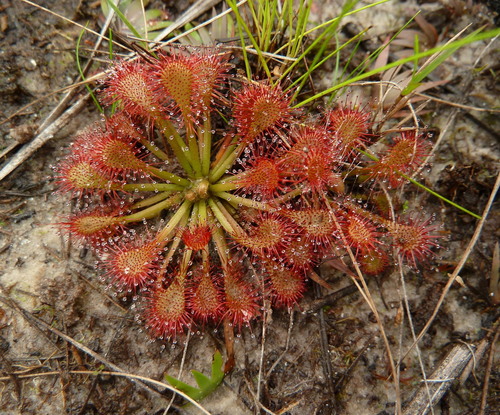
Florida, US
You might spot Pink Sundew, Drooping Forked Fern, and Netted Pawpaw.
View guide →

Florida, US
You might spot Peters's Rock Agama, Brown Anole, and American Alligator.
View guide →

Florida, US
You might spot Resurrection Fern, Spanish Moss, and Brown Anole.
View guide →
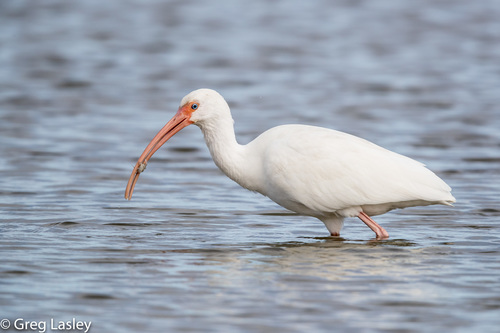
Florida, US
You might spot White Ibis, White Beggarticks, and Brown Anole.
View guide →
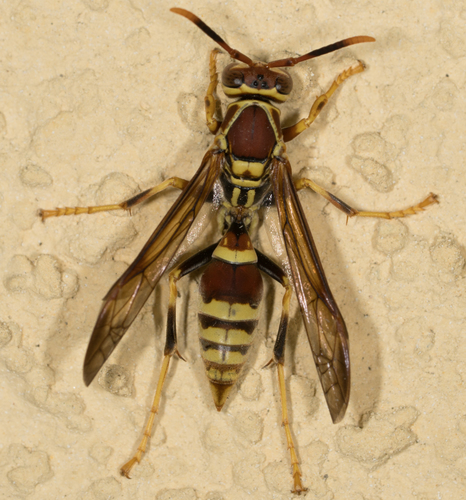
Florida, US
You might spot Guinea Paper Wasp and Fishbone Fern.
View guide →
Take the discovery with you
Snap it with Snappit to identify it, learn what makes it special, and add the discovery to your collection.








.jpg&width=800)


_001.jpg&width=800)



