





California Hedge Nettle
Stachys bullata
California Hedge Nettle is a lovely plant with soft leaves and pretty purple flowers. It grows in sunny places and is great for attracting butterflies and bees!
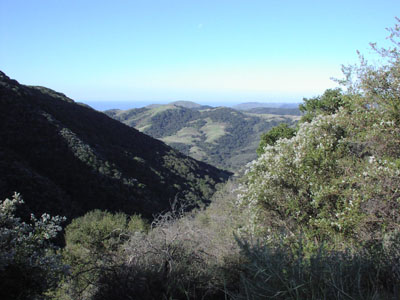
Habitat: Grasslands
The California Hedge Nettle has distinctive square stems and wrinkled, heart-shaped leaves, giving it a bumpy texture. Its hooded, two-lipped flowers range from pinkish-purple to magenta, blooming in clusters along the stem. It stands out with its slightly fuzzy appearance.
Category
PlantsRarity
Common
Danger
1/5 · Very low
Snaps
2
It grows wild only in coastal California, making it a very special local plant!
Its square stems are a secret clue it belongs to the mint family, even without a minty smell!
The leaves have a bubbly, crinkly texture, almost like a tiny quilted blanket!
This plant was a traditional remedy for bee stings and sore throats for some native groups.
California Hedge Nettle has tiny hairs on its stems and leaves that help protect it from hungry insects and reduce water loss on sunny days.
California Hedge Nettle can grow underground runners called rhizomes, helping it spread and form new patches of plants in its preferred habitat.
California Hedge Nettle produces aromatic oils that help deter certain pests and grazing animals from munching on its leaves.
Apis mellifera
visits flowers for nectar and pollen
Bombus vosnesenskii
efficiently pollinates its hooded flowers
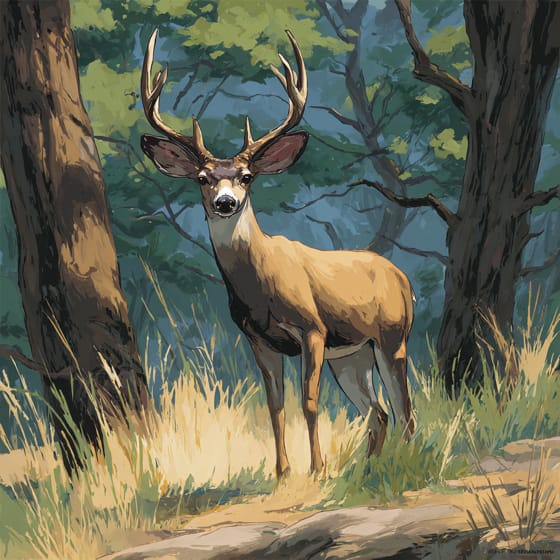
Odocoileus hemionus
sometimes browses its leaves and stems
Aromatic plants produce and emit fragrant volatile organic compounds, often for defense or to attract pollinators.
Flowering plants are any plants that produce flowers as part of their reproductive cycle.
Summer blooming plants produce their flowers during the summer season, often providing vibrant color when many other plants have finished.
Fragrant flowers emit a pleasant aroma, often to attract pollinators or for defense.

Edible plants are those parts of a plant that are considered safe for human consumption.

Grassland habitats are terrestrial biomes dominated by grasses and herbaceous plants, supporting a variety of grazing animals.

Describes plants that are particularly attractive and beneficial to a wide range of pollinating organisms.
No aliases listed yet.
Danger
1/5 · Very low
Always look but don't touch plants unless you know they are safe!
The easiest way to identify California Hedge Nettle is to use the Snappit nature identifier app.
30-100 cm
30-60 cm
1-2.5 cm
Spring to early summer
Yes
None
Perennial
Zoom in to split clusters and explore where this object has been snapped.
Take the discovery with you
Snap it with Snappit to identify it, learn what makes it special, and add the discovery to your collection.









.jpg&width=800)


_001.jpg&width=800)



