.jpg&width=800)




Candelabra Bush
Senna alata
The Candelabra Bush is a bright and beautiful plant with tall, candle-like flowers. It grows in warm places and can be found in gardens and parks, adding color to the landscape.
Habitat: Urban areas
The Candelabra Bush is a large, upright shrub with striking, bright yellow flowers arranged in tall, candle-like spikes. Its large, dark green leaves are compound and can grow up to two feet long, giving it a lush, tropical appearance.
Category
PlantsRarity
Common
Danger
1/5 · Very low
Snaps
3
It's also called 'Ringworm Bush' because its leaves were once used to treat skin conditions!
Its tall flower spikes look like lit candles, giving it its unique name!
Some cultures plant this bush near homes, believing it brings good luck and protection!
The scientific name, Senna alata, means 'winged senna' because of its unique seed pods!
Candelabra Bush can fold its large leaves together at night, helping it save water and protect itself from cold or harsh sun.
Candelabra Bush has compounds in its leaves and flowers that have been used traditionally for their medicinal properties.
Candelabra Bush can grow very quickly, sometimes several feet in a single season, allowing it to quickly establish itself.
Apis mellifera
Gathers nectar and pollen from flowers.
_female_underside.jpg&width=800)
Phoebis sennae
Larvae munch on its leaves for food.
Rhizobium leguminosarum
Fixes nitrogen in its roots to help it grow.
Flowering plants are any plants that produce flowers as part of their reproductive cycle.
Describes organisms capable of converting atmospheric nitrogen into compounds usable by plants.
A shrub is a woody plant smaller than a tree, typically with multiple stems branching from or near the ground.
Summer blooming plants produce their flowers during the summer season, often providing vibrant color when many other plants have finished.

Fragrant flowers emit a pleasant aroma, often to attract pollinators or for defense.

Colorful describes organisms or objects displaying a wide range of bright and distinct colors.

Describes plants that are particularly attractive and beneficial to a wide range of pollinating organisms.

This habitat trait indicates species that can coexist with humans in urban and suburban environments, utilizing man-made structures and green spaces.
Danger
1/5 · Very low
Always be careful around plants and don't touch without asking an adult.
The easiest way to identify Candelabra Bush is to use the Snappit nature identifier app.
150-400 cm
100-250 cm
2-3 cm
Late Summer to Fall (can be year-round in tropics)
No
Mild
Perennial
Zoom in to split clusters and explore where this object has been snapped.

Florida, US
You might spot White Ibis, Green Iguana, and Black-Crowned Night Heron.
View guide →

Texas, US
You might spot Honey Mesquite, Anacua, and Alamo Vine.
View guide →

Texas, US
You might spot Mediterranean House Gecko and Gulf Coast Toad.
View guide →
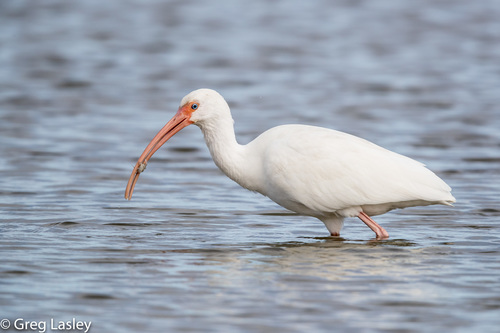
Florida, US
You might spot White Ibis, White Beggarticks, and Brown Anole.
View guide →
Take the discovery with you
Snap it with Snappit to identify it, learn what makes it special, and add the discovery to your collection.








.jpg&width=800)


_001.jpg&width=800)




