.jpg&width=800)





Canada Jay
Perisoreus canadensis
The Canada Jay is a friendly bird that loves to hang out in the forests. It has soft gray feathers and a cheerful call that sounds like it's saying 'cheer-up!'
Habitat: Forests
The Canada Jay has soft grey plumage, a white forehead, and a distinctive black patch on its hindcrown. Its fluffy appearance and relatively short bill help it stand out from other jays. The underparts are a lighter grey, almost white.
Category
BirdsRarity
Common
Danger
1/5 · Very low
Snaps
15
Canada Jays are known to follow people silently, appearing suddenly to snatch food right from your hand!
Indigenous peoples considered the Canada Jay a friendly spirit, sometimes called a "Whiskey Jack."
These clever birds can spend hours watching animals to swoop in and steal their food finds!
They're so tough, they start nesting and laying eggs while it's still snowing!
Canada Jay can store thousands of food items using sticky saliva that helps them survive harsh, cold winters.
Canada Jay has an amazing memory that helps them recall thousands of hidden food caches for many months.
Canada Jay can fluff up its dense feathers that creates an insulating air layer to stay warm in freezing temperatures.
A versatile eater, Canada Jays feast on insects, berries, fungi, and sometimes even small animals.
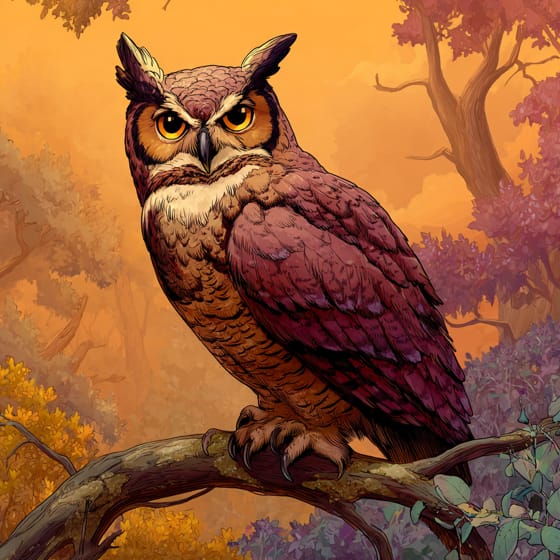
Bubo virginianus
Often prey for this nocturnal forest hunter.
Microtus pennsylvanicus
Preys on small rodents when opportunities arise.
Picea mariana
Relies on these trees for nesting sites and food caches.
Bombus occidentalis
Feeds on various insects, including bees and wasps.
Feathered describes animals, primarily birds, possessing a covering of feathers.
Social animals live in organized groups, cooperating for survival benefits such as foraging, defense, and raising offspring.
This trait identifies organisms whose diet includes both plant and animal matter.
Forest habitats are terrestrial environments dominated by dense tree cover, supporting a high diversity of plant and animal life.

Diurnal animals are primarily active during daylight hours, typically resting or sleeping at night.
Danger
1/5 · Very low
Enjoy watching birds from a distance, and don't try to touch them.
The easiest way to identify Canada Jay is to use the Snappit nature identifier app.
25-29 cm
35-45 cm
0.06-0.08 kg
8-12 years
45 km/h
A versatile eater, Canada Jays feast on insects, berries, fungi, and sometimes even small animals.
Forests
Zoom in to split clusters and explore where this object has been snapped.

Oregon, US
You might spot White Pasqueflower and Clark's Nutcracker.
View guide →

British Columbia, CA
You might spot White Pasqueflower and Columbian Ground Squirrel.
View guide →

British Columbia, CA
You might spot White Twisted-Stalk and Western Skunk Cabbage.
View guide →

Montana, US
You might spot Field Crescent, Thimbleberry, and Baker's Mariposa Lily.
View guide →

Colorado, US
You might spot Black-Billed Magpie, Fireweed, and Common Cowparsnip.
View guide →

Colorado, US
You might spot Great Basin Bristlecone Pine and Fireweed.
View guide →
Take the discovery with you
Snap it with Snappit to identify it, learn what makes it special, and add the discovery to your collection.




.jpg&width=800)








