





Surf Scoter
Melanitta perspicillata
The Surf Scoter is a colorful duck that loves to dive for food in the ocean. With its bold black and white feathers, it looks very unique and is often seen in coastal areas during winter.
Habitat: Coastal areas
The Surf Scoter is a large sea duck. Males are striking all-black with two crisp white patches on the nape and forehead, complemented by a massive, multi-colored bill. Females are dusky brown with subtle pale patches on their cheeks. Their unique bill shape makes them visually distinctive.
Category
BirdsRarity
Common
Danger
1/5 · Very low
Snaps
9
Ducklings are super independent, leaving the nest almost immediately after hatching.
Their scientific name *perspicillata* means 'spectacled', referring to eye markings!
They form huge flocks, called rafts, of thousands on the ocean during winter!
They nest surprisingly far inland, in the boreal forests near freshwater ponds.
Surf Scoters can dive over 60 feet deep because of their dense bones and powerful legs that propel them, finding food on the ocean floor.
Surf Scoters have a strong, specially adapted bill that helps them crush the hard shells of clams and mussels, making them easy to eat.
Surf Scoters have special glands near their eyes that help them drink saltwater, removing the extra salt from their bodies.
These sea ducks mostly dive to the bottom of the ocean to gobble up tasty clams and mussels!
Age differences: Young ducklings eat more insect larvae and small crustaceans, changing to shellfish as they grow.
Mytilus edulis
A key food source in coastal habitats.
Mya arenaria
Dug from the seafloor, providing essential energy.
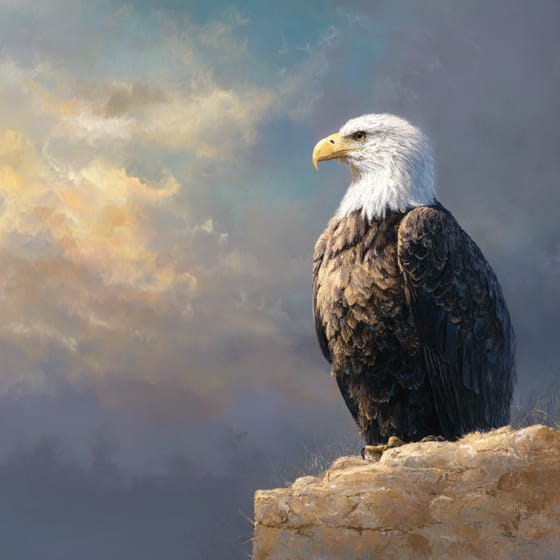
Haliaeetus leucocephalus
Preys on vulnerable adults or juveniles.
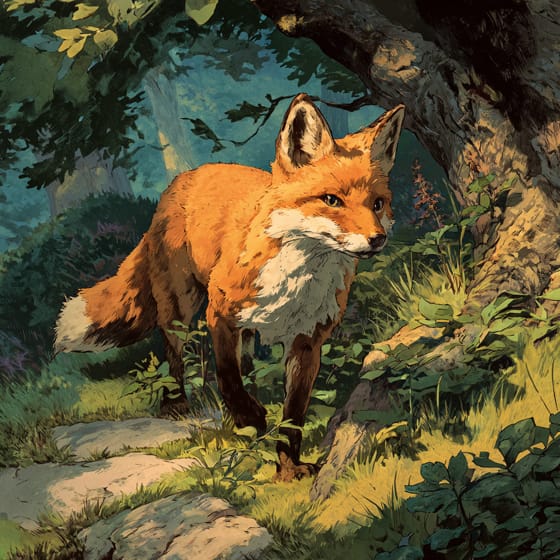
Vulpes vulpes
Often targets nests, eggs, and flightless ducklings.
Feathered describes animals, primarily birds, possessing a covering of feathers.
Social animals live in organized groups, cooperating for survival benefits such as foraging, defense, and raising offspring.
Aerial creatures spend a significant portion of their lives airborne, utilizing flight for various activities such as hunting, migration, or nesting.
Colorful describes organisms or objects displaying a wide range of bright and distinct colors.

Filter feeders obtain nutrients by straining suspended food particles and small organisms from water.

Coastal habitats are dynamic environments located along the interface between land and sea, influenced by tides, waves, and saltwater.

This trait identifies organisms whose diet consists entirely or primarily of animal tissue.

This trait identifies organisms that exhibit exceptional swiftness in movement for hunting, escape, or travel.

Marine habitats encompass all saltwater environments of the Earth's oceans, supporting an immense diversity of aquatic life.

Migratory animals undertake seasonal movements from one region to another, typically in response to changes in climate or food availability.
No aliases listed yet.
Danger
1/5 · Very low
Always watch birds from a distance and do not try to touch them.
The easiest way to identify Surf Scoter is to use the Snappit nature identifier app.
45-56 cm
76-85 cm
0.85-1.2 kg
9-20 years
80 km/h
These sea ducks mostly dive to the bottom of the ocean to gobble up tasty clams and mussels!
Coastal areas
Zoom in to split clusters and explore where this object has been snapped.

California, US
You might spot Snowy Egret, Great Blue Heron, and Willet.
View guide →

US
You might spot Bald Eagle, Common Raven, and Salmonberry.
View guide →

Washington, US
You might spot Rock Pigeon, American Crow, and Pigeon Guillemot.
View guide →

Washington, US
You might spot Surf Scoter, Horned Grebe, and Salmonberry.
View guide →

Washington, US
You might spot Rock Pigeon, Pigeon Guillemot, and American Crow.
View guide →

California, US
You might spot Brown Pelican, Snowy Plover, and Sanderling.
View guide →
Take the discovery with you
Snap it with Snappit to identify it, learn what makes it special, and add the discovery to your collection.




.jpg&width=800)







