





Bell's Vireo
Vireo bellii
Bell's Vireo is a small, cheerful bird that loves to sing! It has a soft yellow belly and olive-green back, making it blend in with the leaves. You can often find it flitting around in bushes and trees.
Habitat: Shrublands
The Bell's Vireo is a small, plain songbird with dull olive-gray feathers on its back and a whitish belly. It has faint, pale wing bars and a delicate, often broken, white eye-ring, giving it a subtle 'spectacled' look. Its slightly hooked bill is slender and dark.
Category
BirdsRarity
Common
Danger
1/5 · Very low
Snaps
4
Bell's Vireos sometimes unknowingly raise bigger, unrelated cowbird chicks!
Some Bell's Vireos fly over 1,000 miles to find warmer winter homes!
Their tricky song often changes, making it one of the hardest bird calls to learn!
They act like tiny pest controllers, munching on hundreds of garden insects!
Bell's Vireo can sing a complex, scratchy two-part song, changing its pattern, that helps them claim territory and find a mate.
Bell's Vireo has agile movements that help them glean insects directly from dense leaves and twigs, finding hidden prey.
Bell's Vireo can expertly weave a small, deep cup-shaped nest suspended in a shrub fork, keeping their eggs and chicks safe.
These tiny birds mostly feast on juicy insects they pluck from leaves and branches!
.jpg&width=800)
Molothrus ater
Lays eggs in the vireo's nest.
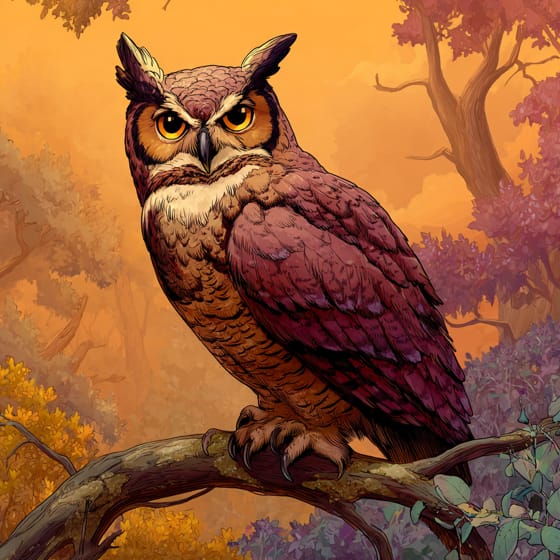
Bubo virginianus
A powerful night hunter.
Quercus berberidifolia
Provides dense nesting spots.
Salix exigua
Common in riparian habitats.
Feathered describes animals, primarily birds, possessing a covering of feathers.
Social animals live in organized groups, cooperating for survival benefits such as foraging, defense, and raising offspring.
Singing animals produce complex vocalizations, often for purposes of attracting mates, defending territory, or communicating within their species.
This trait identifies organisms whose diet primarily consists of insects and other small invertebrates.

Diurnal animals are primarily active during daylight hours, typically resting or sleeping at night.

Describes organisms that transfer pollen, enabling the fertilization and reproduction of plants.
No aliases listed yet.
Danger
1/5 · Very low
Enjoy watching birds from a distance, and don't disturb their nests.
The easiest way to identify Bell's Vireo is to use the Snappit nature identifier app.
11.5-12.5 cm
16-18 cm
0.008-0.01 kg
3-5 years
35 km/h
These tiny birds mostly feast on juicy insects they pluck from leaves and branches!
Shrublands
Zoom in to split clusters and explore where this object has been snapped.

Arizona, US
You might spot Northern Cardinal, Engelmann's Hedgehog Cactus, and Queen.
View guide →

Illinois, US
You might spot Osage-Orange, Cutleaf Teasel, and Red Clover.
View guide →

Arizona, US
You might spot Saguaro and Graham's Nipple Cactus.
View guide →

Texas, US
You might spot Pipevine Swallowtail, Texas Spiny Lizard, and Queen.
View guide →
Take the discovery with you
Snap it with Snappit to identify it, learn what makes it special, and add the discovery to your collection.




.jpg&width=800)









