





Aspen

Discover the world's highest botanical garden, a breathtaking oasis nestled in the Rocky Mountains.
Discover the world's highest botanical garden, a breathtaking oasis nestled in the Rocky Mountains. Situated at 8,200 feet above sea level, the Betty Ford Alpine Gardens offers a unique opportunity to explore a stunning collection of alpine and mountain plants from across the globe, all within a beautiful mountain setting. It stands as a beacon for conservation, education, and the preservation of fragile high-altitude ecosystems, attracting over 200,000 visitors annually.
Wander through diverse themed gardens, including the dramatic Alpine Rock Garden with its impressive 120-foot waterfall, the intricate International Alpine Crevice Garden bursting with cornflower-blue wildflowers, and the temperature-controlled Alpine House showcasing over 200 species of bulbs and greenery from various continents. Families will delight in the interactive Children's Garden, while the Aspen Grove provides a picturesque display of Colorado's state flower, the white-and-blue columbine. The gardens are home to approximately 3,000 alpine and native plant species, including nationally recognized collections of Colorado's alpine flora, gentian, and penstemon.
A visit to Betty Ford Alpine Gardens is an inspiring journey that connects you with the resilience and beauty of alpine plants and the critical importance of their conservation. Whether you're a horticulture enthusiast, a nature lover, or simply seeking a serene escape in the heart of Vail, the gardens offer a peaceful retreat and a deeper understanding of the natural world. Its dedication to protecting the alpine environment through living plant collections, education, and research makes it a truly special and memorable destination. Enhance your adventure: download the Snappit app to identify the local species you encounter.
The Betty Ford Alpine Gardens were founded in 1985 by Vail and Denver horticulturists, driven by a vision to create a permanent home for the fragile alpine world in Vail. The gardens were officially named in 1988 in honor of former First Lady Betty Ford, an avid gardener and frequent visitor to Vail, acknowledging her significant contributions to the community. Over the years, the gardens expanded to include several distinct sections, such as the Alpine Display Garden (1987), Mountain Perennial Garden (1989), Mountain Meditation Garden (1991), and the stunning Alpine Rock Garden (1999) with its signature waterfall. The Children's Garden followed in 2002. Today, Betty Ford Alpine Gardens is recognized as the only botanical garden in North America dedicated to preserving alpine plant species and their associated habitats, and holds the National Colorado Alpine Collection.
Stroll the winding paths, discover over 3,000 plant species, learn about alpine horticulture and conservation, enjoy scenic views of the Gore Range, participate in guided garden tours (summer), and visit the Education Center for interactive displays.
Spring: Delicate early blooms like alpine forget-me-nots and wildflowers emerge as snow melts.
Summer: Peak season for lush greenery and a wide array of colorful flowers including columbines and bluebells. Events like Yoga in the Gardens and Chefs in the Gardens take place.
Autumn: Gardens transform with golden aspens and rich hues of alpine plants.
Winter: Gardens remain open for winter strolls; snowshoeing is popular, with rentals sometimes available.
The gardens are mostly ADA accessible with paved pathways. ADA parking is available. However, some garden paths feature natural uneven rock, and the terrain is sloped. Wheelchairs are not available for rent.
A dramatic landscape featuring high-altitude plants from mountain ranges worldwide, anchored by a magnificent 120-foot waterfall.
Discover unique alpine plants thriving in specialized rock crevices, often displaying vibrant cornflower-blue wildflowers.
A temperature-controlled indoor exhibit showcasing over 200 species of bulbs and greenery from global alpine regions.
Interactive areas like Betty's Market and Discovery Carts designed to engage young visitors with nature.
Each card links to a full Explore page with photos, traits, and fun facts.
Start with the big picture, then zoom in to explore individual wildlife observations around this place.
Wear comfortable shoes suitable for walking on uneven terrain and potential inclines, especially for exploring all sections.
Visit in the early morning or late afternoon during peak season (summer) to avoid crowds and enjoy cooler temperatures and softer light for photography.
Check the Betty Ford Alpine Gardens' event calendar for guided tours, workshops, or seasonal events like Yoga in the Gardens that might enhance your visit.
Consider taking the free in-town Vail bus or parking at the Ford Park Parking Lot or Vail Village Parking Structure, keeping in mind potential fees or walk times.
Bring a camera to capture the diverse alpine flora and stunning mountain backdrops.
Don't miss the Education Center for additional interactive exhibits and information about alpine plant conservation.

Maryland, US
You might spot White-Tailed Deer and Eastern Gray Squirrel.
View guide →
.jpg)
District of Columbia, US
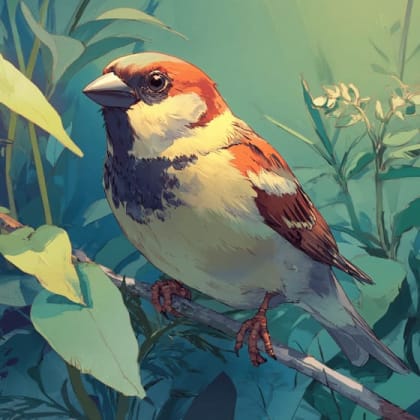
You might spot Eastern Gray Squirrel, Duck, and House Sparrow.
View guide →

Illinois, US
You might spot American Robin, Canada Goose, and House Sparrow.
View guide →

Virginia, US
You might spot Spotted Lanternfly and Northern Cardinal.
View guide →
Take the discovery with you
Identify the wildlife you spot, learn as you go, and keep a collection of the adventure.














.jpg&width=800)




