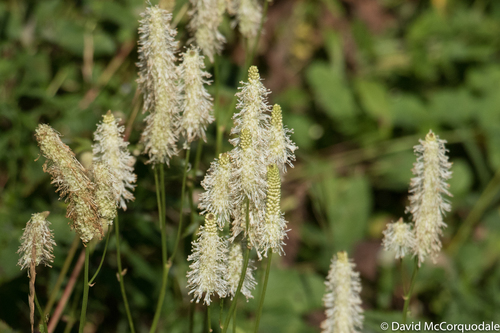


Canadian Burnet
sanguisorba canadensis
Canadian Burnet, Sanguisorba canadensis, is a striking perennial herb native to eastern North America. Known for its distinctive white, bottlebrush-like flower spikes, it brings a unique vertical element to wetland and moist meadow landscapes. This member of the rose family is a significant late-season bloomer, providing crucial nectar and pollen resources for a variety of pollinators as other summer flowers begin to fade. Its robust growth and adaptability to wet conditions make it an important component of riparian and marsh ecosystems, contributing to biodiversity and ecological stability.
Habitat: Found in a variety of moist to wet habitats including wet meadows, fens, marshes, bogs, swamps, and along stream banks.
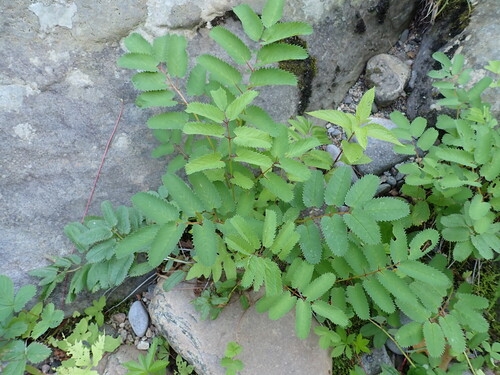
The Canadian Burnet typically grows 0.6 to 2 meters tall, featuring an upright, branched stem. Its leaves are pinnately compound, with numerous toothed leaflets arranged along a central stalk, appearing dark green. The most striking feature is its dense, cylindrical flower spikes, which are pure white and resemble bottlebrushes, ranging from 5 to 15 cm in length and blooming from late summer into fall. These flowers are terminal, appearing at the top of the stems and side branches, creating a frothy, airy appearance.
Category
PlantsRarity
Common
Danger
1/5 · Very low
Snaps
2
Despite its common name, Canadian Burnet is native to a broad range of eastern North America, extending well into the United States.
Its distinctive white, bottlebrush-like flowers bloom in late summer and fall, providing a vital food source for pollinators when many other plants have finished flowering.
The genus name "Sanguisorba" comes from Latin "sanguis" (blood) and "sorbere" (to soak up), referring to its traditional use as a styptic to stop bleeding.
Young leaves of Canadian Burnet are edible and can be added to salads, offering a cucumber-like flavor, while the roots have been used in traditional medicine.
Its late-season white bottlebrush flowers are highly attractive to a wide array of insects, including bees, butterflies, and hoverflies, providing vital nectar and pollen when other food sources become scarce.
Thrives in consistently moist to wet soil conditions, tolerating areas that might be waterlogged for periods, making it a key species in wetland ecosystems.
Spreads via rhizomes, allowing it to form colonies and establish itself firmly in its preferred moist habitats, aiding in soil stabilization and competitive growth.
As an autotroph, Canadian Burnet produces its own food through photosynthesis, converting sunlight, carbon dioxide, and water into sugars for energy. It also absorbs essential minerals and nutrients from the soil.
Apis mellifera
Pollinates flowers, collecting nectar.
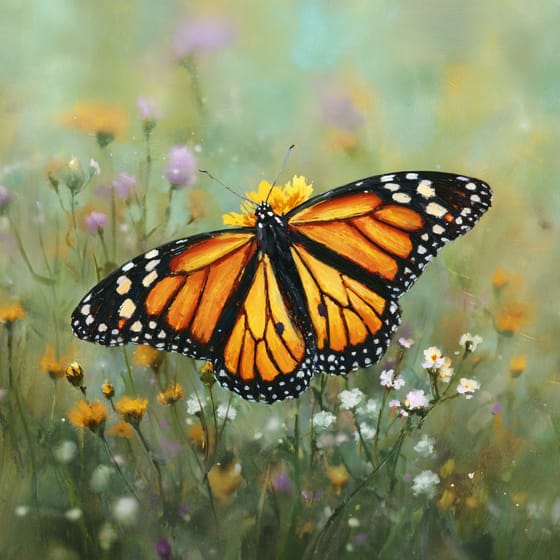
Danaus plexippus
Pollinates flowers, collecting nectar.
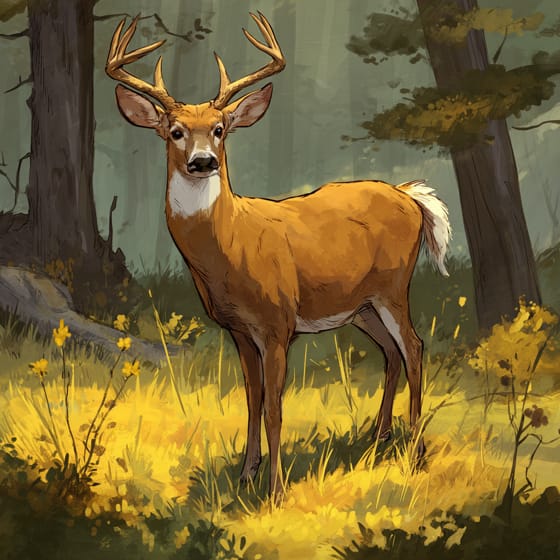
Odocoileus virginianus
Grazes on foliage.

Typha latifolia
Competes for light, water, and nutrients in shared wetland habitats.
No trait badges are assigned for this object yet.
No aliases listed yet.
Collections for this object will appear here as more themes are added.
Danger
1/5 · Very low
No special safety notes yet.
The easiest way to identify Canadian Burnet is to use the Snappit nature identifier app.
60-200 cm
0.1-0.5 kg
3-10 years
As an autotroph, Canadian Burnet produces its own food through photosynthesis, converting sunlight, carbon dioxide, and water into sugars for energy. It also absorbs essential minerals and nutrients from the soil.
Found in a variety of moist to wet habitats including wet meadows, fens, marshes, bogs, swamps, and along stream banks.
Zoom in to split clusters and explore where this object has been snapped.
Jul 4, 2025
Chesterfield GorgePhoto attribution
no rights reserved
License: CC0 1.0 ↗
Image may be shown cropped inside the card frame.
Take the discovery with you
Snap it with Snappit to identify it, learn what makes it special, and add the discovery to your collection.













.jpg&width=800)



_001.jpg&width=800)




