.jpg&width=800)





Carolina Willow
salix caroliniana
The Carolina Willow is a beautiful tree that loves wet places! Its long, slender leaves sway gently in the breeze, making it a favorite spot for birds and critters.
Habitat: Freshwater wetlands, riverbanks, and marshy areas.
The Carolina Willow is a tall shrub or small tree with a rounded crown. It has slender, reddish-brown twigs and bright green, lance-shaped leaves with finely serrated edges. In early spring, it produces fuzzy, yellowish-green catkins.
Category
PlantsRarity
Common
Danger
0/5 · No known danger
Snaps
Be the first to snap!
Its fuzzy catkins aren't one flower, but hundreds of tiny ones packed together!
Some Native Americans used flexible willow branches to weave sturdy baskets!
This fast-growing tree can sometimes add over six feet to its height in just one year!
Willow bark contains a natural pain reliever, like an ancient version of aspirin!
Carolina Willow has incredibly flexible branches that bend easily, helping it survive strong winds and floods.
Carolina Willow can grow very quickly, helping it colonize new or disturbed wet areas fast.
Carolina Willow has extensive root systems that help stabilize soil and prevent erosion near water.
Carolina Willow can bloom early in spring, providing crucial nectar and pollen for early-rising insects.
Apis mellifera
provides early spring nectar and pollen

Castor canadensis
chews bark and uses branches for food
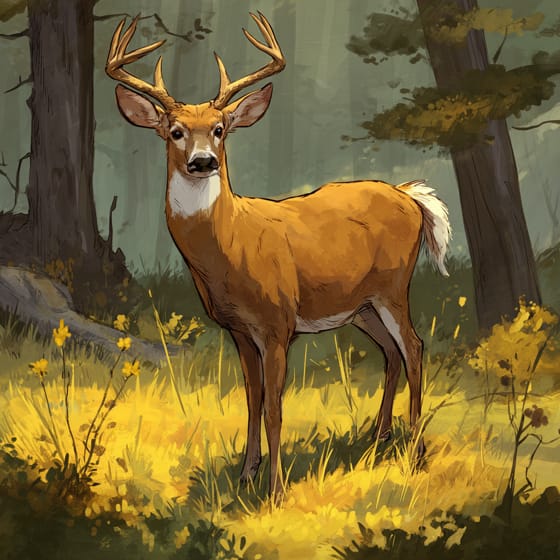
Odocoileus virginianus
browses on its young leaves and twigs
Myiarchus crinitus
builds nests in its branches
Social animals live in organized groups, cooperating for survival benefits such as foraging, defense, and raising offspring.
This trait characterizes organisms whose diet consists entirely or primarily of plant material.
Forest habitats are terrestrial environments dominated by dense tree cover, supporting a high diversity of plant and animal life.
Diurnal animals are primarily active during daylight hours, typically resting or sleeping at night.

Aquatic habitats encompass environments where organisms live predominantly in water, including oceans, rivers, lakes, and wetlands.
Danger
0/5 · No known danger
No special safety notes yet.
The easiest way to identify Carolina Willow is to use the Snappit nature identifier app.
300-1200 cm
300-800 cm
2-7 cm
Early spring
Yes
Mild
Perennial
Zoom in to split clusters and explore where this object has been snapped.
Recent snaps will appear here as new observations are added.
Take the discovery with you
Snap it with Snappit to identify it, learn what makes it special, and add the discovery to your collection.








.jpg&width=800)



_001.jpg&width=800)




