

Canary Islands Chiffchaff
phylloscopus canariensis
The Canary Islands Chiffchaff is a delightful, energetic little songbird endemic to the Canary Islands. Unlike its migratory European relatives, this small passerine is a year-round resident, filling the island woodlands, gardens, and shrublands with its cheerful, rhythmic songs. It is incredibly active, constantly flitting through the canopy and hovering near leaves to snatch tiny insects. Its presence is a constant comfort to locals, who recognize its distinctive, repetitive call that differs noticeably from the common chiffchaff. Despite its small size, it plays a vital role in controlling insect populations across the archipelago's diverse microclimates.
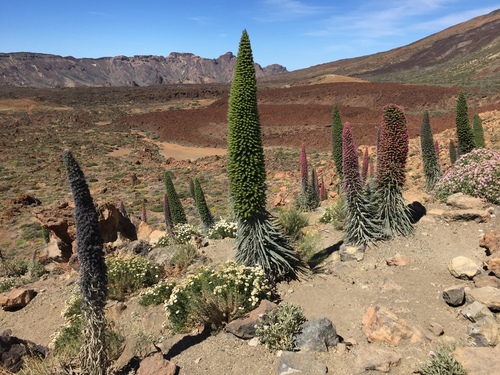
Habitat: Found in a wide range of habitats across the Canary Islands, including laurel forests, pine woodlands, gardens, and cultivated areas from sea level up to high altitudes.
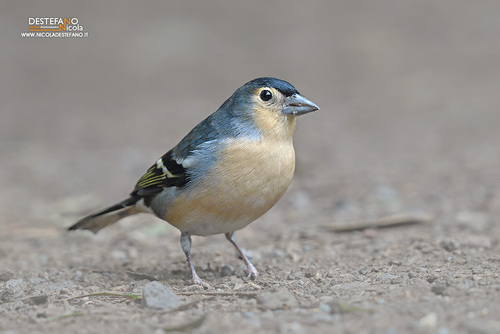
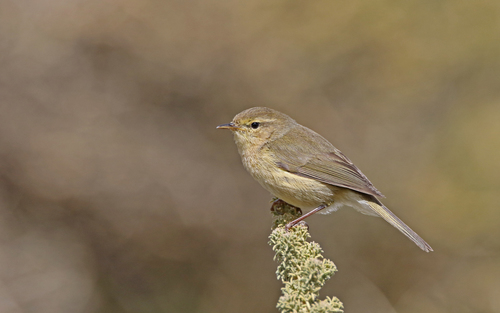
This diminutive bird features olive-brown upperparts and a warm, buff-yellow wash on its breast and flanks. It is characterized by a prominent pale yellowish supercilium (eyebrow stripe) and a dark eye-stripe running through its dark eyes. Its legs are notably dark, often appearing blackish, which helps distinguish it from some other warbler species. It typically measures 10 to 11 cm in length, possessing a compact, rounded body and a thin, pointed bill perfectly adapted for seizing tiny prey.
Category
BirdsRarity
Common
Danger
1/5 · Very low
Snaps
Be the first to snap!
It was once considered a subspecies of the Common Chiffchaff, but genetic, morphological, and vocal differences proved it to be a distinct species.
They occasionally visit exotic flowers in gardens, such as Hibiscus, to feed on nectar, a behavior rarely seen in continental chiffchaffs.
Unlike many European warblers that migrate thousands of miles to Africa, this species remains in the Canary Islands all year.
It excels at picking tiny insects off the undersides of leaves while hovering briefly in mid-air.
While resident to the islands, it undergoes seasonal vertical movements, climbing to higher pine forests in summer and descending to warmer coastal areas in winter.
It has developed a slower, deeper, and more melodious song than its mainland European counterpart, a classic sign of island evolution.
Feeds almost exclusively on small invertebrates, searching foliage, twigs, and flowers meticulously for prey.
Age differences: Nestlings are fed exclusively on soft-bodied insects and caterpillars, transitioning to a wider variety of insects as adults.
Myzus persicae
Preys on small sap-sucking insects found on endemic flora.
Regulus teneriffae
Competes for foraging territory and small insects in the high-altitude pine forests.
Felis catus
Feral and domestic cats pose a significant predatory threat to nests and fledglings close to human settlements.
No trait badges are assigned for this object yet.
No aliases listed yet.
Collections for this object will appear here as more themes are added.
Danger
1/5 · Very low
No special safety notes yet.
Compare the silhouette, bill shape, tail length, wing bars and markings around the eyes. The same small brown bird at your feeder can look quite different in breeding plumage, winter plumage or its first year. Bird Identifier: upload a photo and compare the visible details.
10+ cm
15+ cm
0.006+ kg
2+ years
30 km/h
Feeds almost exclusively on small invertebrates, searching foliage, twigs, and flowers meticulously for prey.
Found in a wide range of habitats across the Canary Islands, including laurel forests, pine woodlands, gardens, and cultivated areas from sea level up to high altitudes.
Zoom in to split clusters and explore where this object has been snapped.
Recent snaps will appear here as new observations are added.
Take the discovery with you
Snap it with Snappit to identify it, learn what makes it special, and add the discovery to your collection.