





Cape Barren Goose
Cereopsis novaehollandiae
The Cape Barren Goose is a unique bird with a funny-looking face and beautiful grey feathers. They are often found waddling around in groups and love to eat grass and seeds.
Habitat: Coastal areas
The Cape Barren Goose is a large, sturdy bird with a grey body, a distinctive black tail, and striking pink legs. Its most unique feature is a bright yellow-green waxy knob, called a cere, on its short black bill, making it easy to identify.
Category
BirdsRarity
Common
Danger
1/5 · Very low
Snaps
Be the first to snap!
Cape Barren Geese prefer to nest on remote islands, sometimes even among penguin colonies!
Their loud call is a deep, pig-like honk, very different from other geese!
These geese were once critically endangered but have made an amazing comeback!
They are one of only two goose species that live mostly on saltwater environments.
Cape Barren Geese have special salt glands that help them drink salty ocean water because this removes excess salt from their bodies.
Cape Barren Geese have a strong bill and powerful jaws that help them pull up and eat tough, fibrous coastal grasses.
Cape Barren Geese can swim and fly to remote offshore islands that help them keep their nests and goslings safe from land predators.
This goose mostly eats plants like grasses and herbs found in salty coastal areas.
Aquila audax
Eagles hunt goslings and sometimes adult geese.
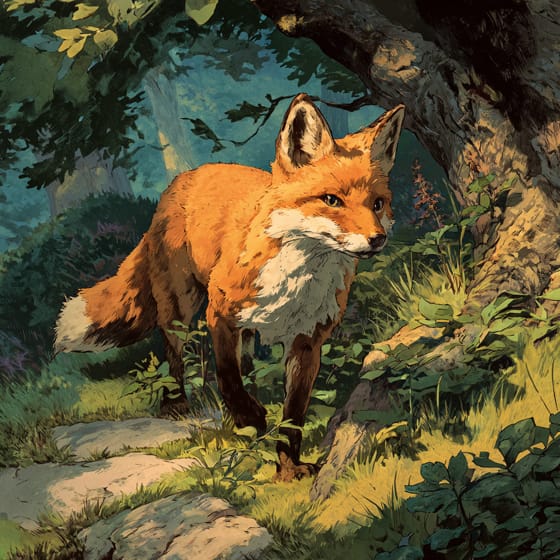
Vulpes vulpes
Introduced foxes prey on goose eggs and young goslings.

Trifolium repens
Geese graze on clover found in their coastal habitats.
Feathered describes animals, primarily birds, possessing a covering of feathers.
Social animals live in organized groups, cooperating for survival benefits such as foraging, defense, and raising offspring.
This trait characterizes organisms whose diet consists entirely or primarily of plant material.
Coastal habitats are dynamic environments located along the interface between land and sea, influenced by tides, waves, and saltwater.

Diurnal animals are primarily active during daylight hours, typically resting or sleeping at night.

Aquatic habitats encompass environments where organisms live predominantly in water, including oceans, rivers, lakes, and wetlands.
No aliases listed yet.
Danger
1/5 · Very low
Always watch birds from a distance and don't try to touch them.
The easiest way to identify Cape Barren Goose is to use the Snappit nature identifier app.
75-100 cm
130-160 cm
3-7 kg
15-20 years
70 km/h
This goose mostly eats plants like grasses and herbs found in salty coastal areas.
Coastal areas
Zoom in to split clusters and explore where this object has been snapped.
Recent snaps will appear here as new observations are added.
Take the discovery with you
Snap it with Snappit to identify it, learn what makes it special, and add the discovery to your collection.




.jpg&width=800)








