





Carnivorans
Carnivora
Carnivorans are a group of meat-eating mammals that include animals like lions, tigers, and bears. They are known for their sharp teeth and strong bodies, which help them catch their food.
Habitat: Forests, Grasslands, Mountains
The Carnivorans are a diverse group of mammals, generally recognized by their specialized teeth, including prominent canines and shearing molars. They often have muscular bodies, agile limbs, and sharp claws. Their fur coloration varies widely from striped and spotted to solid brown, black, or white, providing camouflage.
Category
MammalsRarity
Common
Danger
5/5 · Extreme
Snaps
Be the first to snap!
Many carnivorans mark their territory with scent messages, like leaving a secret note for others!
Some carnivorans can purr like a tiny engine, but only big cats that roar can't purr!
Some carnivorans, like bears, can stand tall on two legs to get a better view or look intimidating!
The smallest carnivoran, the Least Weasel, weighs less than a chocolate bar!
Carnivorans can deliver crushing bites because of powerful jaw muscles and specialized carnassial teeth that help them slice through meat.
Carnivorans have highly developed senses of smell, hearing, and often eyesight that help them locate and track prey, even in low light.
Carnivorans possess strong, flexible bodies and powerful legs because of their need to chase, pounce, or stalk, helping them capture fast-moving prey.
Carnivorans have sharp, often retractable claws that help them grip prey, climb trees, and dig for hidden food or shelter.
They mainly eat meat, but some enjoy plants and even insects for a tasty treat!
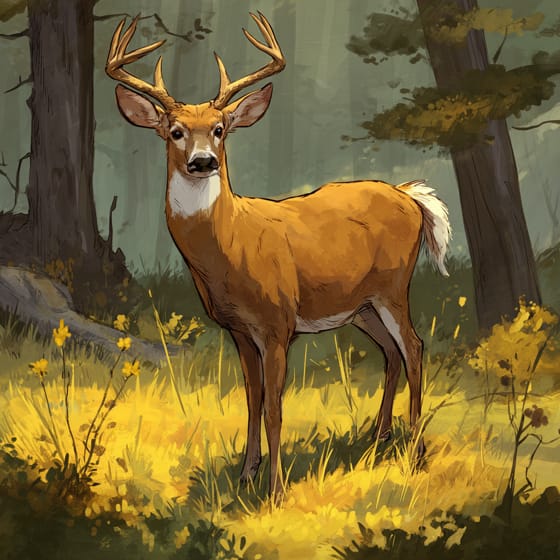
Odocoileus virginianus
Many large carnivorans, like cougars, hunt deer.
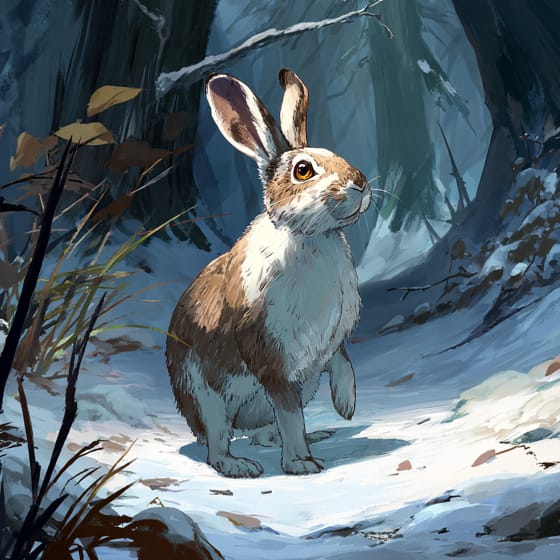
Lepus americanus
Lynx and foxes frequently hunt snowshoe hares.

Salmo salar
Bears, a type of omnivorous carnivoran, commonly eat this fish.
Quercus robur
Bears and other omnivorous carnivorans consume its acorns.
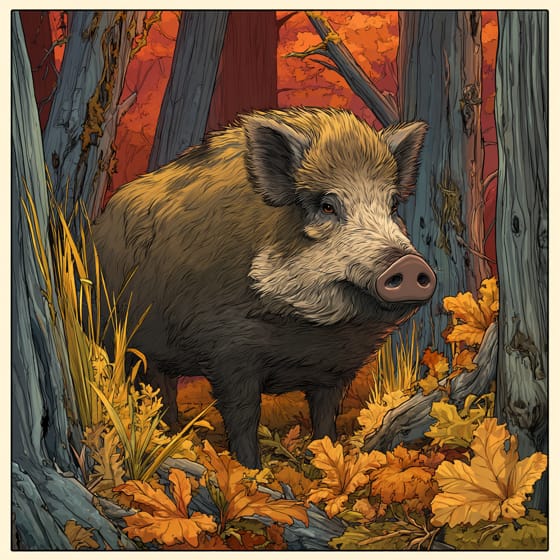
Sus scrofa
Large carnivorans like tigers and bears prey on wild boars.
Furry describes animals possessing a dense covering of soft hair or fur.
Social animals live in organized groups, cooperating for survival benefits such as foraging, defense, and raising offspring.
Scavengers consume dead organic matter, helping to decompose carcasses and other waste in the ecosystem.
Grassland habitats are terrestrial biomes dominated by grasses and herbaceous plants, supporting a variety of grazing animals.

This habitat trait identifies species found in mountainous regions, characterized by high elevation, steep slopes, and varying climate zones.

An ambush predator hunts by patiently waiting and concealing itself, then launching a sudden attack when unsuspecting prey comes within range.

Forest habitats are terrestrial environments dominated by dense tree cover, supporting a high diversity of plant and animal life.

This trait identifies organisms whose diet consists entirely or primarily of animal tissue.

Describes a species whose presence and role have a disproportionately large effect on its environment.

This trait identifies organisms that exhibit exceptional swiftness in movement for hunting, escape, or travel.

Nocturnal animals are primarily active during the nighttime hours, typically resting or sleeping during the day.
No aliases listed yet.
Danger
5/5 · Extreme
Always admire wild animals from a safe distance and never try to touch or feed them.
The easiest way to identify Carnivorans is to use the Snappit nature identifier app.
15-300 cm
0.05-600 kg
5-30 years
110 km/h
They mainly eat meat, but some enjoy plants and even insects for a tasty treat!
Forests, Grasslands, Mountains
Ambush, Pursuit, Foraging, and Scavenging
Zoom in to split clusters and explore where this object has been snapped.
Recent snaps will appear here as new observations are added.

British Columbia, CA
You might spot Western Rattlesnake Plantain and Shinyleaf Meadowsweet.
View guide →

South Dakota, US
You might spot Scarlet Globemallow, Leadplant, and Yellow Salsify.
View guide →

British Columbia, CA
You might spot Pacific Bleeding Heart, Tansy, and Western Sword Fern.
View guide →
Take the discovery with you
Snap it with Snappit to identify it, learn what makes it special, and add the discovery to your collection.




.jpg&width=800)


.JPG&width=800)


.jpg&width=800)
