





Greenbriers
smilax
Greenbriers are climbing plants with thorny vines that love to grow in forests and fields! They have shiny green leaves and can produce small flowers that turn into berries.
Habitat: Forests, fields, and along edges of roads.
The Greenbriers is a woody vine with distinctive sharp thorns along its tough stems, and often heart-shaped or oval, glossy green leaves. Its small, greenish-yellow flowers develop into clusters of dark blue to black berries.
Category
PlantsRarity
Common
Danger
1/5 · Very low
Snaps
Be the first to snap!
Even its climbing tendrils can be eaten when cooked, tasting surprisingly like asparagus!
Its tough, thorny vines can form dense, impenetrable thickets, creating mini-fortresses!
Native Americans brewed medicinal teas from Greenbrier roots to help with various ailments.
Some Greenbrier roots can be ground into a flour-like substance for cooking!
Greenbriers have sharp, hooked thorns that help them protect their leaves and shoots from hungry animals.
Greenbriers can use specialized tendrils to cling to other plants, helping them climb high to reach essential sunlight.
Greenbriers produce juicy berries that attract many birds, helping the plant spread its seeds far and wide.
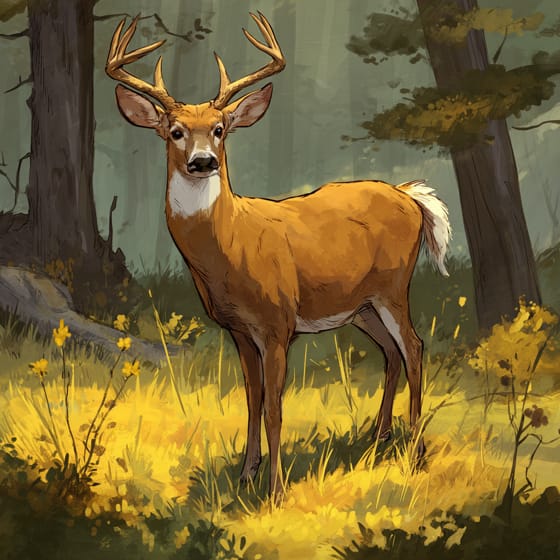
Odocoileus virginianus
Feeds on its leaves and tender shoots.
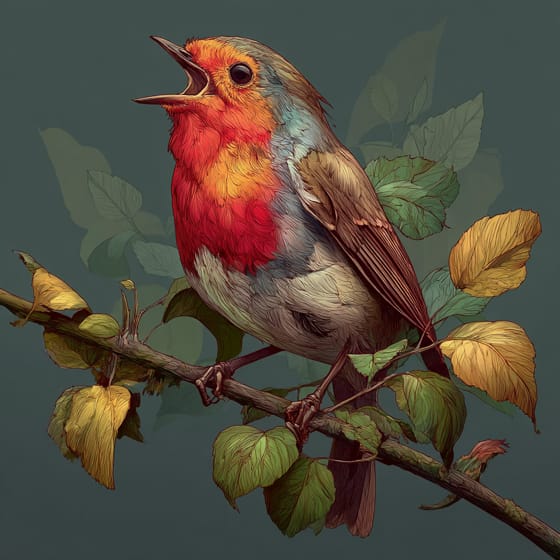
Turdus migratorius
Feasts on its dark blue berries.
Apis mellifera
Visits its small flowers for nectar.

Thryothorus ludovicianus
Nests safely within its thorny thickets.
Climbing or vine plants are characterized by a growth habit that allows them to ascend upwards by twining, tendrils, or adhesive roots.
Colorful describes organisms or objects displaying a wide range of bright and distinct colors.
This trait characterizes organisms whose diet consists entirely or primarily of plant material.
Forest habitats are terrestrial environments dominated by dense tree cover, supporting a high diversity of plant and animal life.

Diurnal animals are primarily active during daylight hours, typically resting or sleeping at night.
Danger
1/5 · Very low
Be careful of the thorns when exploring!
The easiest way to identify Greenbriers is to use the Snappit nature identifier app.
100-1000 cm
0.2-0.5 cm
Late_spring_to_early_summer
Yes
Mild
Perennial
Insect
Zoom in to split clusters and explore where this object has been snapped.
Recent snaps will appear here as new observations are added.
Take the discovery with you
Snap it with Snappit to identify it, learn what makes it special, and add the discovery to your collection.








.jpg&width=800)



_001.jpg&width=800)




