





carrot family
Apiaceae
Carrots are crunchy, orange vegetables that grow underground. They are super healthy and can help you see better in the dark!
Habitat: Gardens
The carrot family is known for its distinctive flat-topped or dome-shaped flower clusters, called umbels, which resemble tiny umbrellas. Flowers are often white or yellow, sometimes pink, with many small petals. Most have green, fern-like leaves.
Category
PlantsRarity
Common
Danger
1/5 · Very low
Snaps
Be the first to snap!
Celery, parsley, and even dill are all relatives in the amazing carrot family!
Some carrot family plants, like giant hogweed, can grow taller than a basketball hoop!
The first carrots weren't orange; they were purple, white, or yellow!
You might find tiny 'seeds' on your clothes after walking through some carrot family plants, thanks to their clever hooks!
The carrot family can group its tiny flowers into large, flat 'umbrellas' to attract many pollinators at once.
Many members, like carrots, have a deep taproot that stores food and water, helping them survive dry spells.
This family has special oils that make them smell unique, which can both attract helpful insects and scare away pests.
Apis mellifera
Visits many tiny flowers in a cluster.
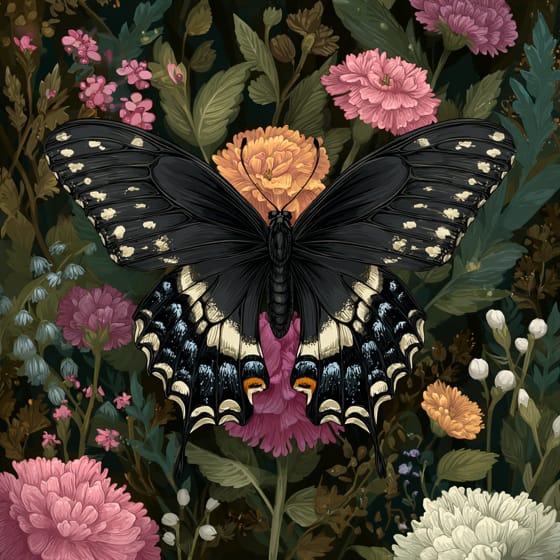
Papilio polyxenes
Caterpillars feed on leaves of carrot and dill.
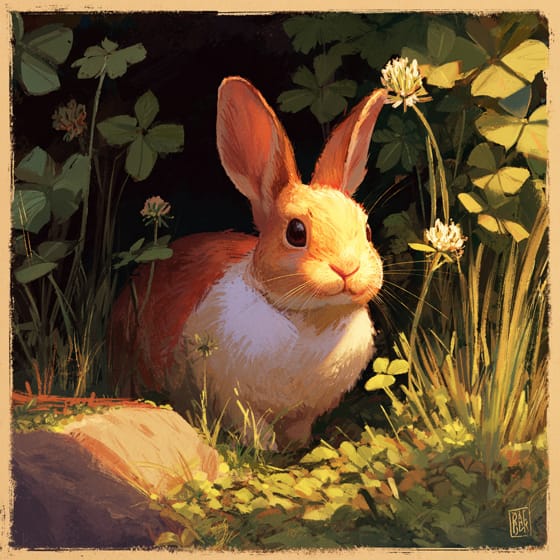
Oryctolagus cuniculus
Rabbits often graze on wild and cultivated carrots.
Flowering plants are any plants that produce flowers as part of their reproductive cycle.
Biennial plants complete their life cycle over two growing seasons, typically forming foliage in the first year and flowering/seeding in the second.
This human use trait describes species cultivated or domesticated by humans for agricultural purposes, including crops and livestock.
Colorful describes organisms or objects displaying a wide range of bright and distinct colors.

Edible plants are those parts of a plant that are considered safe for human consumption.

Rapid growing plants exhibit accelerated growth rates, quickly increasing in size and biomass within a short period.

This habitat trait indicates species that can coexist with humans in urban and suburban environments, utilizing man-made structures and green spaces.
Danger
1/5 · Very low
Always wash carrots before eating them to make sure they are clean.
The easiest way to identify carrot family is to use the Snappit nature identifier app.
10-300 cm
15-100 cm
0.2-0.5 cm
Summer
Yes
Deadly
Biennial
Zoom in to split clusters and explore where this object has been snapped.
Recent snaps will appear here as new observations are added.
Take the discovery with you
Snap it with Snappit to identify it, learn what makes it special, and add the discovery to your collection.








.jpg&width=800)



_001.jpg&width=800)



