





Toyon
Heteromeles arbutifolia
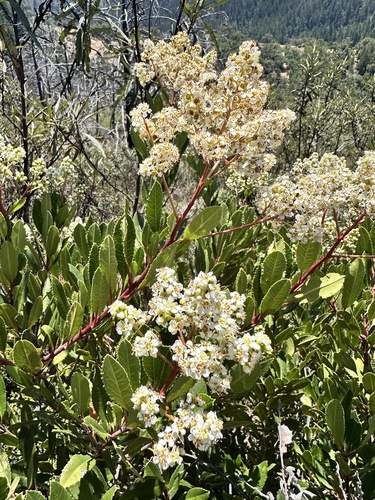
Toyon is a lovely shrub with bright red berries that birds love to eat. It has shiny green leaves and can grow tall, making it a great plant for gardens and nature walks.
Habitat: Coastal areas
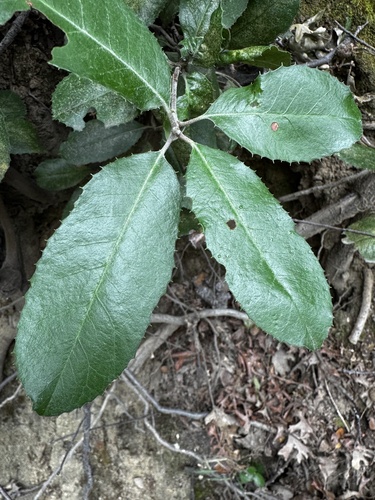
The Toyon has leathery, deep green leaves with serrated edges, often mistaken for holly but without the sharp spines. In winter, it bursts with clusters of brilliant red berries, contrasting beautifully with its white late-spring flowers, making it a striking evergreen shrub.
Category
PlantsRarity
Common
Danger
1/5 · Very low
Snaps
25
Its scientific name, Heteromeles, amazingly means 'different apple'!
Native Americans once made a hot drink, like tea, from Toyon leaves!
This super tough plant can live for over 100 years, growing into a small tree!
Toyon berries can stay on the plant all winter long, like natural ornaments!
Toyon has tough, leathery leaves that help it survive long, dry periods by reducing water loss.
Toyon can resprout from its base after wildfires, helping it recover and thrive in fire-prone areas.
Toyon's abundant berries provide crucial winter food for many birds and mammals, making it a wildlife haven.
Its thick, evergreen canopy provides cool shade and shelter, helping other smaller plants and animals survive hot conditions.
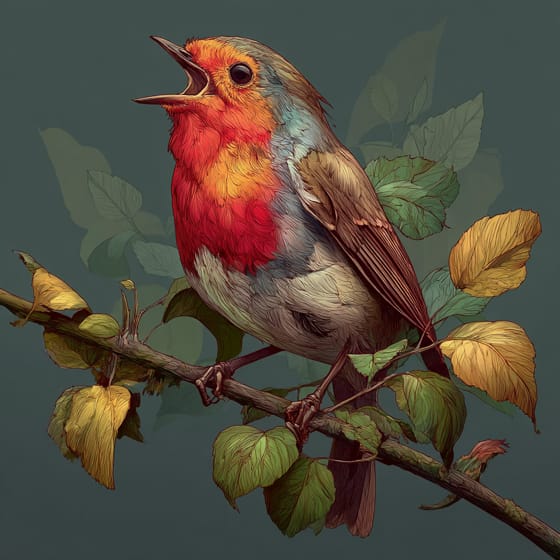
Turdus migratorius
Feeds on Toyon berries, especially in winter.
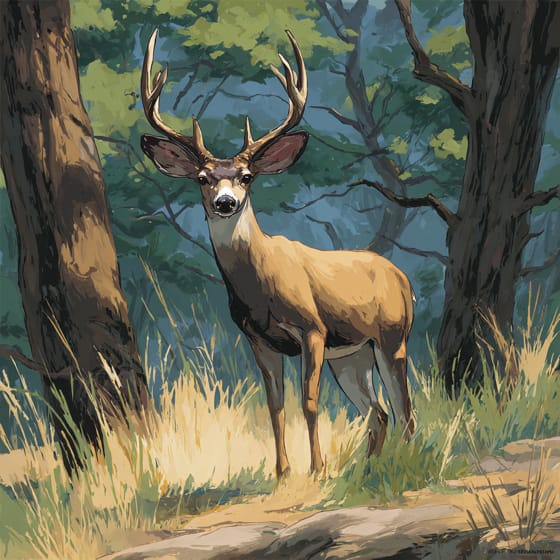
Odocoileus hemionus
Browses on leaves and twigs, and eats berries.
Apis mellifera
Visits Toyon flowers for nectar and pollen.
.jpg&width=800)
Thryomanes bewickii
Uses Toyon's dense branches for nesting and cover.
Aromatic plants produce and emit fragrant volatile organic compounds, often for defense or to attract pollinators.
A shrub is a woody plant smaller than a tree, typically with multiple stems branching from or near the ground.
Evergreen plants retain their foliage throughout the year, never shedding all their leaves at once.
Fruit-bearing plants produce fruits, which are the mature ovaries of flowering plants containing seeds.

Edible plants are those parts of a plant that are considered safe for human consumption.

Describes plants that are particularly attractive and beneficial to a wide range of pollinating organisms.

Coastal habitats are dynamic environments located along the interface between land and sea, influenced by tides, waves, and saltwater.
Danger
1/5 · Very low
While Toyon berries are pretty, they are not safe to eat. Always look but don't taste!
The easiest way to identify Toyon is to use the Snappit nature identifier app.
200-500 cm
200-500 cm
0.5-1 cm
Late spring to early summer
Yes
Mild
Perennial
Zoom in to split clusters and explore where this object has been snapped.
Jun 2, 2026
Armstrong Redwoods State Natural ReservePhoto attribution
no rights reserved
License: CC0 1.0 ↗
Image may be shown cropped inside the card frame.
May 28, 2026
ColomaPhoto attribution
(c) J. Roe, some rights reserved (CC BY)
License: CC BY 4.0 ↗
Image may be shown cropped inside the card frame.

California, US
You might spot Redwood Sorrel, Redwood, and Button's Banana Slug.
View guide →

California, US
You might spot Monarch, Canada Goose, and Western Gull.
View guide →

California, US
You might spot Warrior's Plume and Purple Owl's-Clover.
View guide →

California, US
You might spot Peridot Sweat Bee and Western Fence Lizard.
View guide →

California, US
You might spot White Globe Lily, Rose Campion, and Pipevine Swallowtail.
View guide →

California, US
You might spot Western Fence Lizard and Eastern Fox Squirrel.
View guide →
Take the discovery with you
Snap it with Snappit to identify it, learn what makes it special, and add the discovery to your collection.









.jpg&width=800)



_001.jpg&width=800)


