.jpg&width=800)


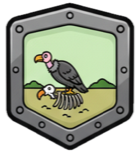


Caspian Gull
Larus cachinnans
The Caspian Gull is a large bird that loves to live near water. It has a beautiful gray and white body and a loud call that can be heard from far away. These gulls are great at finding food, often scavenging along the shores.
Habitat: Coastal areas
The Caspian Gull is a large, elegant gull with a pale grey back and wings, contrasting white head and underparts. It features a strong, long yellow bill with a distinct red spot near the tip, and long, yellowish legs. Its darker wingtips have small white spots, making it distinct from similar gulls.
Category
BirdsRarity
Common
Danger
2/5 · Low
Snaps
Be the first to snap!
Baby Caspian Gulls are fluffy and speckled, camouflaged perfectly in their nest!
Caspian Gulls have a loud, deep 'kyow' call, quite different from common gulls!
These gulls are clever! They sometimes drop shellfish from high up to break them open.
They can be seen far from the sea, nesting in huge colonies near lakes.
Caspian Gull has long, pointed wings that help them soar effortlessly for hours, covering vast distances during migration.
Caspian Gull can eat almost anything because of its adaptable digestive system, helping them survive in diverse environments.
Caspian Gull has excellent eyesight that helps them spot tiny prey, like insects or fish, from high in the sky.
Caspian Gull can drink saltwater because of special glands that remove excess salt, helping them survive far from fresh water.
Caspian Gulls are opportunistic eaters, feasting on fish, insects, eggs, and human scraps.
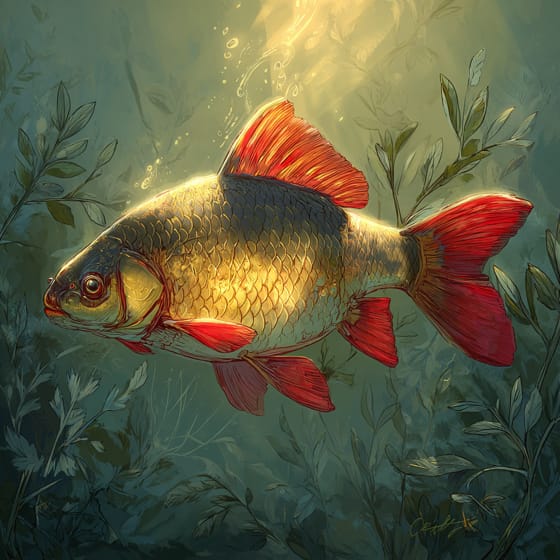
Rutilus rutilus
Preys on this common freshwater fish species.
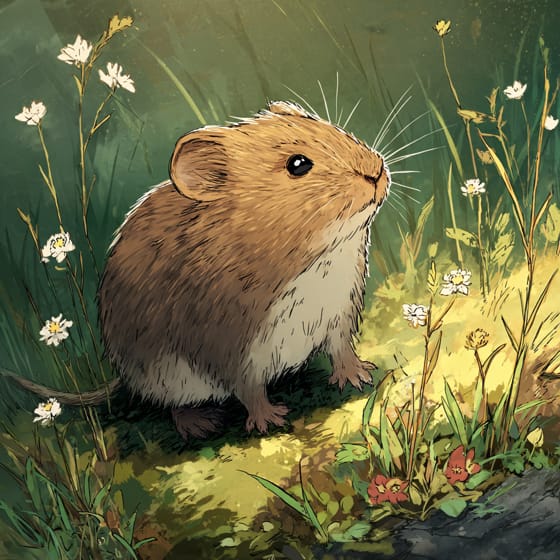
Microtus arvalis
Opportunistically hunts these small rodents in fields.
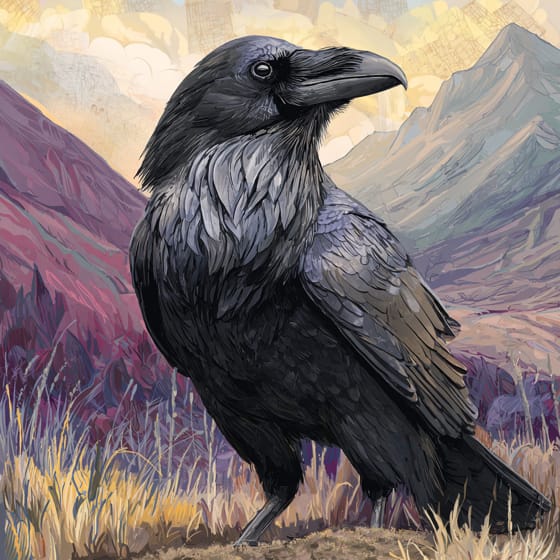
Corvus corax
Ravens often steal Caspian Gull eggs and chicks.
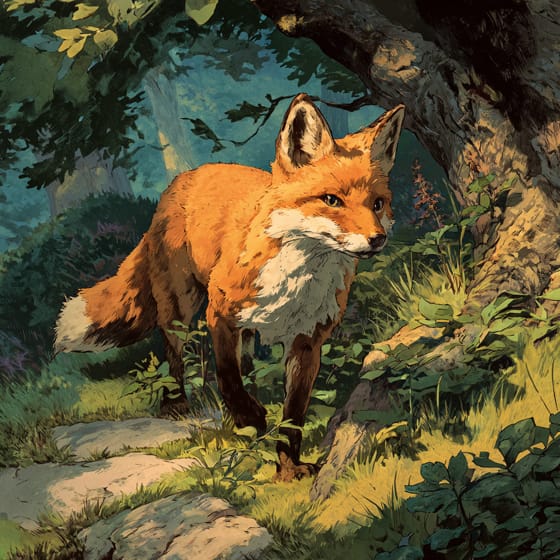
Vulpes vulpes
Foxes can prey on gull chicks, eggs, and sometimes adults.
Feathered describes animals, primarily birds, possessing a covering of feathers.
Social animals live in organized groups, cooperating for survival benefits such as foraging, defense, and raising offspring.
Scavengers consume dead organic matter, helping to decompose carcasses and other waste in the ecosystem.
Piscivorous organisms are animals that primarily subsist on a diet of fish.

Coastal habitats are dynamic environments located along the interface between land and sea, influenced by tides, waves, and saltwater.

Diurnal animals are primarily active during daylight hours, typically resting or sleeping at night.

Migratory animals undertake seasonal movements from one region to another, typically in response to changes in climate or food availability.
No aliases listed yet.
Danger
2/5 · Low
Always watch gulls from a distance and don't feed them, as they can become too friendly.
The easiest way to identify Caspian Gull is to use the Snappit nature identifier app.
56-68 cm
135-155 cm
0.75-1.6 kg
10-25 years
65 km/h
Caspian Gulls are opportunistic eaters, feasting on fish, insects, eggs, and human scraps.
Coastal areas
Zoom in to split clusters and explore where this object has been snapped.
Recent snaps will appear here as new observations are added.
Take the discovery with you
Snap it with Snappit to identify it, learn what makes it special, and add the discovery to your collection.




.jpg&width=800)








