





Castor-Aralia
Kalopanax septemlobus
The Castor-Aralia is a tall tree with big, shiny leaves that look like hands! It can grow very tall and is often found in forests, making it a special part of nature.
Habitat: Forests
The Castor-Aralia is a striking deciduous tree, known for its very large, deeply lobed leaves resembling a castor bean plant. Its trunk and branches often display sharp, stiff thorns, especially when young. It produces clusters of small, creamy-white flowers.
Category
PlantsRarity
Common
Danger
1/5 · Very low
Snaps
1
Its genus name, Kalopanax, means "beautiful panacea" – quite a grand title!
The large, umbrella-like leaves can create wonderful shaded spots on sunny days.
The wood of Castor-Aralia is prized for musical instruments and furniture in Asia.
This tree is a relative of the famous Ginseng plant, known for its medicinal uses!
Castor-Aralia has sharp thorns on its trunk and branches that help it defend against browsing animals.
This tree can sprout new growth quickly, helping it recover from damage or outcompete other plants.
Its very large leaves efficiently capture sunlight, helping the tree grow tall and strong in forests.
Apis mellifera
Attracted to its nectar-rich summer flowers.
Bombus terrestris
Feeds on nectar, helping transfer pollen.

Cervus nippon
Young shoots and bark are sometimes browsed.
Turdus cardis
Nests among its branches for protection.
Deciduous plants periodically shed all their leaves, typically during autumn or dry seasons.
Flowering plants are any plants that produce flowers as part of their reproductive cycle.
Cluster flowers are inflorescences where individual flowers are arranged closely together on a common stem.
Broadleaf trees are angiosperms characterized by flat, wide leaves that are typically shed annually in temperate climates.

Timber refers to wood that has been prepared for use in building and carpentry.

Forest habitats are terrestrial environments dominated by dense tree cover, supporting a high diversity of plant and animal life.

This trait characterizes organisms with an exceptionally long lifespan compared to others of their kind.

Giant describes organisms or objects of significantly larger size than average for their species or type.
No aliases listed yet.
Danger
1/5 · Very low
Stay on paths when exploring forests and don't touch unknown plants.
The easiest way to identify Castor-Aralia is to use the Snappit nature identifier app.
1000-3000 cm
500-1500 cm
0.3-0.5 cm
Late summer
Yes
None
Perennial
Zoom in to split clusters and explore where this object has been snapped.

Virginia, US
You might spot Eastern Tiger Swallowtail, Bald Eagle, and Common Pawpaw.
View guide →

Ohio, US
You might spot Eastern Newt, Eastern Hemlock, and American Cancer-Root.
View guide →
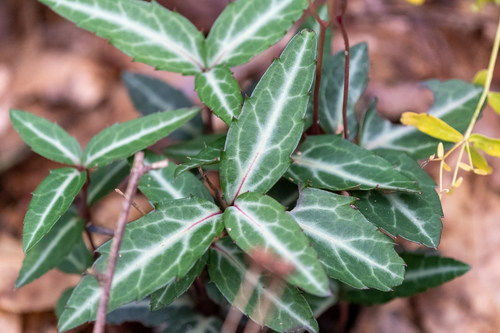
Virginia, US
You might spot Striped Wintergreen, Christmas Fern, and Autumn Olive.
View guide →

Virginia, US
You might spot Conifers, Virginia Creeper, and Black Walnut.
View guide →
Take the discovery with you
Snap it with Snappit to identify it, learn what makes it special, and add the discovery to your collection.





.jpg&width=800)


_001.jpg&width=800)



