





Sika Deer
Cervus nippon
Sika deer are beautiful animals with spotted coats that help them blend into the forest. They are gentle and often found in groups, making them fun to watch in nature.
Habitat: Forests
The Sika Deer has a reddish-brown coat often covered in striking white spots, especially in summer, which fade in winter. It features a prominent white rump patch. Males grow impressive antlers annually. They are medium-sized deer, visibly smaller than a Red Deer.
Category
MammalsRarity
Common
Danger
2/5 · Low
Snaps
Be the first to snap!
During mating season, male Sika Deer let out an amazing, loud scream!
Every year, male Sika Deer grow and then shed a brand new set of antlers!
Some Sika Deer keep their beautiful white spots their whole lives, even as adults!
They have a super sense of smell to sniff out delicious plants and hidden fungi!
Sika Deer can make a loud whistling sound that acts as an alarm, warning other deer of danger nearby.
Sika Deer have a beautifully spotted coat that helps them blend into dappled forest light, making them hard to spot.
Sika Deer can swim very well and often cross rivers and lakes to find new food or escape from threats.
These plant-eaters enjoy munching on grasses, leaves, and tender shoots found in their habitats.
Canis lupus
Wolves are a primary natural predator in native ranges.
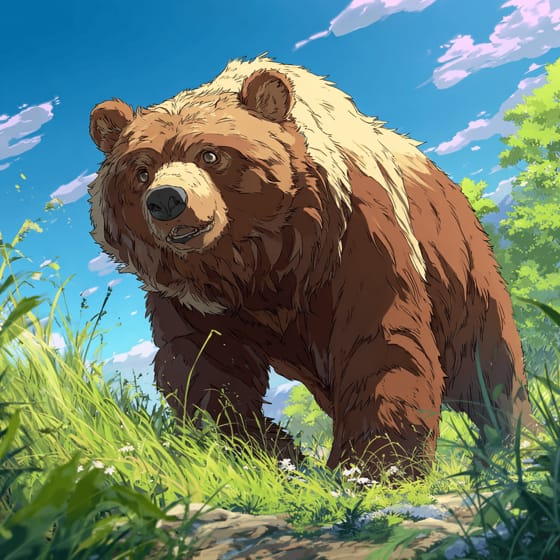
Ursus arctos
Brown bears prey on Sika deer, especially fawns.
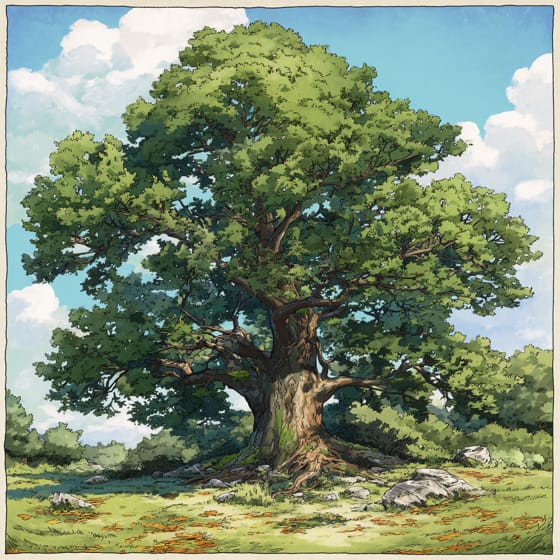
Quercus robur
They browse on oak leaves and acorns, impacting forest regeneration.
Furry describes animals possessing a dense covering of soft hair or fur.
Marked with spots or patches of a different color.
Social animals live in organized groups, cooperating for survival benefits such as foraging, defense, and raising offspring.
This trait characterizes organisms whose diet consists entirely or primarily of plant material.

Forest habitats are terrestrial environments dominated by dense tree cover, supporting a high diversity of plant and animal life.

Diurnal animals are primarily active during daylight hours, typically resting or sleeping at night.

This trait identifies organisms that exhibit exceptional swiftness in movement for hunting, escape, or travel.
Danger
2/5 · Low
Always observe deer from a distance and do not try to feed them.
The easiest way to identify Sika Deer is to use the Snappit nature identifier app.
95-180 cm
30-160 kg
15-20 years
70 km/h
These plant-eaters enjoy munching on grasses, leaves, and tender shoots found in their habitats.
Forests
Foraging
Zoom in to split clusters and explore where this object has been snapped.
Recent snaps will appear here as new observations are added.

Zurich, CH
You might spot Red Deer, Wolves and Dogs, and European Bison.
View guide →

Saarland, DE
You might spot Red Deer, Fallow Deer, and Sika Deer.
View guide →

Maryland, US
You might spot Domestic Horse, Sanderling, and Atlantic Ghost Crab.
View guide →
Take the discovery with you
Snap it with Snappit to identify it, learn what makes it special, and add the discovery to your collection.




.jpg&width=800)

.JPG&width=800)


.jpg&width=800)
