





Central Texas Leaf-Katydid
Paracyrtophyllus robustus
The Central Texas Leaf-Katydid is a green insect that looks just like a leaf! It hides in trees and bushes, making it hard to spot. They make a fun sound at night that sounds like music in the forest.
Habitat: Forests
The Central Texas Leaf-Katydid is a robust insect, predominantly vivid green, with broad, heavily veined wings that perfectly mimic leaves. Its stocky body often has brownish edges or markings, helping it blend seamlessly into dense foliage.
Category
InsectsRarity
Common
Danger
1/5 · Very low
Snaps
2
Female leaf-katydids lay their eggs in rows that often look exactly like tiny seeds.
Katydids have large compound eyes that help them navigate and spot food in the dark!
Many adult katydids only live for a few months, making their short lives full of song!
This insect's 'ears' are located on its front legs, just below its knees!
Central Texas Leaf-Katydid has broad, veined wings that perfectly mimic leaves, helping them hide from predators.
Central Texas Leaf-Katydid can rub its wings together to create loud, rhythmic calls, used to attract mates.
Central Texas Leaf-Katydid can use its powerful hind legs to leap long distances, escaping danger quickly.
They mostly munch on leaves and plants, sometimes snacking on small insects too.

Quercus fusiformis
Munching leaves

Ulmus crassifolia
Feeds on foliage
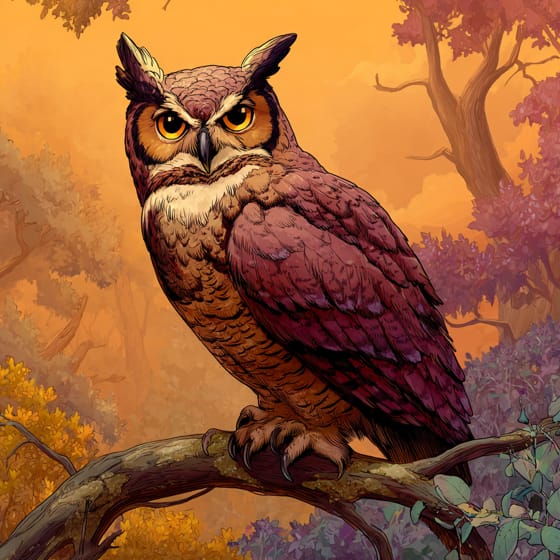
Bubo virginianus
Provides nocturnal meal
Tadarida brasiliensis
Hunted by bats
Social animals live in organized groups, cooperating for survival benefits such as foraging, defense, and raising offspring.
Singing animals produce complex vocalizations, often for purposes of attracting mates, defending territory, or communicating within their species.
Arboreal animals live primarily in trees, utilizing them for shelter, food, and protection from predators.
Camouflaged describes organisms that possess coloring or patterns that allow them to blend into their environment.

This trait characterizes organisms whose diet consists entirely or primarily of plant material.

Forest habitats are terrestrial environments dominated by dense tree cover, supporting a high diversity of plant and animal life.

Nocturnal animals are primarily active during the nighttime hours, typically resting or sleeping during the day.
No aliases listed yet.
Danger
1/5 · Very low
These insects are safe to observe, but it's best to watch them from a distance.
The easiest way to identify Central Texas Leaf-Katydid is to use the Snappit nature identifier app.
60-75 mm
40-50 mm
60-120 days
8 km/h
They mostly munch on leaves and plants, sometimes snacking on small insects too.
Forests
Foraging
Zoom in to split clusters and explore where this object has been snapped.

Texas, US
You might spot Eastern Fox Squirrel and Great-Tailed Grackle.
View guide →

Texas, US
You might spot Reticulated Giraffe, Zebra, and White Rhinoceros.
View guide →

Texas, US
You might spot Pipevine Swallowtail and Antelopehorn Milkweed.
View guide →
Take the discovery with you
Snap it with Snappit to identify it, learn what makes it special, and add the discovery to your collection.








.jpg&width=800)



