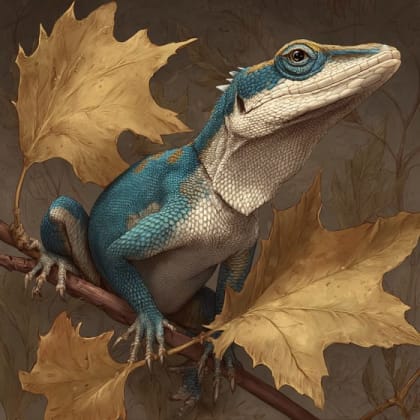





Anole

Congress Avenue is Austin's historic heart, showcasing iconic Texas architecture and vibrant city life.
Congress Avenue is Austin's historic heart, showcasing iconic Texas architecture and vibrant city life. Stretching majestically from the Colorado River to the Texas State Capitol, this prominent thoroughfare, established in 1839, forms the central axis of downtown Austin. It serves as a symbolic and ceremonial approach to the state's government, a bustling commercial and cultural artery, and a proud testament to the city's rich heritage.
Visitors can marvel at a diverse array of architectural styles, including Victorian, Romanesque, Gothic, Renaissance, Venetian, Classical, and Art Deco, reflected in the historic facades lining the avenue. Key landmarks such as the Texas State Capitol, the historic Paramount Theatre, and the beautifully restored Old Bakery & Emporium stand as testaments to different eras. A unique highlight is the Ann W. Richards Congress Avenue Bridge, which hosts the world's largest urban bat colony—an estimated 1.5 million Mexican free-tailed bats—providing a spectacular nightly emergence from March to October.
More than just a collection of buildings, Congress Avenue is a living, breathing experience that blends historical charm with modern dynamism. It’s a destination for unique shopping, diverse dining, and live music, creating an atmosphere that is distinctly Austin. The avenue offers a memorable journey through Texas history, vibrant culture, and captivating natural spectacles, making it an essential visit for anyone exploring the capital city. Explore the grounds like a pro—download the Snappit app to instantly identify animals and plants.
The Congress Avenue Historic District began in 1839 when Edwin Waller laid out the plan for Austin, designating Congress Avenue as the city's central and most prominent street. Early development saw the establishment of government buildings, hotels, saloons, and retail stores along "The Avenue," quickly forming a well-established business district by the late 1840s. Over the decades, infrastructure improved with gaslight illumination in the 1870s, mule-driven streetcars, and the paving of the original dirt street with bricks in 1910. The completion of the magnificent Texas State Capitol in 1888 significantly bolstered the avenue's commercial importance. While the mid-20th century saw some decline, a resurgence of appreciation for its historic buildings in the 1970s and 80s led to restoration efforts, including the iconic Paramount Theatre. Recognizing its profound architectural and historical significance, Congress Avenue was officially listed in the National Register of Historic Places in 1979.
Take a self-guided architectural walking tour, explore the unique shops and eateries, enjoy live music venues, visit the Texas State Capitol, and watch the world-famous bat flight from the Congress Avenue Bridge. Don't miss taking photos at iconic spots like the "Greetings from Austin" mural, though located slightly south of the main historic district, it's a popular Congress Avenue experience.
Spring (March-May): Mild temperatures perfect for walking, coincide with major festivals like SXSW and Pecan Street Festival, and the arrival of the bat colony.
Summer (June-August): Hot, but the bat emergence is a nightly event, and you can cool off with water activities nearby or enjoy the city's nightlife. Bat Fest typically occurs in August.
Fall (September-November): Pleasant weather for outdoor activities, cultural festivals like Austin City Limits, and the bats are still present before their migration.
Winter (December-February): Milder temperatures compared to many other regions, fewer crowds, and often more budget-friendly.
Congress Avenue is a pedestrian-friendly street with sidewalks throughout the historic district. Many shops and attractions will have varying levels of accessibility, but the street itself is generally navigable.
The Texas State Capitol Building, the Ann W. Richards Congress Avenue Bridge (especially at dusk for bats), the Paramount Theatre, the Old Bakery & Emporium, the Stephen F. Austin Royal Sonesta Hotel, the Phillips Building (Austin Visitor Center), and a variety of architecturally significant buildings along the street.
Each card links to a full Explore page with photos, traits, and fun facts.
Start with the big picture, then zoom in to explore individual wildlife observations around this place.
Wear comfortable walking shoes
The district is best explored on foot, so be prepared for plenty of walking to appreciate all the sights.
Plan your bat-watching experience
Arrive at the Congress Avenue Bridge 30-60 minutes before sunset from March to October for the best views of the bat emergence.
Consider alternative transportation
Parking in downtown Austin can be challenging; utilize public transportation, ride-sharing services, or parking garages to reduce stress.
Explore both ends of the avenue
The northern end offers grand governmental buildings and historic sites, while the "SoCo" (South Congress) area boasts eclectic shops, eateries, and vibrant street art.
Look up to appreciate the architecture
Many of the historic buildings feature intricate details and diverse architectural styles best admired by looking above street level.
Check for events
Austin frequently hosts festivals and events; check local listings to see if any coincide with your visit for an enhanced experience.
Jun 19, 2026
Photo attribution
(c) Trey Philips, some rights reserved (CC BY)
License: CC BY 4.0 ↗
Image may be shown cropped inside the card frame.
Jun 6, 2026
Photo attribution
(c) Victor Engel, some rights reserved (CC BY)
License: CC BY 4.0 ↗
Image may be shown cropped inside the card frame.
Jun 20, 2026
Jun 20, 2026
Jun 20, 2026

Maryland, US
You might spot White-Tailed Deer and Eastern Gray Squirrel.
View guide →
.jpg)
District of Columbia, US
You might spot Eastern Gray Squirrel, Duck, and House Sparrow.
View guide →

Illinois, US
You might spot American Robin, Canada Goose, and House Sparrow.
View guide →

Virginia, US
You might spot Spotted Lanternfly and Northern Cardinal.
View guide →
Take the discovery with you
Identify the wildlife you spot, learn as you go, and keep a collection of the adventure.






































_female_ventral.jpg&width=800)
.jpg&width=800)
