





Cherry-plum
Prunus cerasifera
The cherry-plum tree is a lovely tree that produces small, sweet fruits. Its beautiful pink flowers bloom in spring, making it a favorite for gardens and parks.
Habitat: Urban areas
The Cherry-plum has an early display of delicate white or pale pink blossoms that often appear before its oval leaves in early spring. Its small, round fruits can ripen to a cheerful red, yellow, or deep purple, often hanging abundantly from its branches.
Category
PlantsRarity
Common
Danger
1/5 · Very low
Snaps
Be the first to snap!
Birds gobble its tiny, sweet plums, helping to spread seeds far and wide!
It's often the very first tree to burst into bloom in spring!
Its fruits are super variable; some trees grow red, others yellow or purple!
People have been cultivating Cherry-plums since ancient Roman times!
Cherry-plum can bloom before leaves emerge, attracting early pollinators like bees when other food is scarce.
It can quickly colonize disturbed land with its strong root system, helping new forests to grow.
Cherry-plum has hardy roots often used as a strong base for grafting other plum varieties.
Apis mellifera
Helps pollinate early blossoms.
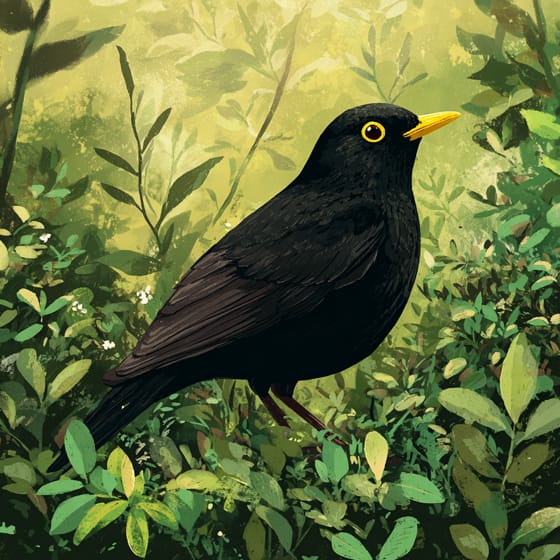
Turdus merula
Feeds on ripe fruits, spreading seeds.
Cydia funebrana
Larvae burrow into and damage its fruits.
Rhynchites auratus
Weevil larvae feed inside the developing fruit.
Deciduous plants periodically shed all their leaves, typically during autumn or dry seasons.
Flowering plants are any plants that produce flowers as part of their reproductive cycle.
Spring blooming plants produce their flowers during the spring season, often signifying the end of winter and the start of new growth.
Broadleaf trees are angiosperms characterized by flat, wide leaves that are typically shed annually in temperate climates.

Fragrant flowers emit a pleasant aroma, often to attract pollinators or for defense.

Fruit-bearing plants produce fruits, which are the mature ovaries of flowering plants containing seeds.

A fruit tree is a perennial tree that produces fruit, which is edible to humans or animals.

Edible plants are those parts of a plant that are considered safe for human consumption.

Describes plants that are particularly attractive and beneficial to a wide range of pollinating organisms.

Rapid growing plants exhibit accelerated growth rates, quickly increasing in size and biomass within a short period.

This habitat trait indicates species that can coexist with humans in urban and suburban environments, utilizing man-made structures and green spaces.
Danger
1/5 · Very low
Always ask an adult before picking or eating fruits from trees.
The easiest way to identify Cherry-plum is to use the Snappit nature identifier app.
600-1500 cm
400-1000 cm
1.5-2.5 cm
Early spring
Yes
None
Perennial
Zoom in to split clusters and explore where this object has been snapped.
Recent snaps will appear here as new observations are added.
Take the discovery with you
Snap it with Snappit to identify it, learn what makes it special, and add the discovery to your collection.







.jpg&width=800)

_001.jpg&width=800)



