.jpg&width=800)





Chestnut-Mandibled Toucan
ramphastos ambiguus swainsonii
The Chestnut-Mandibled Toucan has a big, colorful beak that helps it eat fruit! These friendly birds are often seen in pairs, hopping around the treetops.
Habitat: Tropical rainforests in Central America
The Chestnut-Mandibled Toucan has a striking black body with a vibrant yellow bib on its chest and bright red undertail feathers. Its enormous, multi-colored beak is distinctive, featuring a black base, chestnut-brown lower mandible, and a bright yellow top with orange sides.
Category
BirdsRarity
Common
Danger
0/5 · No known danger
Snaps
Be the first to snap!
Their giant, colorful beak is actually hollow and super light!
They use their strong legs to hop through the tree canopy, not fly long distances.
Toucans don't sing; they make loud, frog-like croaking calls!
Toucans often sleep with their massive beaks tucked over their backs.
Chestnut-Mandibled Toucan has a huge, colorful beak that helps them balance and reach fruit high in trees, despite its large size, it's surprisingly light!
Chestnut-Mandibled Toucan can regulate its body temperature using its beak, which has blood vessels that help them cool down like a radiator.
Chestnut-Mandibled Toucan can precisely pick ripe fruits and even toss them to eat, thanks to its long, serrated beak designed for foraging.
Mostly fruit-eaters, but they also munch on insects, eggs, and small lizards for protein!
Age differences: Chicks require more protein (insects, eggs) for rapid growth, while adults eat a higher proportion of fruit.
Ficus insipida
Main food source, crucial for seed dispersal.
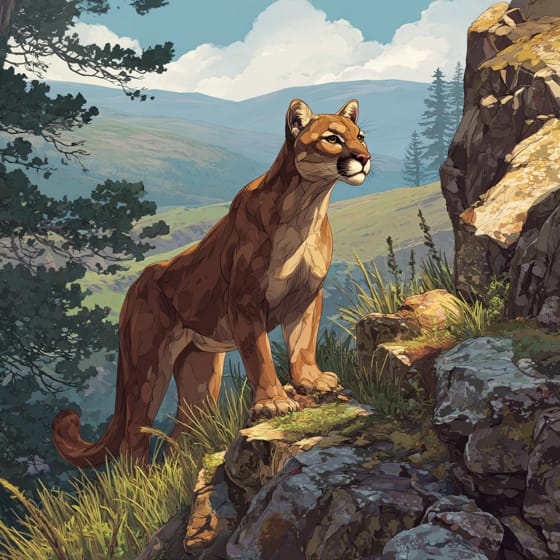
Puma concolor
Large cat that preys on toucans when opportunistic.
Boa constrictor
Snakes can raid toucan nests for eggs and chicks.
Ceiba pentandra
Provides large cavities in its trunk for nesting.
Atta cephalotes
Toucans opportunistically feed on ants for protein.
Social animals live in organized groups, cooperating for survival benefits such as foraging, defense, and raising offspring.
Arboreal animals live primarily in trees, utilizing them for shelter, food, and protection from predators.
Colorful describes organisms or objects displaying a wide range of bright and distinct colors.
This trait identifies organisms whose diet consists entirely or primarily of animal tissue.

Diurnal animals are primarily active during daylight hours, typically resting or sleeping at night.
Danger
0/5 · No known danger
No special safety notes yet.
The easiest way to identify Chestnut-Mandibled Toucan is to use the Snappit nature identifier app.
47-61 cm
60-70 cm
0.55-0.74 kg
15-20 years
45 km/h
Mostly fruit-eaters, but they also munch on insects, eggs, and small lizards for protein!
Tropical rainforests in Central America
Zoom in to split clusters and explore where this object has been snapped.
Recent snaps will appear here as new observations are added.
Take the discovery with you
Snap it with Snappit to identify it, learn what makes it special, and add the discovery to your collection.




.jpg&width=800)








