





Chilabothrus angulifer
Chilabothrus angulifer
The Chilabothrus angulifer, also known as the Cuban boa, is a large snake that can be found in Cuba. It has beautiful patterns on its scales and is known for being a great climber in trees.
Habitat: Forests
The Chilabothrus angulifer is a robust snake, typically yellowish-brown to grayish with dark, angular blotches that often fuse into a zigzag pattern. Its scales can have an iridescent sheen, shimmering in different lights, making it quite striking.
Category
ReptilesRarity
Common
Danger
3/5 · Moderate
Snaps
Be the first to snap!
Baby Cuban Boas are born live, not in eggs, and can hunt right away!
Cuban Boas are one of the largest snake species native to the Caribbean.
Sometimes, many Cuban Boas will share the same tree during the day!
They often bask in the sun to warm their bodies after cool nights.
Chilabothrus angulifer can 'see' in the dark using special heat-sensing pits around its mouth, which helps them find warm-blooded prey.
Chilabothrus angulifer can wrap its powerful body around prey, squeezing tightly to stop breathing and subdue it quickly.
Chilabothrus angulifer has a strong, prehensile tail that helps it grip branches securely while climbing high in trees to hunt.
These large snakes hunt for small mammals and birds in trees and on the ground.
Macrotus waterhousii
hunts bats as they emerge from caves

Rattus rattus
preys on introduced rodents, helping control their populations
Turdus plumbeus
ambushes birds from perches in trees and shrubs
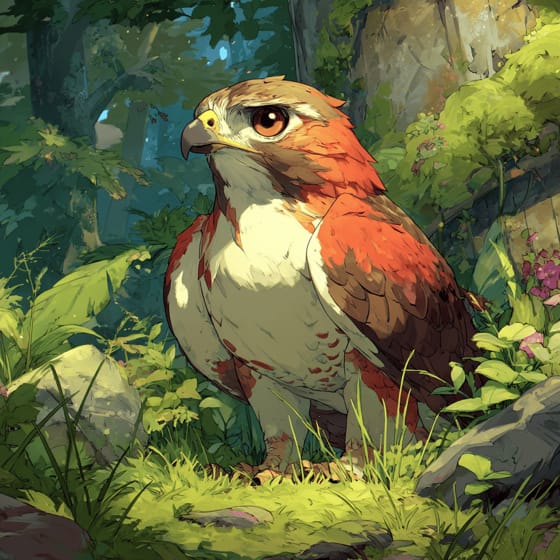
Buteo jamaicensis
juvenile snakes are sometimes prey for large birds of prey
Marked with spots or patches of a different color.
Arboreal animals live primarily in trees, utilizing them for shelter, food, and protection from predators.
Colorful describes organisms or objects displaying a wide range of bright and distinct colors.
An ambush predator hunts by patiently waiting and concealing itself, then launching a sudden attack when unsuspecting prey comes within range.

Forest habitats are terrestrial environments dominated by dense tree cover, supporting a high diversity of plant and animal life.

This trait identifies organisms whose diet consists entirely or primarily of animal tissue.

Giant describes organisms or objects of significantly larger size than average for their species or type.

Nocturnal animals are primarily active during the nighttime hours, typically resting or sleeping during the day.
Danger
3/5 · Moderate
Always keep a safe distance from snakes and never try to touch them.
The easiest way to identify Chilabothrus angulifer is to use the Snappit nature identifier app.
100-480 cm
5-27 kg
15-25 years
8 km/h
These large snakes hunt for small mammals and birds in trees and on the ground.
Forests
Ambush
Zoom in to split clusters and explore where this object has been snapped.
Recent snaps will appear here as new observations are added.
Take the discovery with you
Snap it with Snappit to identify it, learn what makes it special, and add the discovery to your collection.













