





Allamanda
Allamanda
Allamanda has bright yellow flowers that look like little trumpets! They are cheerful and can make anyone smile.
Habitat: Tropical gardens
The Allamanda is a vibrant, fast-growing plant often seen as a sprawling vine or shrub. It has glossy, dark green leaves and showcases large, showy trumpet-shaped flowers, typically brilliant golden yellow, though some varieties boast pink or purple hues.
Category
PlantsRarity
Rare
Danger
1/5 · Very low
Snaps
Be the first to snap!
Despite being poisonous, some traditional medicines use tiny amounts of its plant parts!
Its beautiful trumpet-shaped blooms often inspired artists and garden designers.
Known as "Golden Trumpet," it brightens tropical landscapes with stunning yellow flowers.
Named after Dr. Frederik Allamand, an 18th-century Swiss botanist and explorer.
Allamanda has twining stems that help it climb upwards, reaching sunlight and supporting its rapid growth.
Allamanda can produce a milky, toxic sap that deters herbivores from munching on its leaves and stems.
Allamanda can grow quickly, allowing it to cover large areas like trellises or ground efficiently.
Apis mellifera
collects nectar from flowers
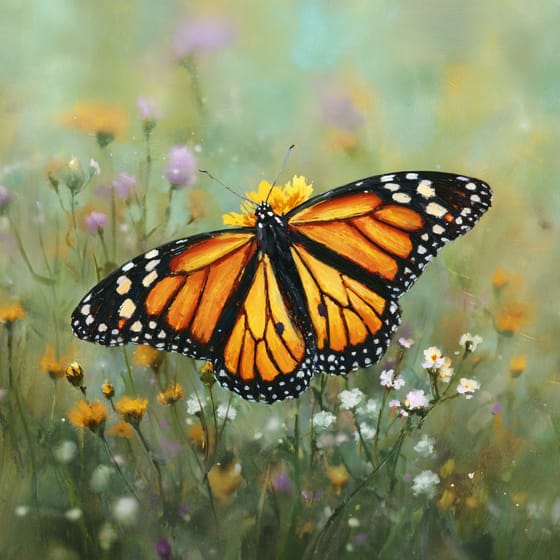
Danaus plexippus
feeds on nectar

Archilochus colubris
drinks sweet nectar
Cluster flowers are inflorescences where individual flowers are arranged closely together on a common stem.
A shrub is a woody plant smaller than a tree, typically with multiple stems branching from or near the ground.
Everblooming plants produce flowers continuously or in repeated flushes over a long period.
Fragrant flowers emit a pleasant aroma, often to attract pollinators or for defense.

This habitat trait indicates species that can coexist with humans in urban and suburban environments, utilizing man-made structures and green spaces.

Describes organisms that transfer pollen, enabling the fertilization and reproduction of plants.
Danger
1/5 · Very low
Explore with care and ask an adult if you’re unsure what to do.
The easiest way to identify Allamanda is to use the Snappit nature identifier app.
100-600 cm
100-500 cm
5-12 cm
Year-round
No
Mild
Perennial
Zoom in to split clusters and explore where this object has been snapped.
Recent snaps will appear here as new observations are added.
Take the discovery with you
Snap it with Snappit to identify it, learn what makes it special, and add the discovery to your collection.









.jpg&width=800)


_001.jpg&width=800)




