_(14782581944).jpg&width=800)





James' Buckwheat
Eriogonum jamesii
James' Buckwheat is a special plant that grows in dry places. It has pretty yellow flowers that attract butterflies and bees, making it a favorite in nature!
Habitat: Desert
The James' Buckwheat has fuzzy, silvery-green leaves, often lance-shaped. Its tiny, cream to yellow flowers cluster into dense, round heads atop slender, reddish stems, making it distinctively globular compared to other low-growing plants.
Category
PlantsRarity
Common
Danger
1/5 · Very low
Snaps
Be the first to snap!
Despite its name, James' Buckwheat is not a true wheat; it's related to rhubarb!
Its tiny flowers can change color, starting creamy yellow and fading to pink or reddish as they age!
Native Americans sometimes ground seeds from other buckwheat species into flour for food.
The fuzzy texture on its leaves acts like a natural sunscreen, protecting it from intense sun.
James' Buckwheat can survive with little water thanks to its deep roots and fuzzy leaves, helping it thrive in dry, arid environments.
James' Buckwheat has a strong root system that binds soil particles, preventing erosion on slopes and disturbed ground.
Its nectar-rich flowers attract a variety of native bees and butterflies, aiding in its reproduction and supporting local insect populations.
Apis mellifera
visits flowers for nectar and pollen
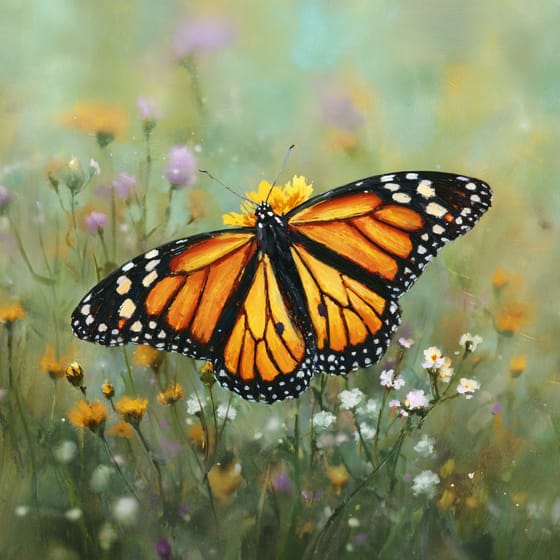
Danaus plexippus
collects nectar from its blooms
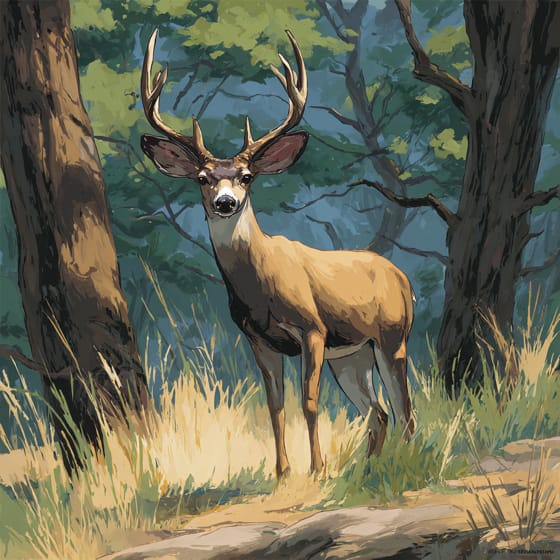
Odocoileus hemionus
browses on its leaves and stems
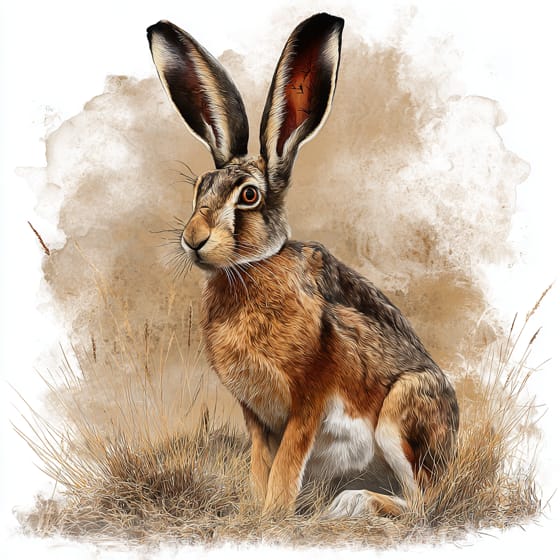
Lepus californicus
eats its foliage when available
Flowering plants are any plants that produce flowers as part of their reproductive cycle.
A shrub is a woody plant smaller than a tree, typically with multiple stems branching from or near the ground.
Summer blooming plants produce their flowers during the summer season, often providing vibrant color when many other plants have finished.
Medicinal plants possess chemical compounds that can be used for therapeutic purposes to treat illnesses or maintain health.

Drought-tolerant plants can survive and flourish in conditions with limited water availability.

Colorful describes organisms or objects displaying a wide range of bright and distinct colors.

Describes plants that are particularly attractive and beneficial to a wide range of pollinating organisms.

Desert habitats are arid regions characterized by extremely low precipitation and often extreme temperatures, supporting specialized flora and fauna.

Describes a species whose presence and role have a disproportionately large effect on its environment.
No aliases listed yet.
Danger
1/5 · Very low
Always look but don't touch plants without asking an adult.
The easiest way to identify James' Buckwheat is to use the Snappit nature identifier app.
15-45 cm
20-60 cm
0.2-0.5 cm
Summer-fall
No
None
Perennial
Zoom in to split clusters and explore where this object has been snapped.
Recent snaps will appear here as new observations are added.
Take the discovery with you
Snap it with Snappit to identify it, learn what makes it special, and add the discovery to your collection.








.jpg&width=800)



_001.jpg&width=800)




