





Chinese Ixora
ixora chinensis
The Chinese Ixora is a beautiful flowering plant that produces vibrant clusters of flowers. It is often found in gardens and adds a splash of color to any landscape!
Habitat: Gardens, tropical and subtropical areas.
The Chinese Ixora is a dense, evergreen shrub featuring glossy, dark green oval leaves. It boasts vibrant clusters of small, star-shaped flowers, typically brilliant red, orange, pink, or yellow, that create a striking rounded inflorescence.
Category
PlantsRarity
Common
Danger
0/5 · No known danger
Snaps
Be the first to snap!
In some cultures, its vibrant flowers are used for festive decorations!
Its tiny flowers grow together in giant domed bouquets!
Ixora chinensis is sometimes nicknamed the "Jungle Geranium"!
This plant is a popular choice for creating living garden hedges!
Chinese Ixora can thrive in full sun, having adapted its leaves to handle intense light, which helps it produce abundant blooms.
Its bright flower clusters produce nectar, attracting butterflies and bees, which helps it reproduce by spreading pollen.
Chinese Ixora has glossy, leathery leaves that stay green all year, helping it continue photosynthesis even in drier periods.
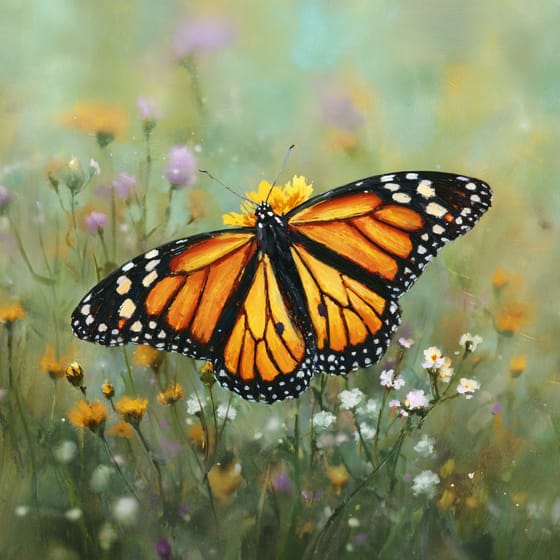
Danaus plexippus
Feeds on nectar, aiding reproduction.
Apis mellifera
Gathers nectar and pollen from flowers.
Papilio polytes
Visits flowers for nectar in its native range.
Herbaceous plants are non-woody plants with soft stems that typically die back to the ground at the end of the growing season.
Social animals live in organized groups, cooperating for survival benefits such as foraging, defense, and raising offspring.
Arboreal animals live primarily in trees, utilizing them for shelter, food, and protection from predators.
Colorful describes organisms or objects displaying a wide range of bright and distinct colors.

Describes organisms that transfer pollen, enabling the fertilization and reproduction of plants.
No aliases listed yet.
Danger
0/5 · No known danger
No special safety notes yet.
The easiest way to identify Chinese Ixora is to use the Snappit nature identifier app.
50-150 cm
50-150 cm
1-2 cm
Year-round, peaking in summer
No
None
Perennial
Zoom in to split clusters and explore where this object has been snapped.
Recent snaps will appear here as new observations are added.
Take the discovery with you
Snap it with Snappit to identify it, learn what makes it special, and add the discovery to your collection.









.jpg&width=800)



_001.jpg&width=800)




