





Choerades
Choerades
Choerades are fascinating insects known for their unique colors and patterns. They can be found in various habitats, and they play an important role in their ecosystems.
Habitat: Forests
The Choerades is a robust, often hairy fly with a distinctive 'beard' of stiff bristles (mystax) around its mouthparts. It has large, widely spaced compound eyes and a tapered abdomen, often mimicking bees or wasps with its coloration.
Category
InsectsRarity
Common
Danger
2/5 · Low
Snaps
Be the first to snap!
Choerades flies are like tiny fighter jets, capturing other flying insects right out of the sky!
Some Choerades species mimic bees or wasps, both in looks and sound, to avoid being eaten!
The bristles on their face shield their eyes from the struggles of their catches.
Their larvae are hidden underground, acting as tiny predators on other insect grubs.
Choerades can quickly ambush and capture other flying insects mid-air using its powerful, spiny legs.
Choerades has a 'mustache' of stiff bristles that helps protect its face and eyes from struggling prey.
Choerades can inject a powerful neurotoxin that quickly paralyzes its prey, making it easier to consume.
These fierce hunters catch other flying insects right out of the air!
Age differences: Larvae also hunt insect grubs underground.
Apis mellifera
A common prey item for many Choerades species.
Musca domestica
Frequently captured by Choerades for food.
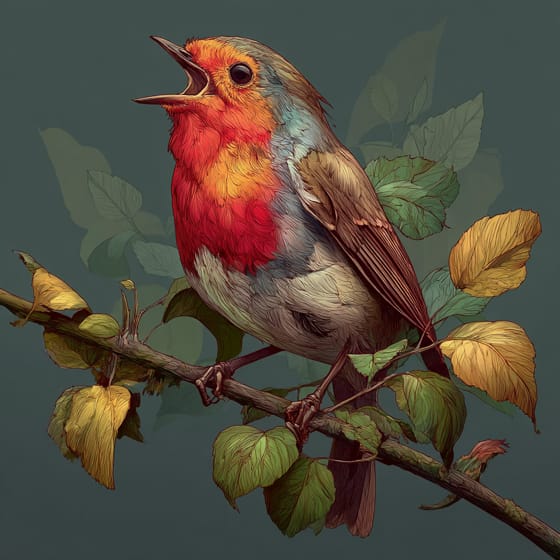
Turdus migratorius
Adult Choerades can become a meal for birds.
Solitary animals live alone for most of their lives, only interacting with others for mating or parental care.
Camouflaged describes organisms that possess coloring or patterns that allow them to blend into their environment.
Colorful describes organisms or objects displaying a wide range of bright and distinct colors.
Describes plants that are particularly attractive and beneficial to a wide range of pollinating organisms.

Forest habitats are terrestrial environments dominated by dense tree cover, supporting a high diversity of plant and animal life.

Diurnal animals are primarily active during daylight hours, typically resting or sleeping at night.

Poisonous organisms produce toxins that can cause harm when ingested, inhaled, or absorbed through contact.

Describes organisms that transfer pollen, enabling the fertilization and reproduction of plants.
No aliases listed yet.
Danger
2/5 · Low
Always look but don't touch insects unless you know they are safe.
The easiest way to identify Choerades is to use the Snappit nature identifier app.
20-60 mm
10-30 mm
14-60 days
40 km/h
These fierce hunters catch other flying insects right out of the air!
Forests
Ambush
Zoom in to split clusters and explore where this object has been snapped.
Recent snaps will appear here as new observations are added.
Take the discovery with you
Snap it with Snappit to identify it, learn what makes it special, and add the discovery to your collection.








.jpg&width=800)


