





Lyric Cicada
neotibicen lyricen
The Lyric Cicada is known for its amazing singing abilities! These insects create beautiful sounds that can be heard on warm summer days.
Habitat: Lyric Cicadas live in wooded areas and gardens where there are plenty of trees.
The Lyric Cicada has a dark body, often black or very dark brown, with distinct greenish-yellow markings. These bright accents are typically found on its pronotal collar and sometimes along the wing veins. Its wings are clear and transparent, and its back displays a faint but noticeable 'W' shaped pattern.
Category
InsectsRarity
Common
Danger
0/5 · No known danger
Snaps
3
Adult cicadas spend only a few weeks above ground, but they sure make a lot of noise!
Lyric Cicadas have tiny drum-like ears on their belly to hear their loud songs!
Their clear wings shimmer like cellophane, helping them fly unseen through the trees!
They shed their skin when they become adults, leaving behind a cool, empty shell!
Lyric Cicada has a strong, straw-like mouthpart that helps them drink nourishing sap from tree roots and branches throughout their life.
Lyric Cicada nymphs can live several years deep underground, safely feeding on tree root sap until they are ready to emerge.
Lyric Cicada has a dark body with unique patterns that helps them camouflage perfectly against tree bark, hiding from predators.
They drink tree sap using a straw-like mouth, like nature's juice boxes!
Age differences: Nymphs feed on sap from tree roots underground, while adults feed on sap from branches and stems.
Sphecius speciosus
This large wasp paralyzes cicadas to feed its young.
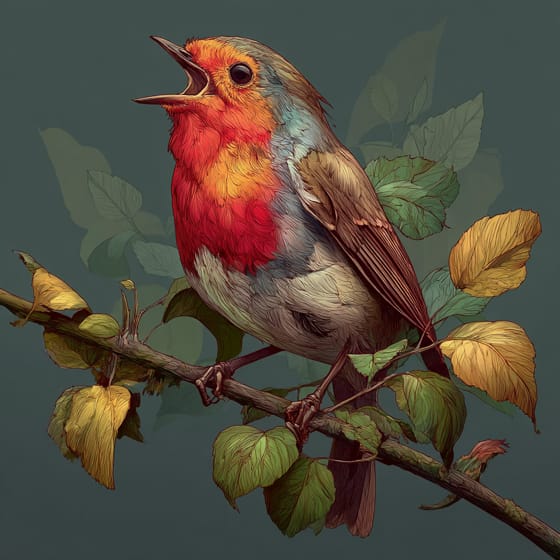
Turdus migratorius
Robins and other birds commonly prey on emerging and adult cicadas.
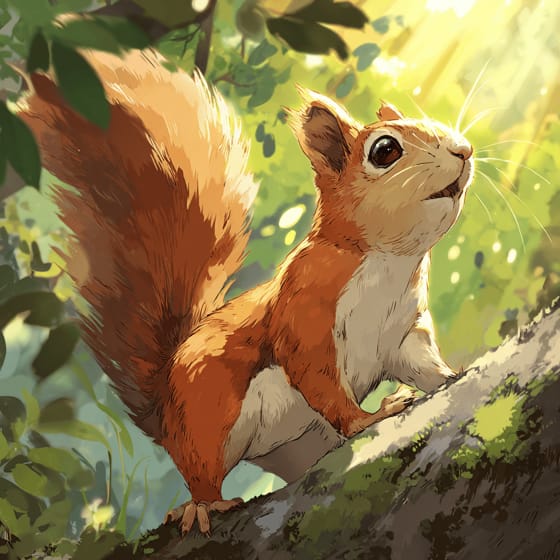
Sciurus carolinensis
Squirrels will sometimes snack on adult cicadas they find.

Quercus alba
Cicada nymphs and adults feed on the sap of oak trees.
Social animals live in organized groups, cooperating for survival benefits such as foraging, defense, and raising offspring.
Colorful describes organisms or objects displaying a wide range of bright and distinct colors.
Forest habitats are terrestrial environments dominated by dense tree cover, supporting a high diversity of plant and animal life.
Diurnal animals are primarily active during daylight hours, typically resting or sleeping at night.

Nocturnal animals are primarily active during the nighttime hours, typically resting or sleeping during the day.
Danger
0/5 · No known danger
No special safety notes yet.
The easiest way to identify Lyric Cicada is to use the Snappit nature identifier app.
50-70 mm
25-33 mm
15-30 days
7 km/h
They drink tree sap using a straw-like mouth, like nature's juice boxes!
Lyric Cicadas live in wooded areas and gardens where there are plenty of trees.
Foraging
Zoom in to split clusters and explore where this object has been snapped.
Jun 18, 2026

South Carolina, US
You might spot Eastern Pondhawk and Four-Spotted Pennant.
View guide →

Florida, US
You might spot Brown Anole, Green Treefrog, and Southern Toad.
View guide →
Virginia, US
You might spot Brambles, Redbud Tree, and American Pokeweed.
View guide →
Take the discovery with you
Snap it with Snappit to identify it, learn what makes it special, and add the discovery to your collection.








.jpg&width=800)


