





Choristoneura
Choristoneura
Choristoneura is a type of moth that can be found in many places. They have beautiful wings and are important for nature because they help pollinate flowers.
Habitat: Forests
The Choristoneura moth has mottled wings, typically grey-brown with darker spots or bands, which form a bell-shape when at rest. Its body is stout and covered in fine hairs. This camouflage helps it blend seamlessly with tree bark.
Category
InsectsRarity
Common
Danger
1/5 · Very low
Snaps
Be the first to snap!
A single outbreak can strip millions of acres of forest bare!
Some moth species mimic their bark background perfectly for camouflage.
Their populations explode every few decades, causing huge forest changes.
They spend almost a year as tiny caterpillars, hidden and growing.
Choristoneura larvae can devour conifer needles, causing widespread tree damage and altering forest ecosystems.
Newly hatched larvae produce fine silk threads to catch the wind, allowing them to disperse to new trees.
Young larvae overwinter in tiny silken shelters (hibernacula) on trees, surviving harsh cold until spring.
Choristoneura has populations that can explode, sometimes stripping millions of acres of forest.
Young caterpillars eat the needles of conifer trees.
Age differences: Adults do not feed; larvae are voracious defoliators of tree needles.
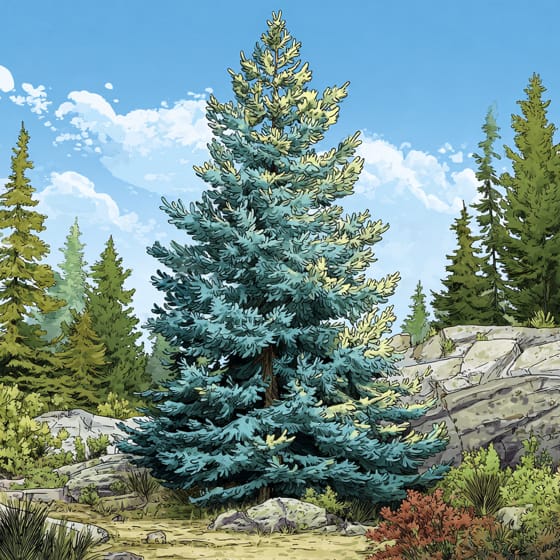
Picea glauca
Larvae defoliate needles, causing stress and mortality to trees.
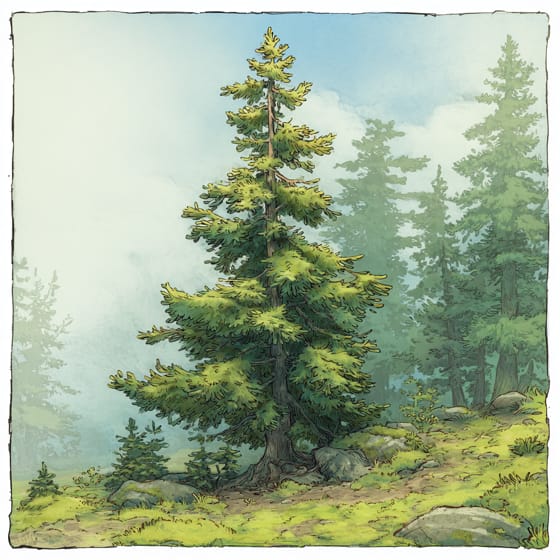
Abies balsamea
Highly preferred host, experiencing severe defoliation during outbreaks.

Dendroica tigrina
Bird populations surge during budworm outbreaks, feeding on larvae.
Glypta fumiferanae
A parasitic wasp that lays its eggs inside budworm larvae.
Picoides arcticus
Feeds on larvae and pupae within the bark of infested trees.
Solitary animals live alone for most of their lives, only interacting with others for mating or parental care.
Camouflaged describes organisms that possess coloring or patterns that allow them to blend into their environment.
Colorful describes organisms or objects displaying a wide range of bright and distinct colors.
This trait characterizes organisms whose diet consists entirely or primarily of plant material.

Describes plants that are particularly attractive and beneficial to a wide range of pollinating organisms.

Forest habitats are terrestrial environments dominated by dense tree cover, supporting a high diversity of plant and animal life.

Nocturnal animals are primarily active during the nighttime hours, typically resting or sleeping during the day.

Describes organisms that transfer pollen, enabling the fertilization and reproduction of plants.
No aliases listed yet.
Danger
1/5 · Very low
Moths are usually harmless, but it's best to watch them from a distance.
The easiest way to identify Choristoneura is to use the Snappit nature identifier app.
20-30 mm
10-15 mm
10-14 days
Young caterpillars eat the needles of conifer trees.
Forests
Foraging
6
Zoom in to split clusters and explore where this object has been snapped.
Recent snaps will appear here as new observations are added.
Take the discovery with you
Snap it with Snappit to identify it, learn what makes it special, and add the discovery to your collection.








.jpg&width=800)


