





Chrysaster ostensackenella
Chrysaster ostensackenella
Chrysaster ostensackenella is a small, colorful moth that flutters around gardens and fields. Its bright colors help it blend in with flowers, making it a delightful sight for nature lovers!
Habitat: Gardens and fields
The Chrysaster ostensackenella is a tiny moth with a white head and shiny, golden-bronze forewings. These wings are adorned with distinctive silvery-white bands and a contrasting black spot near the tip. Its narrow, fringed wings make it stand out from most larger moths.
Category
InsectsRarity
Common
Danger
1/5 · Very low
Snaps
Be the first to snap!
Baby moths live *inside* leaves, safe from many hungry critters!
Its wings sparkle like tiny jewels, reflecting light in a dazzling display!
The moth's name honors Baron Osten Sacken, a famous insect scientist!
These tiny flying wonders are smaller than a pencil eraser!
Chrysaster ostensackenella larvae can tunnel precisely inside maple leaves, creating a protective home and food source. This shields them from predators.
This moth has dazzling metallic golden-bronze wings that reflect light, helping it blend in with sun-dappled foliage and evade hungry eyes.
Chrysaster ostensackenella can complete its life cycle quickly, allowing multiple generations to hatch and thrive within a single warm season.
Larvae munch on maple leaves from the inside, while adults sip sweet flower nectar.
Age differences: Larvae feed exclusively on plant leaves, but adults shift to sipping flower nectar.

Acer saccharum
Larvae tunnel and feed within its leaves.
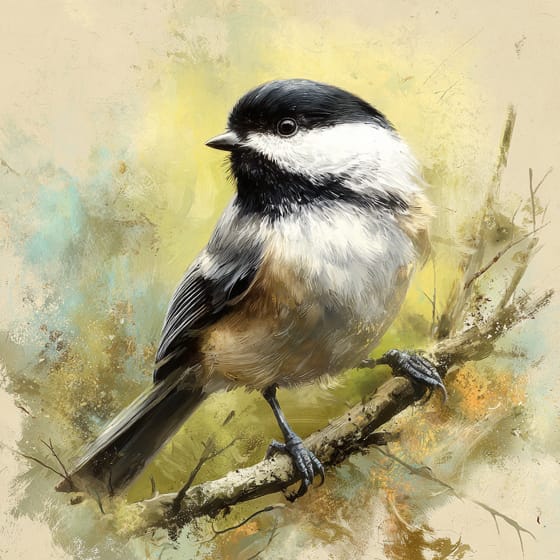
Poecile atricapillus
A small bird that often preys on moths and larvae.
Cotesia congregata
Female wasps lay eggs on larvae, which then grow inside.
Solitary animals live alone for most of their lives, only interacting with others for mating or parental care.
Colorful describes organisms or objects displaying a wide range of bright and distinct colors.
Grassland habitats are terrestrial biomes dominated by grasses and herbaceous plants, supporting a variety of grazing animals.
This trait characterizes organisms whose diet consists entirely or primarily of plant material.

Describes plants that are particularly attractive and beneficial to a wide range of pollinating organisms.

Nocturnal animals are primarily active during the nighttime hours, typically resting or sleeping during the day.

Describes organisms that transfer pollen, enabling the fertilization and reproduction of plants.
No aliases listed yet.
Danger
1/5 · Very low
Moths are gentle creatures, but it's best to watch them from a distance.
The easiest way to identify Chrysaster ostensackenella is to use the Snappit nature identifier app.
4-6 mm
4-6 mm
3-7 days
Larvae munch on maple leaves from the inside, while adults sip sweet flower nectar.
Gardens and fields
Foraging
6
Zoom in to split clusters and explore where this object has been snapped.
Recent snaps will appear here as new observations are added.
Take the discovery with you
Snap it with Snappit to identify it, learn what makes it special, and add the discovery to your collection.







.jpg&width=800)



