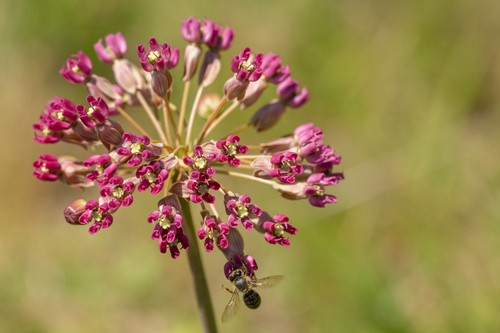


Clasping Milkweed
asclepias amplexicaulis
Clasping Milkweed (Asclepias amplexicaulis) is an enchanting, perennial wildflower native to the eastern and central regions of North America. Renowned for its unique structural elegance, this plant stands out among the milkweeds due to its distinctive leaves, which clasp the stout, solitary stem directly without any leaf stalks. It thrives in dry, nutrient-poor sandy soils where many other plants struggle, such as pine barrens, sand dunes, and open woodlands. Beyond its architectural beauty, Clasping Milkweed plays a crucial role in local ecosystems by offering high-quality nectar to a wide variety of native pollinators, including bumblebees and butterflies. It serves as a vital larval host plant for the iconic Monarch butterfly, which relies on the plant's chemical defenses to protect its offspring from predators. For nature enthusiasts, spotting this plant's delicate, spherical cluster of pinkish-purple flowers in a sandy clearing is a rewarding highlight of the late spring and early summer seasons.
Habitat: Found in dry, open habitats with sandy or gravelly soils, such as pine barrens, oak savannas, old fields, and coastal sand dunes.
This perennial herb typically grows 30 to 100 cm tall from a single, unbranched, glaucous stem. It is easily identified by its opposite, oblong-to-ovate leaves that are highly wavy along the margins, have prominent pinkish-red veins, and clasp the stem tightly at their bases. The leaves have a distinctly pale, bluish-green hue. In late spring, a single, globose cluster of 10 to 40 flowers blooms at the very top of the stem. The individual flowers have reflexed, greenish-purple petals and pale pinkish-to-rose crowns, giving the entire inflorescence a striking, dusty-rose coloration.
Category
PlantsRarity
Common
Danger
1/5 · Very low
Snaps
3
The seeds are attached to silky white floss, which was gathered during World War II by children in North America to fill military life preservers.
The species name 'amplexicaulis' translates directly from Latin as 'clasping the stem,' highlighting the plant's most identifying feature.
Unlike most other native milkweeds that feature multiple flower clusters along the stem, Clasping Milkweed almost always produces just a single, terminal flower ball.
Produces toxic cardiac glycosides within its milky white sap, making it highly unpalatable and poisonous to most herbivorous insects and mammals.
Utilizes a deep, woody taproot system and a waxy, glaucous coating on its leaves to reduce water loss and survive in arid, sandy soils.
The stalkless, clasping leaves act as natural funnels that direct morning dew and rainwater straight down the stem to the root system.
As a photosynthetic plant, it manufactures its own organic compounds from sunlight, carbon dioxide, and water while absorbing minerals through its root system.
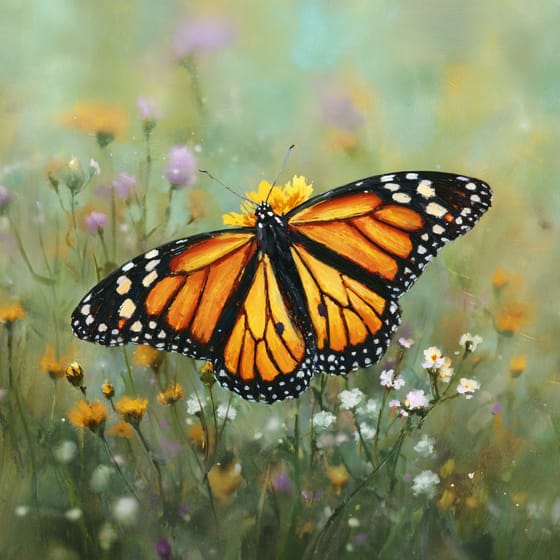
Danaus plexippus
The caterpillar of this butterfly feeds exclusively on milkweed leaves, sequestering toxins to become poisonous to predators.
.jpg&width=800)
Tetraopes tetrophthalmus
Adult beetles feed on the foliage and buds, having adapted to tolerate and store the plant's toxic cardiac glycosides.
Bombus pensylvanicus
These insects are major pollinators of the flowers, collecting nectar while accidentally picking up pollen sacs (pollinia).
No trait badges are assigned for this object yet.
No aliases listed yet.
Collections for this object will appear here as more themes are added.
Danger
1/5 · Very low
No special safety notes yet.
The easiest way to identify Clasping Milkweed is to use the Snappit nature identifier app.
30-100 cm
0.1-0.4 kg
5-15 years
As a photosynthetic plant, it manufactures its own organic compounds from sunlight, carbon dioxide, and water while absorbing minerals through its root system.
Found in dry, open habitats with sandy or gravelly soils, such as pine barrens, oak savannas, old fields, and coastal sand dunes.
Photosynthesis
Zoom in to split clusters and explore where this object has been snapped.

South Carolina, US
You might spot American Alligator, Anole, and Great Blue Heron.
View guide →

Connecticut, US
You might spot American Robin, Eastern Poison Ivy, and Duck.
View guide →

Georgia, US
You might spot Strawberry Bush, Fire Pink, and Red Salamander.
View guide →

Illinois, US
You might spot Common Eastern Bumble Bee, Baltimore Oriole, and Monarch.
View guide →
Take the discovery with you
Snap it with Snappit to identify it, learn what makes it special, and add the discovery to your collection.











.jpg&width=800)



_001.jpg&width=800)




