





Scarlet Beeblossom
oenothera suffrutescens
The Scarlet Beeblossom is a bright red flower that attracts many pollinators! Its vibrant color can brighten up any garden or field.
Habitat: They grow in sunny fields, meadows, and along roadsides.
The Scarlet Beeblossom has slender, upright stems with narrow, green leaves. Its vivid, four-petaled flowers open in a striking scarlet-orange, often fading to a rosy pink as they age, making them distinct from common yellow evening primroses.
Category
PlantsRarity
Common
Danger
0/5 · No known danger
Snaps
3
Indigenous peoples traditionally ate the roots and leaves, and also used them as medicine!
Its scientific name, Oenothera, amazingly means "donkey catcher" in ancient Greek!
Some call it "Firewheel Flower" because its petals spread out like a spinning fiery wheel!
The brilliant flowers can signal to pollinators that a tasty nectar treat awaits them inside!
Scarlet Beeblossom can open its bright flowers at dusk, helping it attract night-flying pollinators like moths.
Scarlet Beeblossom has flowers that change color from scarlet-orange to pink, which might signal different stages to pollinators.
Scarlet Beeblossom can thrive in dry, sandy soils, allowing it to survive harsh conditions where other plants struggle.
Manduca sexta
sips nectar from its evening blooms
Bombus impatiens
collects pollen and nectar during daylight hours
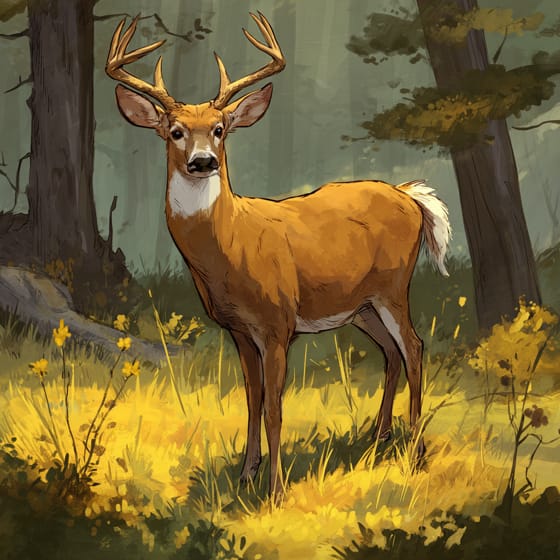
Odocoileus virginianus
browses on its leaves and stems in summer
Solitary animals live alone for most of their lives, only interacting with others for mating or parental care.
Colorful describes organisms or objects displaying a wide range of bright and distinct colors.
This trait characterizes organisms whose diet consists entirely or primarily of plant material.
Diurnal animals are primarily active during daylight hours, typically resting or sleeping at night.

Describes organisms that transfer pollen, enabling the fertilization and reproduction of plants.
Danger
0/5 · No known danger
No special safety notes yet.
The easiest way to identify Scarlet Beeblossom is to use the Snappit nature identifier app.
30-90 cm
30-60 cm
2.5-5 cm
Late spring to fall
Yes
None
Perennial
Zoom in to split clusters and explore where this object has been snapped.

Colorado, US
You might spot Common Starlily and Wholeleaf Paintbrush.
View guide →

Montana, US
You might spot Spotted Knapweed, Great Mullein, and Nodding Onion.
View guide →

New Mexico, US
You might spot Black-Billed Magpie and Gunnison's Prairie Dog.
View guide →

New Mexico, US
You might spot Black-Billed Magpie and Gunnison's Prairie Dog.
View guide →
South Dakota, US
You might spot Bighorn Sheep and Narrow-Leaved Purple Coneflower.
View guide →
Take the discovery with you
Snap it with Snappit to identify it, learn what makes it special, and add the discovery to your collection.









.jpg&width=800)



_001.jpg&width=800)




