





Clouded Skipper
Lerema accius
The Clouded Skipper is a small butterfly with beautiful orange and brown wings. They love to flutter around flowers and are often seen in sunny places.
Habitat: Grasslands
The Clouded Skipper is a small, stout-bodied butterfly with dark brown wings, often appearing as a blurry streak due to its rapid flight. Males have a distinct dark, oblong scent patch on their forewings, while females exhibit a few small, translucent spots. Its muted coloring helps it blend seamlessly into grassy environments.
Category
InsectsRarity
Common
Danger
1/5 · Very low
Snaps
2
Clouded Skippers can emerge as adults even during warm spells in winter in southern regions!
Its caterpillars hide safely inside rolled-up grass blades, like tiny leafy sleeping bags!
Male Clouded Skippers use special scent scales to attract mates, like a secret perfume!
They are so fast and erratic in flight, they are famously hard for bird predators to catch!
Clouded Skipper can dart and weave swiftly because of its powerful wing muscles that help it escape predators with incredible speed.
Clouded Skipper has cryptic dark brown coloration that helps it blend perfectly into its grassy habitats, making it hard to spot.
Clouded Skipper has a long, coiled proboscis that helps it reach deep into flowers to access sugary nectar, providing vital energy.
Clouded Skippers sip sweet nectar from various flowers as adults, and their caterpillars munch on grasses.
Age differences: Larvae eat grass leaves, while adults exclusively drink flower nectar.
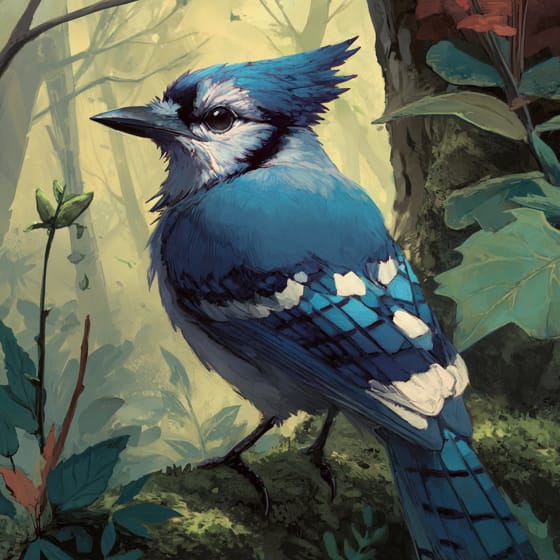
Cyanocitta cristata
A common bird that preys on many insects.
Argiope aurantia
Weaves large webs to catch flying insects.

Trifolium repens
Helps transfer pollen while collecting nectar.
Digitaria ischaemum
Its caterpillars feed on the leaves of this grass.
Colorful describes organisms or objects displaying a wide range of bright and distinct colors.
Grassland habitats are terrestrial biomes dominated by grasses and herbaceous plants, supporting a variety of grazing animals.
This trait characterizes organisms whose diet consists entirely or primarily of plant material.
Describes plants that are particularly attractive and beneficial to a wide range of pollinating organisms.

Diurnal animals are primarily active during daylight hours, typically resting or sleeping at night.

This trait identifies organisms that exhibit exceptional swiftness in movement for hunting, escape, or travel.

Describes organisms that transfer pollen, enabling the fertilization and reproduction of plants.
No aliases listed yet.
Danger
1/5 · Very low
It's best to watch butterflies from a distance so they don't get scared.
The easiest way to identify Clouded Skipper is to use the Snappit nature identifier app.
29-37 mm
10-15 mm
10-20 days
20 km/h
Clouded Skippers sip sweet nectar from various flowers as adults, and their caterpillars munch on grasses.
Grasslands
Foraging
Zoom in to split clusters and explore where this object has been snapped.

Arkansas, US
You might spot Green Treefrog, Blue-Fronted Dancer, and Question Mark.
View guide →

South Carolina, US
You might spot Gulf Fritillary, Poey's Furrow Bee, and Anole.
View guide →

South Carolina, US
You might spot Fiery Skipper, Clouded Skipper, and Carolina Satyr.
View guide →
Take the discovery with you
Snap it with Snappit to identify it, learn what makes it special, and add the discovery to your collection.






.jpg&width=800)



