





Coast Fawn Lily
Erythronium revolutum
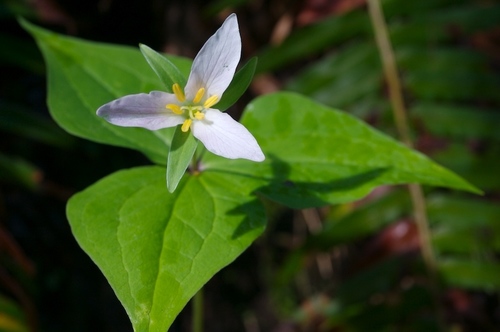
The Coast Fawn Lily is a beautiful flower that blooms in spring. Its lovely white to pink petals look like little stars peeking out from the ground, making nature feel magical!
Habitat: Forests
The Coast Fawn Lily has delicate, nodding, bell-shaped flowers with recurved petals, often appearing in soft shades of pink, rose-purple, or pure white. Its distinctive, glossy green leaves are mottled with maroon or brown patterns, resembling a fawn's spots.
Category
PlantsRarity
Common
Danger
1/5 · Very low
Snaps
Be the first to snap!
It's a slow grower; a bulb can take many years to finally produce its first flower!
Its bulbs can be found buried deep in the soil, sometimes over 30 cm down!
Some call it 'Trout Lily' because its speckled leaves resemble a trout's skin!
The delicate flowers droop downwards, protecting their precious pollen from rain!
Coast Fawn Lily can store energy in a deep underground bulb, helping it survive harsh winters and dry summers.
Coast Fawn Lily has mottled leaves that help it blend into the dappled light of the forest floor, hiding from hungry creatures.
Coast Fawn Lily can bloom very early in spring, getting sunlight before taller trees leaf out and shade the forest floor.
Bombus melanopygus
collects nectar and pollen, aiding reproduction
Bombus mixtus
helps spread pollen for new seeds
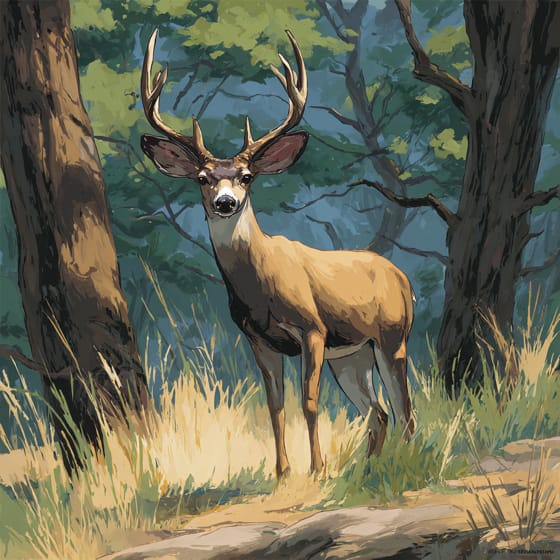
Odocoileus hemionus
browses on leaves and flowers in spring
Deciduous plants periodically shed all their leaves, typically during autumn or dry seasons.
Flowering plants are any plants that produce flowers as part of their reproductive cycle.
Shade tolerant plants are adapted to grow and thrive in areas with low light levels, requiring less direct sunlight.
Spring blooming plants produce their flowers during the spring season, often signifying the end of winter and the start of new growth.

Fragrant flowers emit a pleasant aroma, often to attract pollinators or for defense.

Colorful describes organisms or objects displaying a wide range of bright and distinct colors.

Describes plants that are particularly attractive and beneficial to a wide range of pollinating organisms.

Forest habitats are terrestrial environments dominated by dense tree cover, supporting a high diversity of plant and animal life.
No aliases listed yet.
Danger
1/5 · Very low
Always look but don't touch flowers without asking an adult first.
The easiest way to identify Coast Fawn Lily is to use the Snappit nature identifier app.
15-40 cm
3-6 cm
Spring
No
Mild
Perennial
Insect
Zoom in to split clusters and explore where this object has been snapped.
Recent snaps will appear here as new observations are added.
Take the discovery with you
Snap it with Snappit to identify it, learn what makes it special, and add the discovery to your collection.






.jpg&width=800)


_001.jpg&width=800)



