Banana Slug
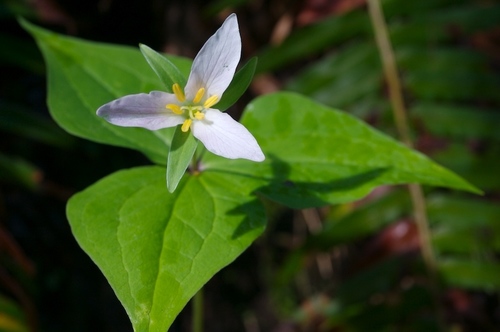
Nitinat River Provincial Park is a cherished gem nestled within the lush rainforests of Vancouver Island, British Columbia.
Nitinat River Provincial Park is a cherished gem nestled within the lush rainforests of Vancouver Island, British Columbia. This wilderness park offers a truly serene escape, where towering old-growth Douglas fir and Western hemlock trees create a cathedral-like canopy, and the captivating Nitinat River carves its way through the landscape, forming spectacular falls and tranquil, deep pools. It's a place where the wild heart of British Columbia beats strong, offering a pristine glimpse into one of the province's most ecologically diverse environments.
The park is a haven for both flora and fauna, boasting an ecological significance as a vital wildlife corridor. Visitors might spot an American Black Bear fishing in the river or a Common Merganser gracefully navigating the waters. The forest floor comes alive with a vibrant array of plant life, including the delicate Pacific trillium, the elegant Coast Fawn Lily, and the robust western sword fern. Keep an eye out for rare and endangered plant species such as Scouler's Corydalis, which finds protection within the park's boundaries.
Visiting Nitinat River Provincial Park is an opportunity to disconnect and immerse yourself in an unspoiled natural setting. The rhythmic flow of the river, the ancient embrace of the forest, and the chance to witness wildlife in their natural habitat create a memorable experience. Whether you're seeking peaceful contemplation, adventurous exploration, or stunning photographic opportunities of both grand landscapes and intricate species like the Pacific Banana Slug or a Pacific chorus frog, this park delivers an authentic and profound connection to nature. Don't forget to bring the Snappit nature identification app along to scan local species.
Nitinat River Provincial Park was established on April 30, 1996, with the primary goal of protecting the rich temperate rainforest and riparian habitats on the west coast of Vancouver Island. Spanning 160 hectares, the park specifically safeguards critical spawning grounds for various salmon and steelhead species within the Nitinat River system. Its creation underscored a commitment to preserving the natural values of this unique ecosystem, including old-growth forests and habitats for rare and endangered plant species.
Hiking: Explore roughed-in trails leading to waterfalls, spawning pools, and swimming holes.
Nature Observation & Photography: Capture the lush rainforest, diverse flora like deer fern and licorice fern, and wildlife such as Western Toad, Pacific Wren, and American Red Squirrel.
Fishing: The Nitinat River is renowned for steelhead (summer and winter runs), salmon (chum, coho, Chinook), and cutthroat trout, particularly around the Nitinat River Bridge Pool.
Wilderness Camping: Random wilderness camping is allowed; follow Leave No Trace ethics.
Swimming & Paddling: Enjoy the clear waters of the river, especially during summer.
Active logging roads provide access, so caution is advised year-round; logging trucks have the right of way. Trails can be muddy, especially in spring and fall. Salmon runs in autumn attract bears, requiring wildlife safety precautions.
Nitinat River Provincial Park is a wilderness park with minimal facilities. There are no developed camping or day-use facilities. Access is via active logging roads, which can be rough, and visitors should carry a full-sized spare tire. While some roads are suitable for most vehicles, higher clearance or 4WD might be beneficial, especially in wet conditions. The banks along the river are steep in sections, presenting hazards.
Witness the river's stunning cascades and deep, clear pools.
An accessible open stretch of the river with a floodplain, gravel bars, and mature forests, popular for fishing and swimming.
Explore trails through ancient Douglas fir and Western hemlock, some over 800 years old.
Each card links to a full Explore page with photos, traits, and fun facts.
Start with the big picture, then zoom in to explore individual wildlife observations around this place.
Arrive Early
Visit on weekday mornings (before 9 am) to avoid crowds and secure prime river access points, especially during summer.
Dress in Layers & Waterproof Gear
The coastal rainforest climate means conditions can change rapidly. Wear waterproof hiking boots, as trails can be muddy year-round, and bring layered clothing.
Pack Self-Sufficiently
There are no services or facilities within the park. Bring all your food, water, and essential supplies.
Practice Leave No Trace
If wilderness camping or exploring, pack out everything you pack in to help preserve the park's pristine natural state. Fires are not permitted; bring a portable stove for cooking.
Be Wildlife Aware
The park is home to American Black Bears and Roosevelt Elk. Carry bear spray, know bear safety protocols, and observe wildlife from a safe distance. Dogs must be on a leash and are not suitable for backcountry areas due to wildlife concerns.
Drive with Caution
Access is via active logging roads where logging trucks have priority. Drive slowly, use pullouts, and consider carrying a full-sized spare tire.
Apr 23, 2024

Maryland, US
You might spot White-Tailed Deer and Eastern Gray Squirrel.
View guide →
.jpg)
District of Columbia, US
You might spot Eastern Gray Squirrel, Duck, and House Sparrow.
View guide →

Illinois, US
You might spot American Robin, Canada Goose, and House Sparrow.
View guide →

Virginia, US
You might spot Spotted Lanternfly and Northern Cardinal.
View guide →
Take the discovery with you
Identify the wildlife you spot, learn as you go, and keep a collection of the adventure.