





Cochranella granulosa
Cochranella granulosa
The Cochranella granulosa is a small, colorful frog that loves to live in wet places like rainforests. It has a special ability to change its color to blend in with its surroundings, making it a little magician of the jungle!
Habitat: Rainforests
The Cochranella granulosa is a small, vibrant green frog with a distinct granular texture on its back and often small, pale spots. Its most striking feature is its transparent belly, allowing a clear view of its internal organs. A white stripe typically outlines the edges of its limbs.
Category
AmphibiansRarity
Common
Danger
1/5 · Very low
Snaps
Be the first to snap!
These frogs lay their eggs on leaves hanging right over fast-flowing streams!
They are mostly active at night when the forest is cool and damp.
Through their clear skin, you can actually see their tiny heart beating!
When the tadpoles hatch, they wriggle and drop straight into the water below!
Cochranella granulosa has see-through skin on its belly that helps it blend into leafy backgrounds, making it harder for predators to spot.
Cochranella granulosa males guard their egg clutches on leaves, protecting them from hungry insects until tadpoles hatch.
Cochranella granulosa can climb high on leaves and branches using special pads on its fingers and toes, allowing it to live safely above ground.
Tiny glass frogs munch on small bugs like crickets and flies for their meals.
Age differences: Tadpoles primarily feed on algae and detritus in the water, switching to insects as adults.
Leptophis ahaetulla
Fast, slender snakes are known predators of these small tree frogs.
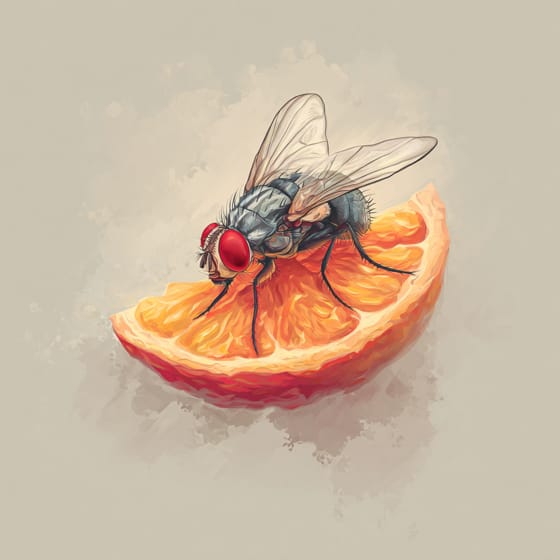
Drosophila melanogaster
The frog actively hunts small flies and other tiny invertebrates.
Anolis biporcatus
Arboreal lizards may occasionally consume small frogs they encounter.
Solitary animals live alone for most of their lives, only interacting with others for mating or parental care.
Camouflaged describes organisms that possess coloring or patterns that allow them to blend into their environment.
Colorful describes organisms or objects displaying a wide range of bright and distinct colors.
This trait identifies organisms whose diet primarily consists of insects and other small invertebrates.
This habitat trait refers to species found in tropical rainforests, characterized by high annual rainfall, high biodiversity, and dense tree cover.

Pertaining to species that are significantly smaller than typical or average for their kind.

Toxic organisms contain substances that are poisonous and can cause adverse effects upon exposure.

Nocturnal animals are primarily active during the nighttime hours, typically resting or sleeping during the day.

Endangered status indicates a species is at a very high risk of extinction in the wild in the near future.
No aliases listed yet.
Danger
1/5 · Very low
Don't touch wild frogs; they can be very delicate and might not like it.
The easiest way to identify Cochranella granulosa is to use the Snappit nature identifier app.
1.9-3.1 cm
0.001-0.005 kg
2-5 years
1 km/h
Tiny glass frogs munch on small bugs like crickets and flies for their meals.
Rainforests
Ambush
Zoom in to split clusters and explore where this object has been snapped.
Recent snaps will appear here as new observations are added.
Take the discovery with you
Snap it with Snappit to identify it, learn what makes it special, and add the discovery to your collection.







.JPG&width=800)


.jpg&width=800)

