





Purple Phacelia
Phacelia bipinnatifida
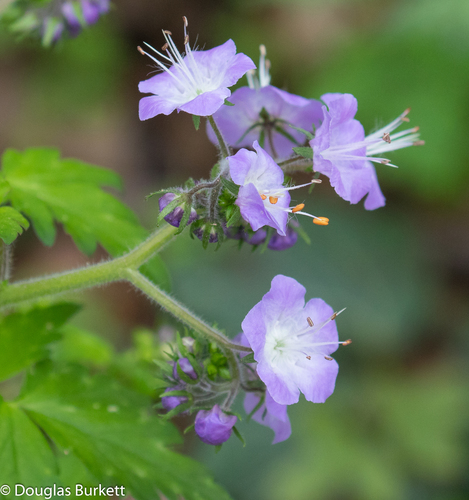
Purple Phacelia is a beautiful flower with lovely purple petals. It blooms in spring and attracts many bees and butterflies, making gardens colorful and lively!
Habitat: Grasslands
The Purple Phacelia has striking, deeply lobed green leaves and vibrant lavender-purple, bell-shaped flowers arranged in one-sided coiled clusters. Its blossoms feature prominent stamens that extend beyond the petals, giving them a fuzzy appearance.
Category
PlantsRarity
Common
Danger
1/5 · Very low
Snaps
5
It's a fast grower, often germinating and blooming all within a single spring season!
Its name, Phacelia, comes from a Greek word meaning 'bundle,' for its clustered flowers!
The Purple Phacelia's flower stalks uncurl like a fern fiddlehead as new flowers open!
This plant is sometimes grown by farmers as a 'green manure' to improve soil health naturally.
Purple Phacelia can produce abundant nectar that helps it attract many busy insect pollinators for reproduction.
Purple Phacelia has unique one-sided coiled flower stalks that help it showcase many blooms at once.
Purple Phacelia can self-seed readily, helping it spread and establish new plants easily in suitable areas.
Apis mellifera
Collects nectar and pollen

Bombus impatiens
Feeds on nectar, aiding pollination
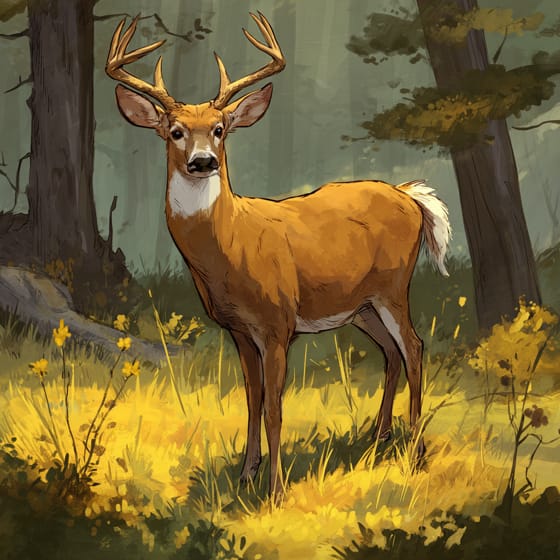
Odocoileus virginianus
Browses on leaves and stems
Bell-shaped flowers possess petals fused or arranged to form a cup-like or campanulate structure resembling a bell.
Flowering plants are any plants that produce flowers as part of their reproductive cycle.
Spring blooming plants produce their flowers during the spring season, often signifying the end of winter and the start of new growth.
Fragrant flowers emit a pleasant aroma, often to attract pollinators or for defense.

Drought-tolerant plants can survive and flourish in conditions with limited water availability.

Colorful describes organisms or objects displaying a wide range of bright and distinct colors.

Grassland habitats are terrestrial biomes dominated by grasses and herbaceous plants, supporting a variety of grazing animals.

Describes plants that are particularly attractive and beneficial to a wide range of pollinating organisms.
No aliases listed yet.
Danger
1/5 · Very low
Always look but don't touch flowers unless you're with an adult.
The easiest way to identify Purple Phacelia is to use the Snappit nature identifier app.
30-60 cm
20-30 cm
0.5-1.5 cm
Spring to early summer
No
None
Annual
Zoom in to split clusters and explore where this object has been snapped.

Tennessee, US
You might spot American Robin, Northern Cardinal, and Eastern Chipmunk.
View guide →

Tennessee, US
You might spot American Robin and Eastern Gray Squirrel.
View guide →

Indiana, US
You might spot Bloodroot, Garlic Mustard, and Eastern Poison Ivy.
View guide →
Kentucky, US
You might spot Purple Phacelia, Eastern Newt, and American Cancer-Root.
View guide →
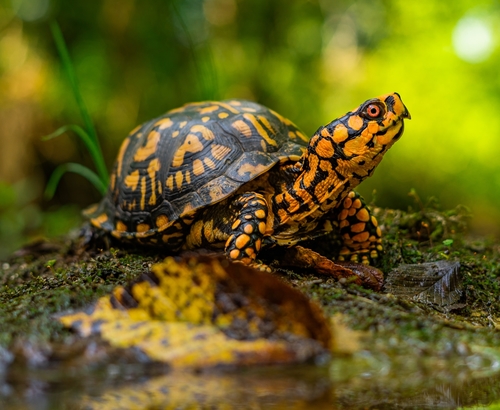
Indiana, US
You might spot Eastern Box Turtle, American Beech, and Common Coral Slime.
View guide →

Alabama, US
You might spot Common Eastern Bumble Bee and Eastern Carpenter Bee.
View guide →
Take the discovery with you
Snap it with Snappit to identify it, learn what makes it special, and add the discovery to your collection.








.jpg&width=800)


_001.jpg&width=800)




