





California Thrasher
Toxostoma redivivum
The California Thrasher is a lively bird known for its long tail and curved beak. It loves to sing and can be found hopping around in bushes and shrubs, making it a delightful sight in nature!
Habitat: Shrublands
The California Thrasher is a large, slender songbird with a distinctive, long, strongly decurved bill. It has a plain grayish-brown plumage overall, with a slightly paler cinnamon-buff belly and undertail coverts, making it visually distinct from many smaller, straighter-billed songbirds.
Category
BirdsRarity
Common
Danger
1/5 · Very low
Snaps
3
California Thrashers use their strong legs to 'thrasher run' quickly across the ground!
Its incredible song can include over 50 different types of sounds!
This bird builds its nest low in dense shrubs, keeping eggs super safe!
Unlike most birds, they sing year-round, even in the middle of winter!
California Thrasher has a complex vocal repertoire that allows them to mimic other birds' calls, which helps them defend territory or attract mates.
California Thrasher can move silently through dense chaparral because of its slender body and agility, helping them avoid predators.
California Thrasher has strong legs and feet that allow them to scratch and run swiftly on the ground while foraging for food.
They mostly eat insects, spiders, and other small creatures, but also enjoy seeds and berries.
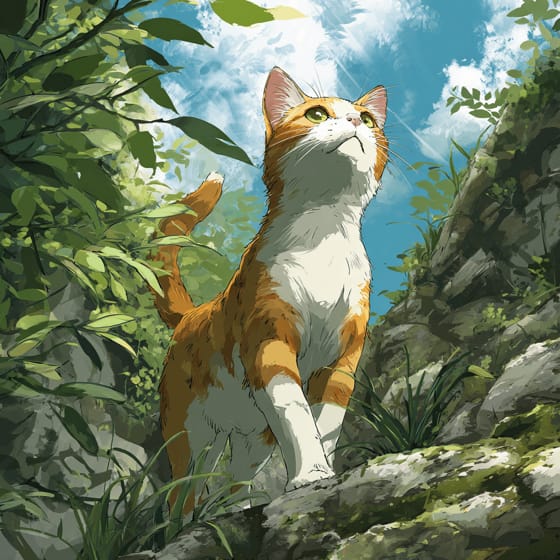
Felis catus
Hunted by domestic cats, especially near human homes.
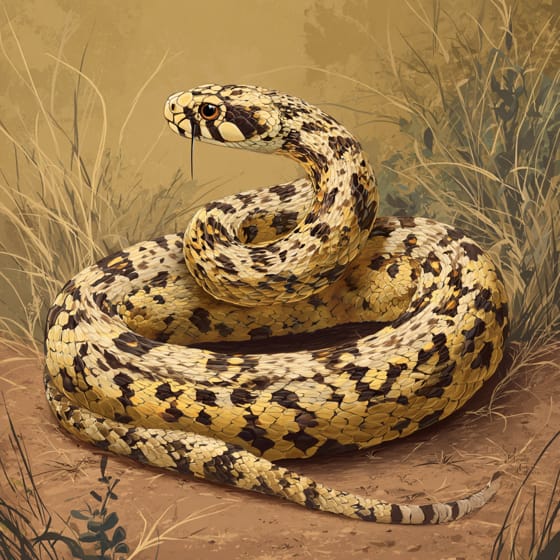
Pituophis catenifer
Nestlings and eggs are vulnerable to gopher snakes.
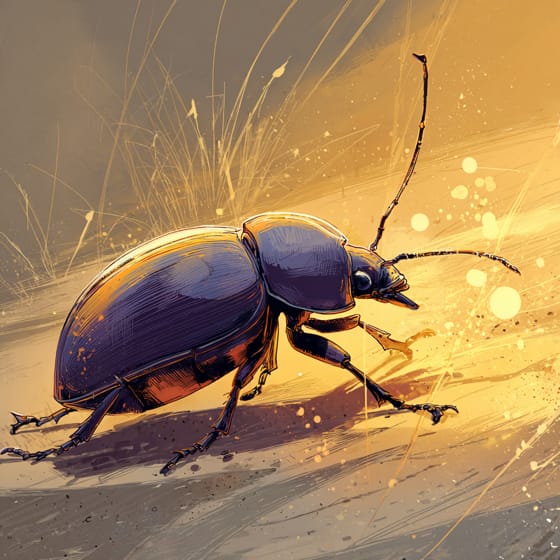
Eleodes carbonaria
Preys on various ground-dwelling insects like this beetle.
Ceanothus impressus
Builds nests in dense shrubs like the California lilac.

Heteromeles arbutifolia
Consumes berries from chaparral plants like toyon.
Feathered describes animals, primarily birds, possessing a covering of feathers.
Singing animals produce complex vocalizations, often for purposes of attracting mates, defending territory, or communicating within their species.
This trait identifies organisms whose diet primarily consists of insects and other small invertebrates.
Diurnal animals are primarily active during daylight hours, typically resting or sleeping at night.
No aliases listed yet.
Danger
1/5 · Very low
Enjoy watching birds from a distance and be quiet so you don't scare them away.
The easiest way to identify California Thrasher is to use the Snappit nature identifier app.
29-32 cm
30-32 cm
0.079-0.092 kg
2-10 years
30 km/h
They mostly eat insects, spiders, and other small creatures, but also enjoy seeds and berries.
Shrublands
Zoom in to split clusters and explore where this object has been snapped.

California, US
You might spot Western Fence Lizard and Springtime Amanita.
View guide →

California, US
You might spot Western Fence Lizard and Western Gray Squirrel.
View guide →

California, US
You might spot California Buckwheat and Common Side-Blotched Lizard.
View guide →

California, US
You might spot Great Egret, Snowy Egret, and Savannah Sparrow.
View guide →
.jpg)
California, US
You might spot California Phacelia and Twinberry Honeysuckle.
View guide →
Take the discovery with you
Snap it with Snappit to identify it, learn what makes it special, and add the discovery to your collection.




.jpg&width=800)









