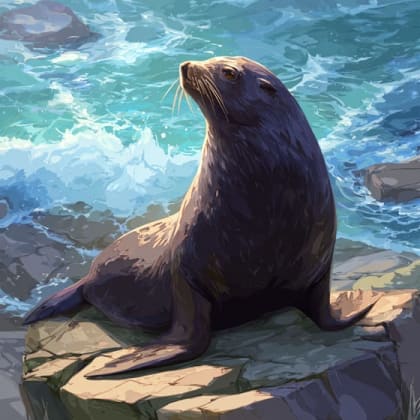
Sea Lion

Discover the world's largest marine mammal hospital, dedicated to saving ocean life.
Discover the world's largest marine mammal hospital, dedicated to saving ocean life. Perched dramatically in the Marin Headlands, just north of the Golden Gate Bridge, The Marine Mammal Center offers a unique and inspiring experience. This non-profit organization is at the forefront of marine mammal rescue, rehabilitation, scientific research, and education, passionately working towards a healthier ocean for both animals and humans. It provides a powerful, real-time look into the urgent needs of marine life and the dedicated efforts to protect it.
Visitors can observe firsthand the incredible work of animal care experts through viewing windows into the bustling Fish Kitchen, where meals are prepared, and the research laboratory, offering a glimpse into vital scientific studies. The heart of the visit lies in the patient pens, where California sea lions, Northern elephant seals, Pacific harbor seals, and sometimes even endangered Hawaiian monk seals or Guadalupe fur seals are nursed back to health. Each animal represents a story of resilience, often rescued from illness, injury, or malnourishment, with the ultimate goal of release back into their ocean home.
A visit to The Marine Mammal Center is more than just seeing animals; it's an educational journey that deepens understanding of marine ecosystems and the challenges they face. Engaging, interactive exhibits explain the health issues impacting marine mammals and empower visitors to become ocean stewards. It’s an unforgettable opportunity to connect with wildlife conservation efforts and leave with a renewed appreciation for the natural world and the critical role we all play in its protection. Wondering what that bird or insect is? Find out on your visit using the Snappit nature app.
The Marine Mammal Center was founded in 1975 by three local citizens: Lloyd Smalley, Pat Arrigoni, and Paul Maxwell. Since its inception, the center has grown to become a global leader in marine mammal health, science, and conservation, rescuing and rehabilitating over 28,000 marine mammals from distress. What began as a local effort has evolved into the world's largest marine mammal hospital, playing a crucial role in marine conservation along the California coast and beyond, including operations in Hawaii.
Witness the dedicated animal care experts in action, learn about individual patient stories, and discover how the center's research contributes to global ocean health. Participate in educational programs or take a "Behind the Scenes" tour for an immersive look at the hospital's operations.
Spring is often the season for young seal and sea lion pups. The center's website often provides updates on current patients, allowing you to see what species are currently undergoing rehabilitation.
The entire facility is ADA accessible, including an elevator in the courtyard for accessible viewing of the patient pens. Placard parking spaces are available directly in front of the center, and a wheelchair can be borrowed on-site on a first-come, first-served basis. Service animals are welcome in public areas but are not permitted to jump on fencing near patient pens due to disease transmission risks and stress to wild animals.
Observe recovering marine mammals like California sea lions, Northern elephant seals, and Pacific harbor seals from accessible viewing areas.
Watch volunteers and staff prepare meals for the patients, a critical part of their rehabilitation.
Peek into the laboratory to learn about the scientific studies conducted to understand marine mammal health and ocean ecosystems.
Explore engaging displays that educate visitors on marine mammal biology, conservation challenges, and the center's rescue efforts.
Each card links to a full Explore page with photos, traits, and fun facts.
Start with the big picture, then zoom in to explore individual wildlife observations around this place.
Reserve Tickets Online
Although admission is free, tickets must be booked online in advance to secure your visit.
Carpool if Possible
Parking at the center's hilltop location is limited, so carpooling is encouraged, with priority given to ADA needs.
Bring Snacks/Lunch
There are no restaurants on-site or in the immediate Marin Headlands area, but picnic tables with ocean views are available.
Consider a Guided Tour
For an enhanced experience and deeper understanding of the center's work, inquire about their guided tour options, including paid "Behind the Scenes" experiences.
Check for Current Patients
The specific animals you'll see in rehabilitation vary. Check the center's website for updates on current patients to know what species are currently in care.
Report Stranded Animals Responsibly
If you encounter a distressed marine mammal in the wild, do not approach it. Instead, call The Marine Mammal Center's rescue hotline for professional assistance.
Jun 6, 2026
Jun 6, 2026
Jun 6, 2026
Jun 5, 2026
Jun 5, 2026

Michigan, US
You might spot African Lion, Komodo Dragon, and Brown Bear.
View guide →
.jpg)
Municipal District of Cobh, IE
You might spot Ring-Tailed Lemur, Giraffes, and Cheetahs.
View guide →

Nouvelle-Aquitaine, FR
You might spot Greater Flamingo, Giraffes, and Red Panda.
View guide →

Texas, US
You might spot Giraffes, African Lion, and Eastern Black Rhinoceros.
View guide →
Take the discovery with you
Identify the wildlife you spot, learn as you go, and keep a collection of the adventure.










.jpg&width=800)











.jpg&width=800)